
Discover the best balance exercises for kids that build strength, boost coordination, and improve confidence through fun, simple activities.
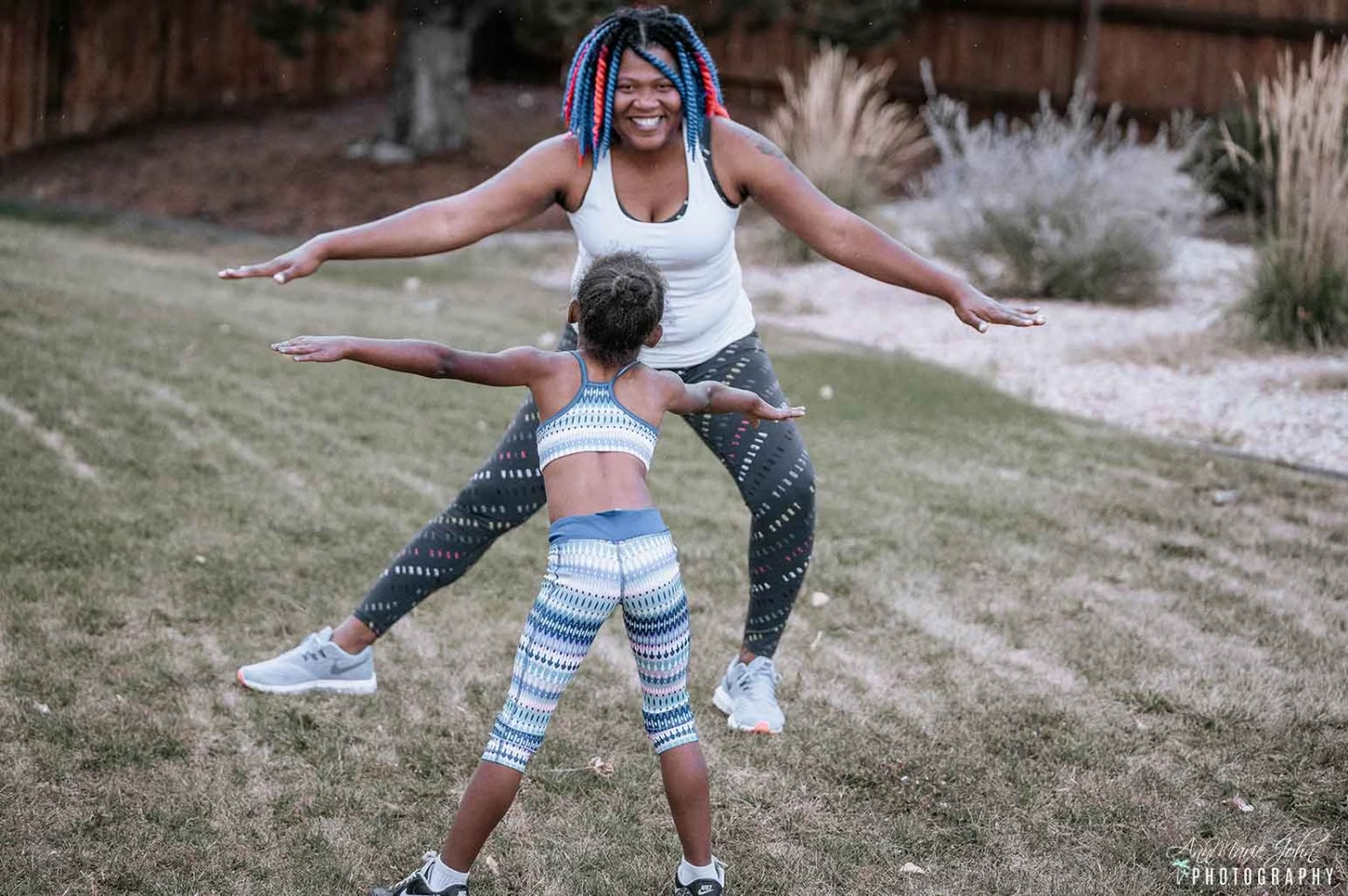
Helping kids develop strong balance skills plays an important role in building both their coordination and everyday confidence. The best balance exercises for kids can improve body awareness, stability, and self-assurance in ways that benefit them in play, sports, and daily life. When children are given the right activities and encouragement, they can improve their balance while having fun.
Balance training doesn’t need to be complicated or require special equipment. From standing on one leg and walking on uneven surfaces to fun balance-focused games, there are many ways to include engaging activities in a child’s daily routine. Practicing these skills regularly helps kids feel more in control of their movements and supports healthy development.
The content provided here is for informational purposes only and is not intended to diagnose or treat any medical condition. Always consult your healthcare provider before making any health decisions.
Key Takeaways
- Balance exercises build coordination and confidence in kids.
- Everyday activities can include simple balance activities.
- Developing balance skills supports healthy growth.
Fundamental Balance Exercises to Build Confidence and Coordination
Children develop coordination and boost confidence through activities that challenge their balance and motor skills. Practicing both static and dynamic movements helps improve body awareness, core strength, and hand-eye coordination in ways that are engaging and age-appropriate.
Static Balance Movements
Static balance focuses on holding a steady position, which is critical for developing control and awareness of body posture. Standing on one leg, trying the tree pose, or balancing on a balance beam are simple yet effective choices. These exercises activate core muscles and strengthen leg stability.
A popular activity is the tree pose, where children stand tall and place one foot on their opposite leg. This pose trains body control and focus. Using a homemade balance beam with tape on the floor allows kids to practice coordination skills safely indoors.
Dynamic Balance Activities
Dynamic balance activities require kids to move while controlling their bodies, building better spatial awareness and gross motor skills. Heel-to-toe walking or tightrope walking simulates crossing a thin line, which strengthens balance skills and core muscles. Games like hopscotch and crab walking further help enhance coordination and motor planning.
Obstacle courses are also excellent for dynamic balance. Children can crawl under tables, jump over soft objects, and weave around cones. These exercises combine fun with skill development and keep children motivated to improve balance and coordination. Try simple animal walks (bear walk, crab walk, frog jump) for variety. Each movement pattern works different muscle groups and challenges stability on uneven terrain.
Play-Based Balance Challenges
Play-based challenges encourage kids to develop balance and coordination while fully engaged in play. Games like the floor is lava or Twister encourage body awareness and quick decision-making. Sticker grab is another fun game, where children try picking up objects without losing balance.
Free-form activities such as freeze dance merge rhythm with quick posture changes. Using a balance board or navigating shifting surfaces keeps balance activities novel and interesting. These playful challenges help reinforce balance skills while boosting confidence and self-esteem. Children learn to react quickly, make adjustments, and persist through balance challenges in a supportive setting.
Incorporating Balance Exercises Into Everyday Life
Children develop balance and motor skills best when activities are woven into daily routines. Making balance exercises enjoyable and accessible helps build confidence and encourages healthy habits in both kids and families.
Fun Family Activities and Teamwork
Families can use simple balance activities to encourage teamwork and active participation. Obstacle courses in the backyard or living room are a great option—use pillows, chairs, or cones to create stepping, hopping, and balancing challenges for all ages. These games not only improve physical fitness but also teach children how to navigate different environments.
Playing games like catch, juggling, or even a team-based relay can foster cooperation and coordination. For example, parents and kids can try balancing beanbags on their heads while passing objects to each other. Even everyday activities, such as bike riding together, help everyone practice balance while building confidence side by side. Try organizing weekly family balance challenges. This could include who can stand on one leg the longest or who can walk a balance beam the slowest. Such activities strengthen core muscles and demonstrate that fitness and teamwork can go hand in hand.
Integrating Balance Skills with Play and Learning
Balance skills can be blended with daily play and learning at home or at school. Encourage children to use playground equipment like balance beams, climbing frames, and stepping stones to enhance their coordination and stability. These activities support growth in both gross and fine motor skills.
Incorporate balancing into learning games, such as standing on one foot while reciting spelling words or hopping through number grids during math practice. Simple movement breaks between lessons can include balance poses, yoga stretches, or slow-motion walking for improved focus and body awareness.
In Conclusion
Regular balance exercises help children develop coordination, build strength, and support everyday movement skills. Activities like balance beams, hopping, and yoga poses are practical ways to meet these goals, especially when included in daily play or routines. Practicing balance is linked to greater confidence and participation in physical activities.
