
Discover the early signs of speech delay in children and understand how quick intervention can make a difference.

Every parent wants their child to develop strong communication skills, but speech and language delays can sometimes interfere with that process. Warning signs that require immediate attention include a child not babbling by 12 months, not using single words by 16 months, or suddenly losing language skills. Noticing these signs early can really shape how your child communicates in the future.
Seeking guidance from a speech-language pathologist is advised if these delays are present, as prompt intervention may prevent further challenges. For information on strategies and support, click here to read the guide to kids’ speech therapy, which provides valuable insight into treatment options.
The information here is not intended as a substitute for professional medical diagnosis or treatment. Always seek the advice of your healthcare provider with any medical questions.
Key Takeaways
- Early signs like lack of babbling or sudden language loss need urgent attention.
- Immediate professional consultation is advised when these signs appear.
- Evidence-based guides help parents support children with speech delays.
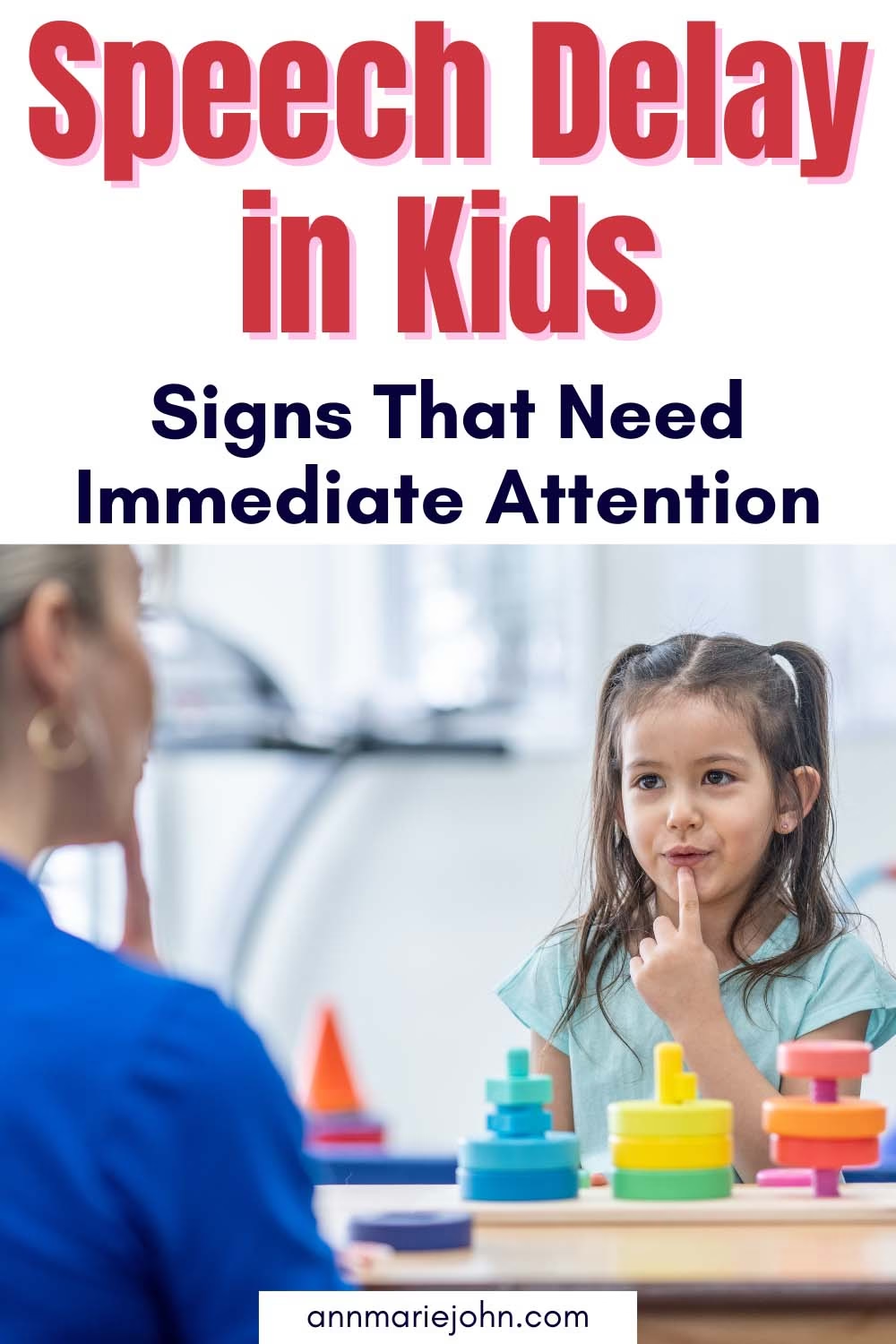
Recognizing Urgent Early Signs of Speech Delay
Identifying specific, urgent signs of speech delay in children can help ensure early intervention. Parents and caregivers should watch for communication patterns or the absence of key behaviors that might indicate a more significant language or developmental concern.
Absence of Babbling, Cooing, or Gestures
Babbling and cooing typically begin as early as 4 to 7 months, and gestures such as pointing, waving, or reaching often emerge by 12 months. Failure to show these basic forms of communication may signal an underlying speech or language delay. For instance, a child who does not use gestures to communicate wants or does not respond with sounds during interactions warrants close monitoring.
In addition to vocalizations, children should attempt to imitate sounds and movements from caregivers. Lack of shared attention, minimal use of gestures, or poor eye contact may also suggest broader social or language challenges. According to pediatric guidelines and developmental experts, this pattern can be an indication of more than just a delay, especially if the absence is persistent. Timely evaluation by a speech-language pathologist is recommended if these foundational milestones are missed or not progressing as expected.
Lack of First Words and Limited Vocabulary
Most children say their first word by 12 to 15 months and typically have a vocabulary of about 10 words by 18 months. If a toddler is not saying single words or only uses a very limited vocabulary compared to peers, it may be a strong indicator of a speech and language delay. Children should display growth in vocabulary, learning new words and concepts with regular exposure.
Limited vocabulary may also present as difficulty recognizing familiar people or objects by name or struggling to label everyday items. Parents might notice that communication consists mostly of sounds or grunts. Consistent failure in achieving these language milestones, especially in the presence of normal hearing and cognitive development, suggests the need for further assessment. More detailed lists of early speech delay signs can help differentiate between a late talker and a true developmental concern.
Failure to Combine Words or Form Short Sentences
By age 2, most children begin to put two words together, such as “more juice” or “mama help.” Absence of any word combinations or inability to form short sentences by this age can reflect underlying challenges with expressive language. This is important because combining words shows that a child understands relationships between words and can express more complex ideas.
Children who remain at a single-word stage well past their second birthday or struggle to form short, simple sentences are showing signs that deserve prompt attention. Difficulties in stringing words together may coincide with communication challenges in social situations, including limited ability to express wants or share information.
Causes, Diagnosis, and When to Seek Immediate Help
Speech and language delays may stem from a variety of underlying biological, developmental, and environmental factors. Early detection and intervention can dramatically improve developmental outcomes and provide families with structured approaches to address concerns.
Underlying Causes of Speech and Language Delays
Many potential causes contribute to speech delays. Hearing loss—temporary or permanent—is a common culprit, as children who cannot hear well may struggle to mimic sounds and words. Direct assessment of hearing is typically a first step when delays are suspected.
Developmental disorders such as autism spectrum disorder, intellectual disability, and cerebral palsy can also be underlying factors. Childhood apraxia of speech and oral-motor problems affect a child’s ability to physically produce speech. Issues with muscle coordination, including dysarthria or stuttering, may be involved. Auditory processing disorder interferes with how the brain interprets sound, affecting language development. Some children with traumatic brain injury or chronic medical conditions are also at increased risk.
The Importance of Early Intervention and Screening
Early intervention is essential for children with speech and language delays. Timely developmental screening by a pediatrician or a qualified specialist helps to identify concerns at the earliest stage. Indicators that warrant immediate help include a child not babbling by 12 months, not using single words by 16 months, or not forming two-word combinations by age 2. Failure to follow simple directions or regression of language skills are also red flags and require urgent evaluation.
Routine pediatric visits often include speech and hearing checks, but parents should seek prompt evaluation if they observe warning signs. Access to speech therapy and reading books regularly can foster vocabulary development and improve outcomes for a child. Structured activities that emphasize following directions and forming sentences are especially beneficial in both home and clinical settings.
Conclusion
Recognizing early signs of speech delay and acting promptly can make a significant difference in a child’s development. Immediate attention is recommended when delays are paired with limited social engagement, lack of interest in communication, or repetitive behaviors.
Timely consultation with a speech-language pathologist provides clarity and support for both families and children. Monitoring speech and language milestones and addressing concerns early helps ensure the best possible outcomes.
