
Discover simple ways to create a fun and productive after-school routine that helps kids relax, learn, play, and prepare for tomorrow.
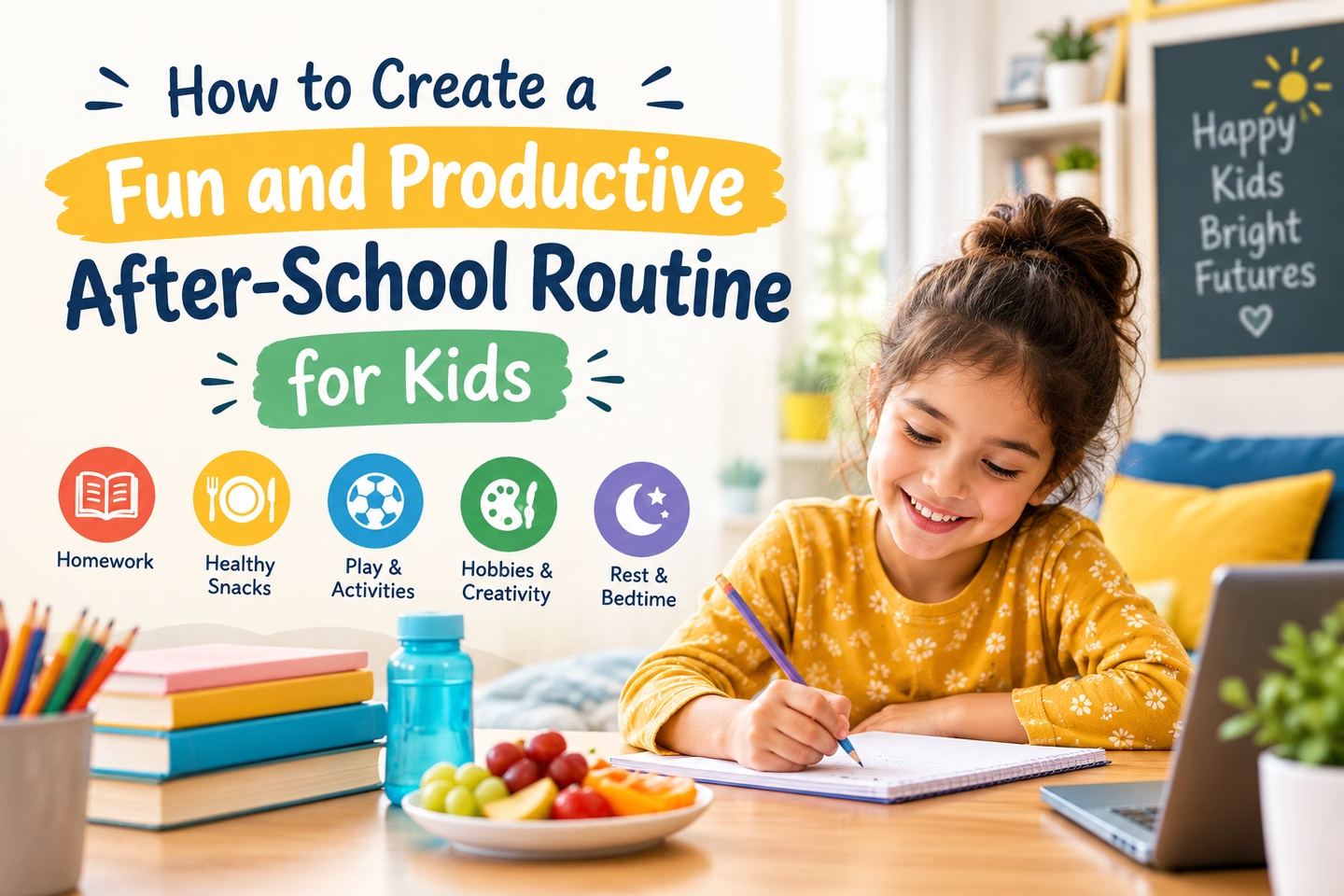
After a busy school day, children need time to relax, recharge, and enjoy themselves. However, having a simple after-school routine can help them balance homework, playtime, family time, and other daily activities without feeling overwhelmed. A well-planned routine also teaches children important habits such as responsibility, time management, and organization.
The key is not to fill every minute with tasks. Instead, parents can create a flexible routine that combines productivity with activities children genuinely enjoy. Here are some practical ways to create a fun and productive after-school routine for kids.
1. Give Kids Time to Relax
The first part of an after-school routine should be a short break. Children may feel tired after spending several hours in classrooms, following instructions, and completing schoolwork.
Allow them some time to change clothes, have a snack, drink water, and relax. This break allows them to transition from school mode to home activities.
Parents should avoid immediately asking children to start homework as soon as they walk through the door. A little downtime can help them feel more prepared for the rest of the afternoon.
2. Offer a Healthy Snack
A nutritious snack can help children regain energy after school. Instead of relying heavily on processed snacks, parents can offer simple options such as fruit, yogurt, sandwiches, nuts where appropriate, or homemade snacks.
Making snack time enjoyable can also become part of the routine. Parents can occasionally allow children to help prepare their snacks, which can introduce them to basic kitchen skills and encourage healthier food choices.
3. Set a Consistent Homework Time
Once children have had enough time to relax and eat, establish a regular homework period. A consistent schedule makes it easier for children to understand when it is time to focus.
Create a quiet and comfortable study area away from unnecessary distractions. Keep school supplies, notebooks, and other essentials nearby so children do not have to repeatedly leave their workspace.
The homework period does not need to feel overly strict. Parents can encourage children to take short breaks when necessary, especially if they have several assignments to complete.
4. Make Learning More Enjoyable
Learning does not have to stop when homework is finished. Parents can introduce simple educational activities that match their child’s interests.
Reading is one of the easiest ways to make learning enjoyable. Children can choose books based on their age and interests, whether they enjoy adventure, animals, science, fantasy, or everyday stories. Reading short stories for kids can also become a relaxing activity before dinner or bedtime.
Parents can also use puzzles, drawing, educational games, simple experiments, or creative writing to make learning feel less like another school assignment.
5. Include Plenty of Playtime
Play is an important part of childhood, so an after-school routine should leave enough room for fun. Children can play indoors or outdoors depending on the weather and available space.
Outdoor activities such as cycling, walking, playing football, or simply spending time in a park can encourage physical activity. Indoor options might include building blocks, board games, drawing, crafts, or imaginative play.
Parents do not need to organize every activity. Giving children some freedom to decide how they want to play can encourage creativity and independence.
6. Encourage Small Responsibilities
An after-school routine is also a good opportunity to teach children responsibility. Simple household tasks can be included without making the routine feel like a list of chores.
Depending on their age, children can put away their school bags, organize their study materials, tidy their rooms, water plants, or help set the dinner table.
These small responsibilities teach children that maintaining a home is a shared effort. They can also help children become more organized in other areas of their lives.
7. Create Family Time
Busy schedules can sometimes reduce meaningful family interaction. Setting aside a little time in the evening can help parents and children reconnect after a busy day.
Family time could involve having dinner together, talking about the school day, playing a board game, taking a short walk, or simply discussing something interesting.
Parents can ask open-ended questions rather than only asking whether their child completed their homework. Questions such as “What was the most interesting thing you learned today?” can encourage children to share their experiences.
8. Set Healthy Screen-Time Boundaries
Screens can easily become a major part of a child’s after-school routine. While technology can provide entertainment and educational opportunities, unlimited screen use can make it harder for children to focus on other activities.
Parents can establish clear screen-time boundaries that fit the family’s schedule. For example, children might complete homework, physical activity, and other responsibilities before using entertainment devices.
The goal should be balance rather than eliminating technology. Children can learn to enjoy digital entertainment while also making time for reading, hobbies, exercise, and family interaction.
9. Prepare for the Next School Day
A few minutes of preparation in the evening can make the following morning much easier. Encourage children to check their school timetable, organize their bags, prepare necessary books, and choose their clothes if appropriate.
Older children can gradually take responsibility for these tasks themselves. This helps them develop planning and organizational skills instead of depending entirely on parents.
A simple checklist can make this process easier, especially for children who often forget school materials.
10. End the Day With a Calm Bedtime Routine
The final part of the after-school routine should help children slow down and prepare for sleep. Avoid filling the evening with too many demanding activities.
A calm bedtime routine might include taking a bath, putting away toys, reading, talking with parents, or preparing for the next day. Keeping bedtime relatively consistent can also help children understand when it is time to wind down.
Parents should remember that children have different energy levels, personalities, and needs. A routine that works perfectly for one child may not work for another.
Keep the Routine Flexible
The best after-school routine is one that provides structure without becoming stressful. Unexpected events, family activities, school projects, and children’s changing needs may require adjustments.
Parents can involve children in creating their schedules. Allowing them to choose between certain activities can give them a sense of control while still maintaining important responsibilities.
For example, a child might choose whether to play outside before or after completing homework. Small choices like these can make the routine feel more enjoyable.
In Conclusion
Creating a fun and productive after-school routine for kids is about finding the right balance between responsibility and relaxation. Children need time for homework and organization, but they also need play, creativity, family interaction, and adequate rest.
By establishing consistent habits, encouraging independence, limiting distractions, and leaving room for flexibility, parents can create an afternoon routine that supports children’s development without making them feel overwhelmed. Most importantly, the routine should work for the individual child and the family, making everyday life more organized while still leaving plenty of space for childhood fun.
