
Learn how to protect children from dangerous products at home and reduce the risk of injuries from faulty items.
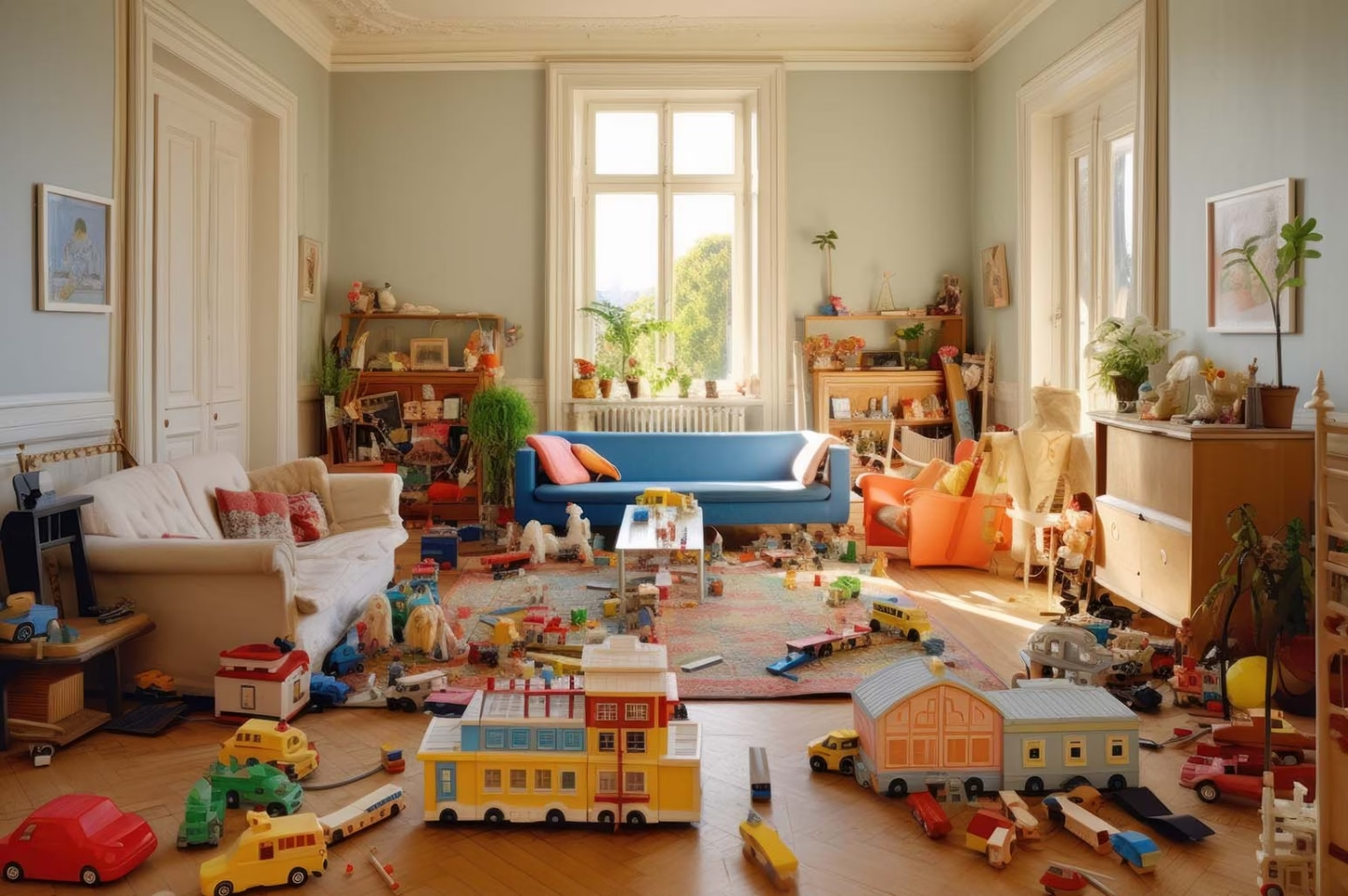
Every parent knows the feeling of scanning a room to spot potential hazards. We cover outlets, gate off stairs, and hide cleaning supplies. Yet, some of the biggest threats to our kids come from the very products we buy to keep them safe, comfortable, or entertained. Defective toys, unstable furniture, and poorly designed gear cause thousands of preventable injuries every single year.
When a manufacturing defect or lack of warning results in a severe injury, families often consult a lawyer handling negligence lawsuits to understand their rights and hold companies accountable. However, prevention is always the best strategy. By changing how you purchase, monitor, and maintain household items, you can drastically reduce the risk of a dangerous product harming your child.
1. Audit Your Furniture and Secure the Heavy Stuff
We often think of defective products as small toys like Legos or marbles that serve as choking hazards. But some of the most dangerous items in any home are large, unstable pieces of furniture. Examples are:
- Dressers
- Bookshelves
- Flat-screen TVs (esp on a shelf)
- Free-standing mirrors
These can tip over in a second if a child tries to climb them. Many manufacturers sell furniture that is inherently top-heavy or lacks proper stability testing, making them accidents waiting to happen.
To protect your kids, you need to conduct a thorough walkthrough of your home. Do not assume a heavy dresser is safe just because it feels solid to you. A toddler pulling out multiple drawers to use as stairs can easily shift the center of gravity. Invest in high-quality furniture anchoring kits. These are inexpensive, easy to install, and attach the piece directly to the wall studs.
Additionally, keep heavier items on the bottom shelves and never place tempting items, like toys or remote controls, on top of tall furniture, where kids might climb up to reach them.
2. Decode the Toy Box and Verify Age Ratings
It is easy to look at a toy and think it seems fine for your toddler, even if the box says it is meant for older kids. This is a trap that many parents fall into. It is especially true for parents with multi-age kids. When a younger child wants to play with an older sibling’s things, it is hard to say no.
It’s important to remember that age ratings on toys are not just suggestions about a child’s intelligence or skill level. Instead, they are vital safety guidelines based on developmental abilities and specific choking hazards.
Defective toys often break apart far more easily than they should. Examples of things to watch out for are:
- Small plastic parts
- Poorly secured buttons
- Tiny disc magnets
All of these become lethal if swallowed. High-powered magnets are especially dangerous because they can attract each other through intestinal walls and cause severe internal damage.
Get into the habit of inspecting your kids’ toys during cleanup time. Check for loose seams on stuffed animals, cracked plastic on electronic toys, and peeling paint. If a toy is damaged or seems flimsy, throw it away immediately rather than trying to fix it with tape or glue.
3. Register Every Single Baby Product Right Away
When you buy a new stroller, crib, high chair, or car seat, it usually comes with a small product registration card. And the sad part is, most people immediately toss them into the recycling bin. Skipping this step is a major mistake. Manufacturers are legally required to notify consumers if a product is recalled due to safety defects, but they cannot reach you if they do not have your contact information.
Taking two minutes to fill out that card or register the product online connects your email directly to that specific model number. If a defect is discovered later, you will be among the first to know.
If you bought items secondhand or forgot to register them, you can still protect your family by checking online databases regularly. Websites like SaferProducts.gov allow you to search for specific items and read complaints filed by other parents. It is a smart habit to check these databases every few months to ensure the gear you rely on every day has not been flagged for hidden dangers.
In Conclusion
No parent should ever have to deal with the heartbreak of a child getting hurt by an item that was supposed to be safe. While we expect corporations to test what they sell thoroughly, the reality is that dangerous items still make it onto store shelves. If the worst happens and a defective item causes harm, reaching out to a lawyer handling negligence lawsuits can help your family seek justice and force companies to fix their mistakes. Ultimately, staying informed and being proactive is your best defense. Safe habits allow you to create a truly secure environment where your children can play and grow without unnecessary risk.
