
Discover essential things to look for in kitchen remodels that enhance function and aesthetics while increasing home value.
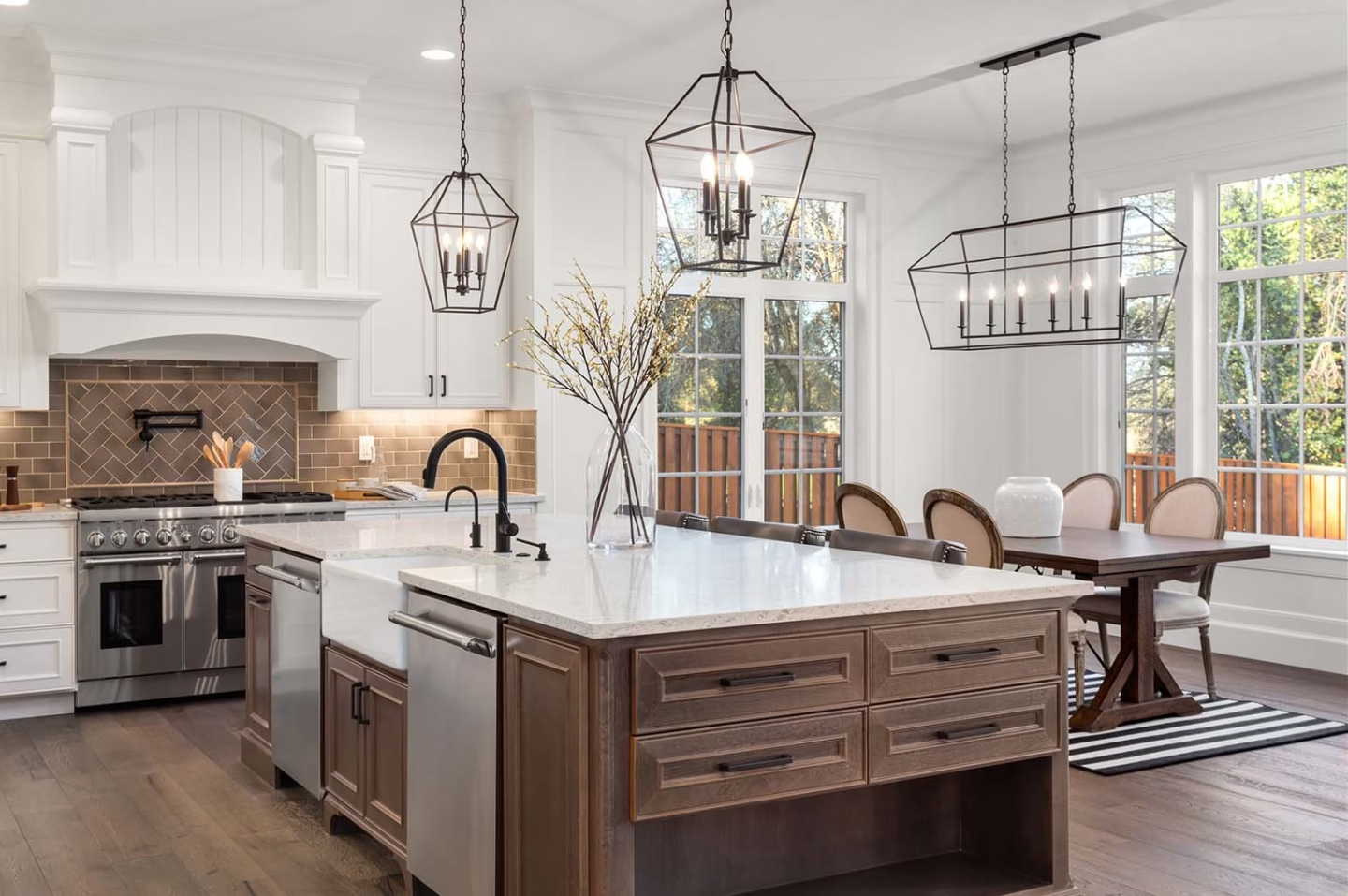
A kitchen remodel is one of the most impactful home improvement projects a homeowner can undertake. It combines function with aesthetics, and when done right, it can dramatically increase both the livability of your home and its market value. According to Remodeling Magazine’s Cost vs. Value Report, a minor kitchen remodel recoups around 96% of its cost at resale, making it one of the highest-returning renovations available. But jumping into a remodel without a clear plan can lead to budget overruns, poor design decisions, and lasting regret. Knowing what to look for before you begin is the difference between a dream kitchen and a costly mistake.
Define Your Goals Before Anything Else
Before you meet with a contractor or browse countertop samples, you need to establish what you actually want from the remodel. Are you trying to improve storage? Upgrade appliances? Create an open-concept flow into the living room? Or is this primarily about aesthetics — refreshing a dated kitchen to feel modern and bright?
Your goals will directly influence your budget, your timeline, and the professionals you hire. A full gut renovation, where walls come down and everything is replaced, is a fundamentally different project than a cosmetic refresh that keeps the layout intact. Knowing which category your project falls into will help you avoid being upsold on services you don’t need or, conversely, cutting corners that matter.
Set a Realistic Budget — and Add a Buffer
Kitchen remodels vary enormously in cost. A mid-range kitchen remodel costs an average of $26,000 to $40,000, while upscale renovations can easily exceed $75,000 or more depending on the size of the space and the finishes chosen. One of the most common mistakes homeowners make is setting a budget without factoring in contingencies. Industry professionals consistently recommend keeping a 10 to 20 percent buffer for unexpected costs — things like discovering water damage behind walls, outdated wiring that needs upgrading, or structural issues hidden beneath flooring.
Be honest with yourself about what you can afford, and prioritize accordingly. In many cases, strategic updates deliver tremendous visual impact without requiring a full overhaul. For instance, kitchen cabinet refacing near San Diego is a popular option for homeowners living in the area, who want the look of brand-new cabinetry without the expense of tearing everything out and starting from scratch. Approaches like this can free up budget for higher-priority upgrades like appliances or countertops.
Choose the Right Layout for How You Actually Cook
Kitchen layout is foundational. The most efficient kitchens are built around what designers call the “work triangle” — the relationship between the sink, stove, and refrigerator. These three points should form a triangle with no single side shorter than four feet or longer than nine feet, minimizing the steps a cook takes while preparing a meal.
Common kitchen layouts include the galley, L-shaped, U-shaped, and open-plan configurations. Each works better for different household sizes and cooking habits. A galley kitchen is highly efficient for a single cook but can feel cramped with multiple people. An open-plan layout suits families who gather in the kitchen but may sacrifice storage. Before finalizing your layout, spend time thinking honestly about how your household uses the kitchen daily.
Pay Close Attention to Cabinetry and Storage
Cabinetry typically accounts for 25 to 35 percent of a total kitchen remodel budget, making it the single largest line item in most projects. Because of this, the decisions you make about cabinets — material, finish, configuration, and hardware — will significantly shape both the look and the cost of your renovation.
Full custom cabinetry offers the most design flexibility but comes at a premium price. Semi-custom options strike a balance between personalization and cost, while stock cabinets are the most affordable and quickest to install. Regardless of which route you choose, focus on interior organization features like pull-out shelves, deep drawers for pots and pans, and built-in dividers. Beautiful cabinetry that lacks smart storage will frustrate you every day.
Countertops: Balancing Aesthetics with Durability
Countertops are the visual centerpiece of most kitchens and take serious daily abuse. The material you choose needs to balance beauty with practicality. Quartz remains the most popular countertop material among remodeling homeowners — it is non-porous, highly durable, and available in a wide range of colors and patterns. Natural stone options like granite and marble offer unmatched character but require periodic sealing and are more prone to staining.
Butcher block adds warmth and works well in farmhouse or transitional kitchens but needs regular oiling and is vulnerable to water damage near sinks. Concrete countertops are trending for modern and industrial aesthetics but can crack over time. Whatever material you select, ensure it complements your cabinetry, flooring, and backsplash rather than competing with them.
Lighting Is Often Overlooked But Critically Important
Many homeowners treat kitchen lighting as an afterthought, but it plays an essential role in both functionality and ambiance. A well-lit kitchen requires three layers: ambient lighting for overall illumination, task lighting directly over work surfaces, and accent lighting to highlight design features. Under-cabinet LED strips are an affordable and highly effective form of task lighting that can transform how functional a kitchen feels.
Natural light should also be maximized wherever possible. If your budget allows, enlarging a window or adding a skylight over the kitchen can make even a modest space feel open and inviting.
Hiring the Right Contractor Makes or Breaks the Project
Even the best design will fall apart with poor execution. Vet contractors thoroughly — check licenses, request references, and review portfolios of completed kitchen projects specifically. Get at least three bids, and be wary of estimates that come in dramatically lower than the others. In remodeling, unusually low bids often reflect cut corners, unlicensed labor, or missing scope.
A well-planned kitchen remodel, approached with clear priorities and the right team, delivers returns that go far beyond property value — it transforms the daily experience of living in your home.
