
For many homeowners, the basement is the most underused part of the house. It becomes a convenient place for seasonal decorations, old furniture, and belongings that rarely see daylight. Meanwhile, the family struggles to find enough room upstairs for work, entertainment, exercise, and everyday activities.
A thoughtfully designed basement can solve several of these problems without requiring a home addition. Depending on its size, condition, and layout, the space could accommodate a comfortable family retreat, a productive office, or multiple activity zones.
The key is to approach basement improvements strategically. Instead of filling the space with attractive furniture and hoping everything works, homeowners should consider how they want to use it, what structural improvements are necessary, and how the design can remain useful as their needs change.
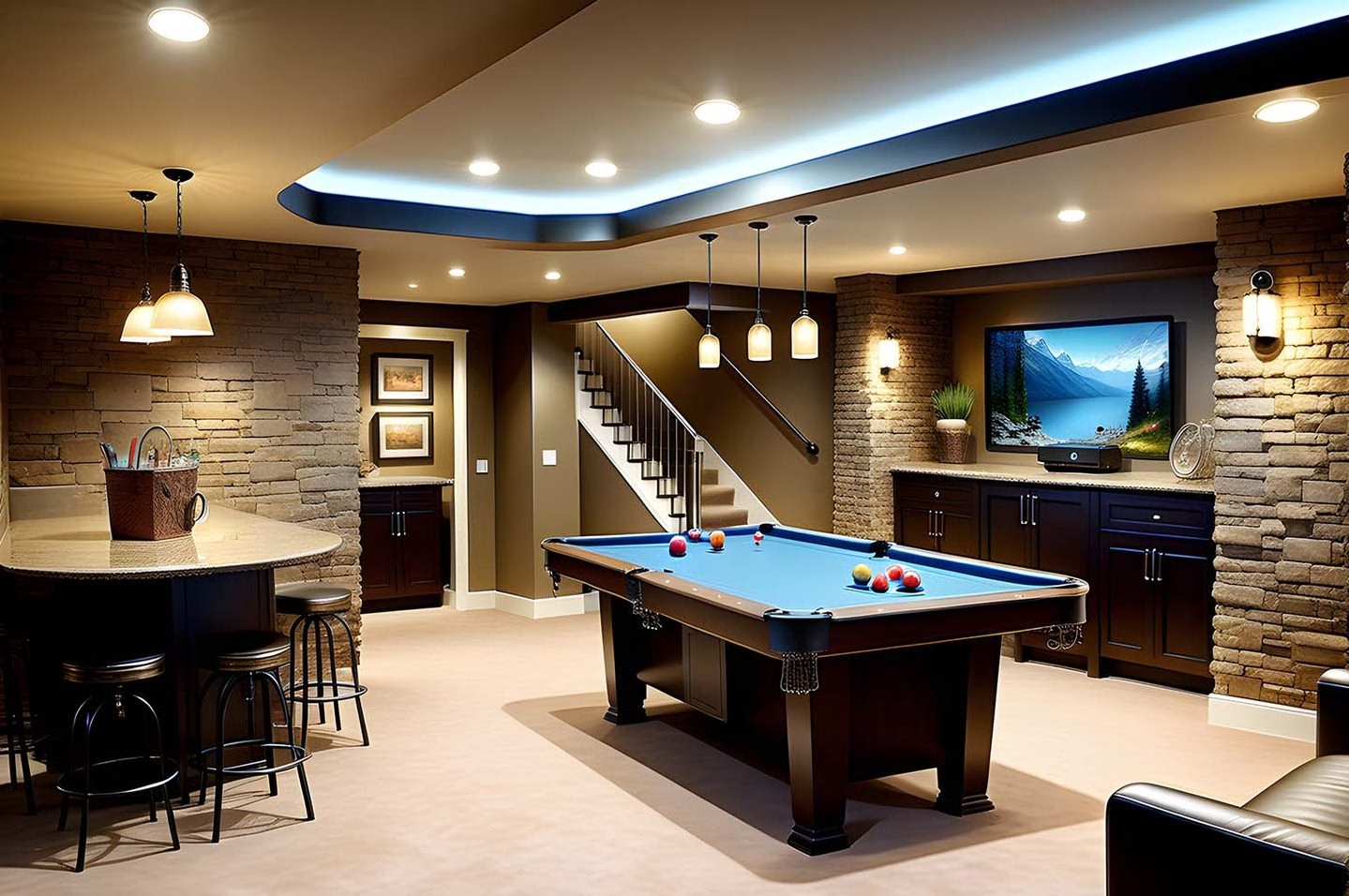
Start With a Finishing Plan That Supports Everyday Living
Before choosing paint colors or furniture, homeowners should evaluate whether their basement is suitable for regular occupancy. Moisture, insulation, ventilation, ceiling height, and electrical capacity can influence what the space can safely accommodate.
A basement that feels dry during summer may develop moisture problems during wetter months. Addressing these conditions before installing flooring and finished walls helps protect the investment.
Professional remodeling assistance can be particularly useful when a project involves several structural and design considerations. Matrix Basement Finishing provides basement remodeling services in Michigan, helping homeowners transform unfinished lower levels into functional living spaces. Its services include basement design, construction, and finishing for spaces such as family rooms, home theaters, and offices.
Homeowners considering similar improvements can visit Matrix Basement Finishing to learn more about their services and explore possibilities for their own properties.
An effective plan should also account for building permits, emergency exits, and local residential codes. Establishing these requirements early can prevent expensive changes once construction begins.
Create a Family Lounge That Doesn’t Feel Like a Second Living Room
A basement family lounge offers a place for activities that might otherwise compete for space upstairs. Movie nights, board games, casual conversations, and children’s activities can happen without disrupting quieter areas of the house.
However, copying the main living room’s layout may not make the best use of the basement.
Consider furniture that accommodates different activities. Modular seating can be rearranged for gatherings, while storage ottomans provide convenient places for blankets, games, and accessories.
Lighting deserves particular attention because basements often receive limited natural light. Combining ceiling fixtures, wall lighting, and adjustable lamps can make the room feel comfortable throughout the day.
Durable upholstery and easy-to-clean surfaces are practical choices for spaces used frequently by children and guests.
Build a Home Office With Fewer Distractions
Remote and hybrid work arrangements have increased the value of having a dedicated workspace at home. A basement office can provide separation from household activities, especially when bedrooms and dining areas already serve multiple purposes.
Position the desk where lighting is comfortable and computer screens remain free from glare.
Reliable internet connectivity, adequate electrical outlets, and ventilation should be considered before arranging furniture.
Sound management is another important factor. Insulated walls, solid doors, rugs, and soft furnishings can help reduce distractions from other parts of the house.
If the basement also contains entertainment areas, separate the office with a partition or enclosed room.
A successful workspace should support concentration without making employees feel isolated in a dark or uncomfortable environment.
Design an Entertainment Area Around How You Actually Relax
Basements can accommodate home theaters, gaming areas, music rooms, and other recreational spaces. However, homeowners should choose features based on their interests rather than popular renovation trends.
A dedicated movie room might benefit from controlled lighting, comfortable seating, and thoughtful speaker placement.
A gaming area may require additional electrical outlets, organized cable management, and sufficient ventilation for electronic equipment.
Those who enjoy hosting friends could create a casual gathering space with a small refreshment station and flexible seating.
Acoustics matter because sound can travel through floors and stairwells. Rugs, upholstered furniture, and appropriate insulation may help reduce disturbances.
The best entertainment area is one that receives regular use, not one filled with expensive equipment that rarely leaves standby mode.
Turn One Large Basement Into Several Functional Zones
An open basement doesn’t necessarily need permanent walls to support different activities.
Strategic furniture placement, area rugs, lighting, and shelving can define separate zones while preserving an open atmosphere.
For example, one side might contain a television lounge, while another accommodates a compact exercise area or children’s play space.
Storage cabinets can serve as visual dividers without making the basement feel cramped.
Traffic flow should remain a priority. Homeowners need clear pathways between stairs, doors, utility equipment, and emergency exits.
Avoid placing bulky furniture where it obstructs access to electrical panels, plumbing fixtures, or maintenance areas.
Flexible zoning also allows the space to change as family circumstances evolve, reducing the need for repeated renovations.
Make Basement Storage More Organized and Accessible
Finishing a basement doesn’t mean sacrificing all its storage capacity. In fact, better storage design can make the entire home easier to manage.
Built-in cabinets, wall-mounted shelving, and concealed compartments help keep everyday items accessible without creating clutter.
Frequently used belongings should remain within easy reach, while seasonal decorations and occasional-use equipment can occupy higher or less prominent storage areas.
Choose storage materials appropriate for basement conditions. Items vulnerable to moisture should be protected, and cardboard boxes are generally less durable than sealed containers.
Labeling bins and grouping belongings by category can save time when retrieving stored items.
Most importantly, storage should support the basement’s primary purpose rather than gradually taking over every available corner.
Add Comfort Through Better Flooring, Lighting, and Temperature Control
Basements sometimes feel less inviting because they are colder, darker, or more humid than the rooms above them.
Finishing materials should be selected with these conditions in mind.
Moisture-resistant flooring options may be preferable to materials that deteriorate easily when exposed to dampness. Appropriate insulation can improve comfort and help maintain more consistent temperatures.
Lighting should include different sources rather than relying entirely on a few bright ceiling fixtures.
Warm, layered illumination can make recreational areas feel welcoming, while task lighting supports offices and hobby spaces.
Ventilation and humidity control are equally important. A comfortable basement requires attention to indoor air quality, not simply attractive finishes.
Plan for Future Needs Instead of Just Today’s Priorities
A basement renovation represents a substantial investment, so homeowners should consider how the space might be used several years from now.
A children’s playroom may eventually become a study area, while a home office could later serve as a hobby room or guest accommodation.
Neutral finishes, adaptable furniture, and accessible electrical connections make these transitions easier.
If future plans include a bedroom or bathroom, consider the necessary plumbing, ventilation, and code requirements during the initial design.
Homeowners should also establish a realistic budget that includes contingency funds for unexpected repairs.
Ultimately, getting the most out of a basement means creating space that improves everyday life. Thoughtful planning, durable materials, and adaptable design can transform an overlooked lower level into one of the home’s most valuable living areas.
