
Explore how to build a successful career in healthcare by mastering essential skills for today’s dynamic industry.

Healthcare is undergoing rapid transformation, driven by new technologies and shifting patient expectations. Professionals who wish to thrive in this dynamic field must proactively cultivate a variety of essential skills. From technological fluency to adaptability in challenging circumstances, readiness to master these areas will help ensure a successful healthcare career for years to come. For those looking to advance, nursing online programs can be a valuable starting point, equipping learners with up-to-date skills and credentials.
Remaining competitive requires not only technical know-how but also the soft skills to collaborate efficiently and pivot in the face of unexpected hurdles. Lifelong education and continuous self-improvement are becoming the gold standard for healthcare professionals. By integrating these strategies into your career development, you can stand out as a leader who is prepared for future industry shifts. In this guide, we outline indispensable skills and practical approaches to keep your healthcare career resilient and relevant.
Digital Literacy
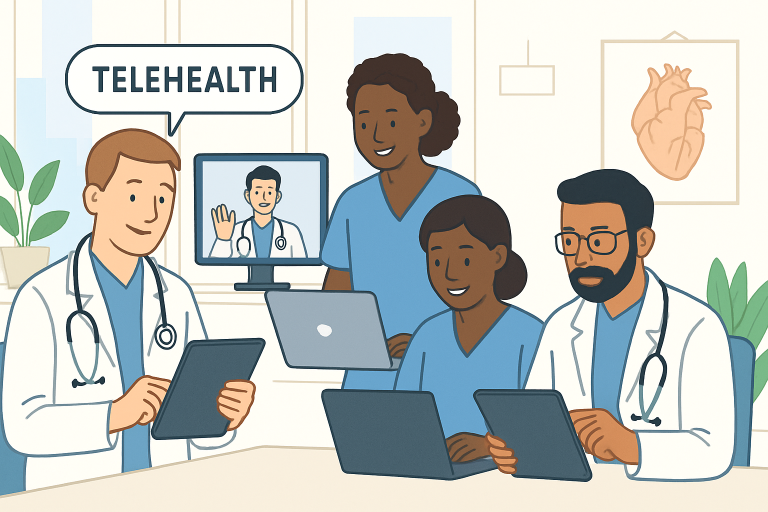
Modern healthcare relies heavily on digital systems, including electronic health records (EHRs), telemedicine platforms, and patient monitoring devices. A strong level of digital literacy empowers practitioners to provide higher-quality care and operate more efficiently. According to the American Hospital Association, the use of telehealth services has expanded in recent years, with over three-quarters of U.S. hospitals now using these tools, and even more expected to follow suit.
Mastering new technologies and becoming comfortable with digital platforms will enable healthcare professionals to meet the growing demand for remote and virtual care. Staying on top of these trends ensures relevance in the field and opens the door to emerging career paths across clinical and administrative roles. Resources such as HealthIT.gov offer further reading on the latest healthcare technology standards and best practices.
Data Analysis
Data is transforming how healthcare decisions are made. The ability to gather, interpret, and analyze large datasets enables practitioners to tailor treatments and improve overall outcomes. Skills in data analysis are valuable not only for clinical decision-making but also for identifying patterns that can lead to preventive strategies, resource optimization, and operational improvements.
As noted by a study on healthcare analytics, the healthcare sector is rapidly embracing a data-driven approach that reduces bias and fosters transparency. Professionals equipped with these analytical abilities are better positioned to influence positive changes, streamline patient care, and support healthcare organizations in adapting to regulatory requirements.
Adaptability and Resilience
The pace of change in healthcare demands that professionals remain resilient and flexible, quickly responding to innovation and unexpected challenges. Adaptability goes beyond technical skills. It also relies on a mindset that turns setbacks into opportunities for learning and advancement. A supportive, engaged workplace environment is crucial to nurturing these qualities.
According to Becker’s Hospital Review, leading healthcare organizations emphasize the importance of fostering a positive, adaptive work culture. Institutions and teams benefit when professionals feel supported during transitions or stress, leading to improved retention and employee satisfaction.
Critical Thinking and Problem-Solving
Complex and often urgent situations are routine in healthcare. The ability to assess scenarios objectively, weigh risks, and arrive at effective solutions is non-negotiable. Nurses, doctors, and allied health professionals are increasingly called on to address multifaceted patient needs, ethical dilemmas, and emergent public health crises.
Training in simulated real-world situations, ongoing education, and collaborative case review can foster stronger critical thinking. As the industry becomes more complex, those who continuously refine these skills will deliver higher-quality care and take on leadership roles more quickly.
Cybersecurity Awareness
Digitization has introduced new vulnerabilities to patient privacy and organizational security. Understanding basic principles of cybersecurity and following protocols is no longer optional. Ensuring the confidentiality, integrity, and accessibility of sensitive health data protects not only patients but also healthcare institutions from reputational and financial harm.
Cybersecurity awareness begins with routine training on avoiding phishing attempts, managing passwords safely, and knowing whom to contact in the event of a suspected breach. Practical adherence to cybersecurity best practices fosters a culture in which everyone takes responsibility for data safety.
Remote Collaboration Skills
Collaboration across different locations is now a standard aspect of healthcare delivery. From telehealth appointments to multi-site clinical teams, professionals must learn to communicate and coordinate care virtually. Proficiency with platforms such as Zoom, Microsoft Teams, and Slack enables high standards of care regardless of where patients or colleagues are located.
Effective virtual teamwork depends on clear communication protocols and regular check-ins. Establishing guidelines for information-sharing, decision-making, and conflict resolution can help distributed teams remain cohesive and productive even outside traditional clinical settings.
Lifelong Learning
Keeping pace with advancements in treatment, technology, and regulatory requirements necessitates a commitment to lifelong education. Pursuing ongoing professional development through university courses, online certifications, industry workshops, and medical conferences can help maintain expertise and credibility.
According to Forbes, continuous learning has become essential for achieving long-term growth and adaptability. Embracing new knowledge, updating credentials, and seeking mentorship opportunities are key strategies for navigating career challenges and expanding opportunities in healthcare.
Proactively developing these essential skills will empower healthcare professionals to adapt, innovate, and lead in a constantly changing landscape, ensuring the highest quality of care for future generations.
