
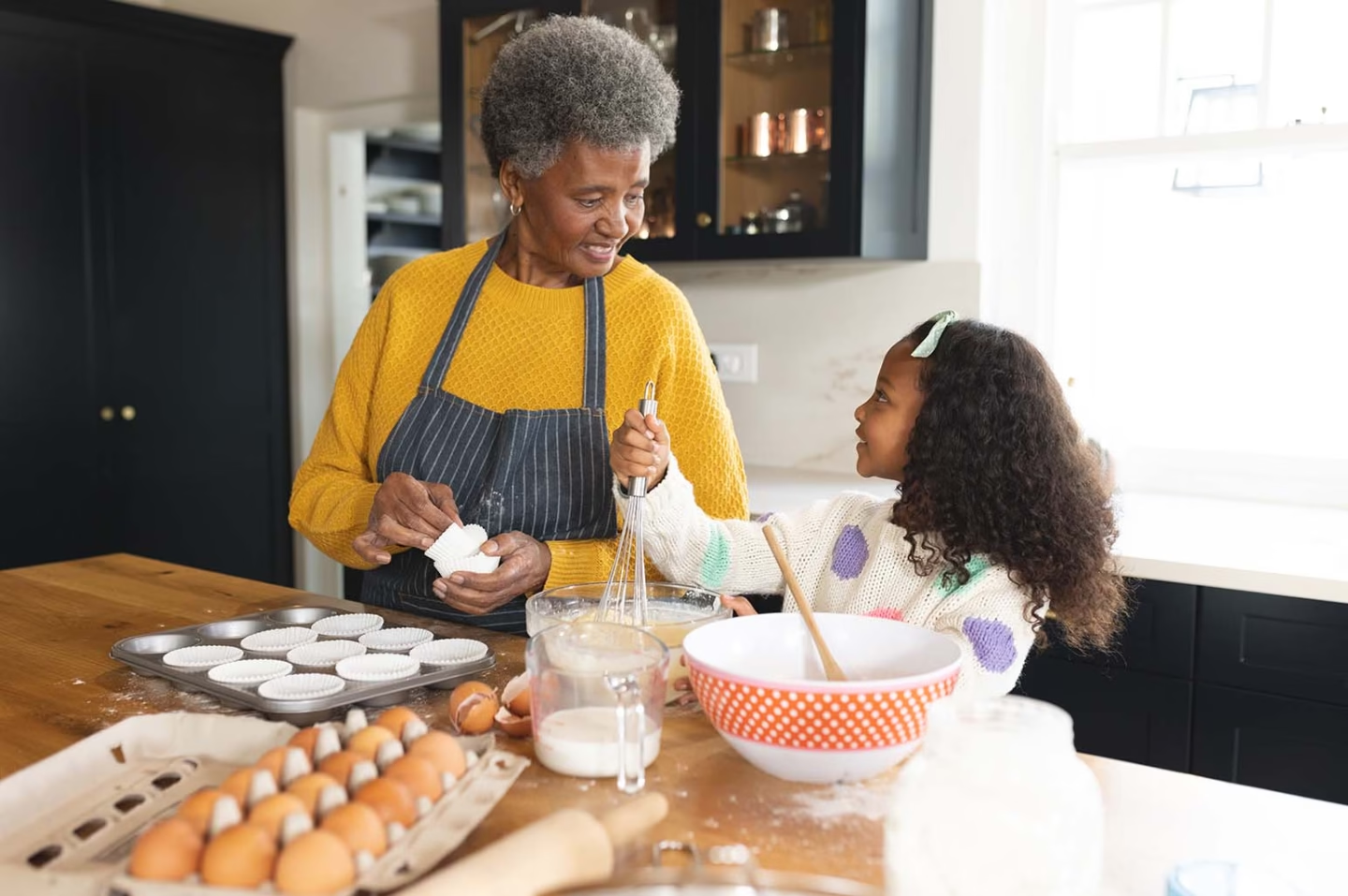
Raising children means constantly balancing curiosity with caution. The kitchen, in particular, is one of the most active—and potentially risky—spaces in the home. From sharp utensils to hot appliances and stored food, it’s an environment that benefits from a bit of structure and regular safety checks. Creating a safer kitchen isn’t about restricting family life; it’s about making everyday routines safer, so children can be in the space without unnecessary risk.
Staying Informed About Product Recalls in the Kitchen
One of the most important but often overlooked aspects of kitchen safety is staying aware of product recall updates. These alerts help identify items that may pose health risks, even if they appear completely normal on the surface. For example, recent recall updates affecting packaged salad products, such as Taylor Farms recall info, highlight how quickly routine grocery items can become part of wider food safety investigations. Situations like this serve as a reminder that kitchen safety isn’t only about preventing accidents—it also involves being aware of the food products entering your home and staying up to date on official safety updates.
Organising and Securing Kitchen Cabinets
Young children are naturally curious, and cabinets can quickly become a point of interest. Without proper precautions, this can lead to exposure to cleaning products, sharp objects, or fragile items.
Simple safety measures such as child-proof locks or safety latches can significantly reduce risk. It’s also worth reorganizing storage so that hazardous items are placed higher up and well out of reach, while child-safe items remain accessible if needed.
Safe Storage of Food and Kitchen Items
Food storage plays a bigger role in safety than many parents realize.
Regularly checking expiry dates and discarding out-of-date products helps reduce the risk of contamination. Keeping the refrigerator at the correct temperature is also essential for slowing bacterial growth.
Smaller household items like plastic bags, foil, and recyclables should also be stored carefully, as they can present choking or injury risks if left within reach.
Preventing Burns and Scalds
Hot surfaces and appliances are among the most common kitchen hazards for children.
Whenever possible, use back burners on the stove and turn pot handles inward to prevent accidental knocks. Safety accessories such as stove guards and knob covers can add an extra layer of protection.
It’s also important to keep appliance cords tidy and out of reach, particularly for kettles, toasters, and slow cookers, where accidental pulling could lead to serious injury.
The Importance of Supervision
Even with the best safety measures in place, supervision remains essential.
Children are observant and often quick to explore new behaviors, which means they may find ways around barriers over time. Staying present and aware in the kitchen helps reduce risks and allows you to respond quickly if needed.
Maintaining Kitchen Hygiene
A clean kitchen is a safer kitchen.
Wiping down surfaces regularly—especially after handling raw ingredients—helps reduce the spread of bacteria. Washing dishes promptly and avoiding leaving food waste or dirty items overnight also discourages pests and maintains a healthier environment overall.
In Conclusion
A safe kitchen is one that supports both everyday life and family interaction. The goal isn’t to remove children from the space entirely, but to make it a place where they can be present safely under the right conditions.
Staying organized, maintaining good hygiene, and keeping up with safety updates all contribute to a more secure home environment.
Ultimately, consistent awareness and small preventative steps go a long way in creating a kitchen that is both functional and family-friendly.
