
Packing for an Antarctic summer requires a little more planning than preparing for an ordinary winter getaway. From November through March, temperatures can be surprisingly manageable, but icy winds, sea spray, wet landings, and rapidly changing weather mean staying warm is all about wearing the right layers. Whether you’re crossing the Drake Passage, stepping into a Zodiac boat or spending hours watching penguins along the Peninsula, having the right clothing can make all the difference.
Antarctica in summer feels less like a deep freeze and more like a brisk, breezy afternoon that refuses to end. Antarctica tours, expedition cruises along the Peninsula and longer voyages to the Ross Sea all sail in that November to March window, and each one gives you long hours outdoors on deck and on shore. Here’s how to build a practical packing list that keeps you comfortable throughout your Antarctic adventure.
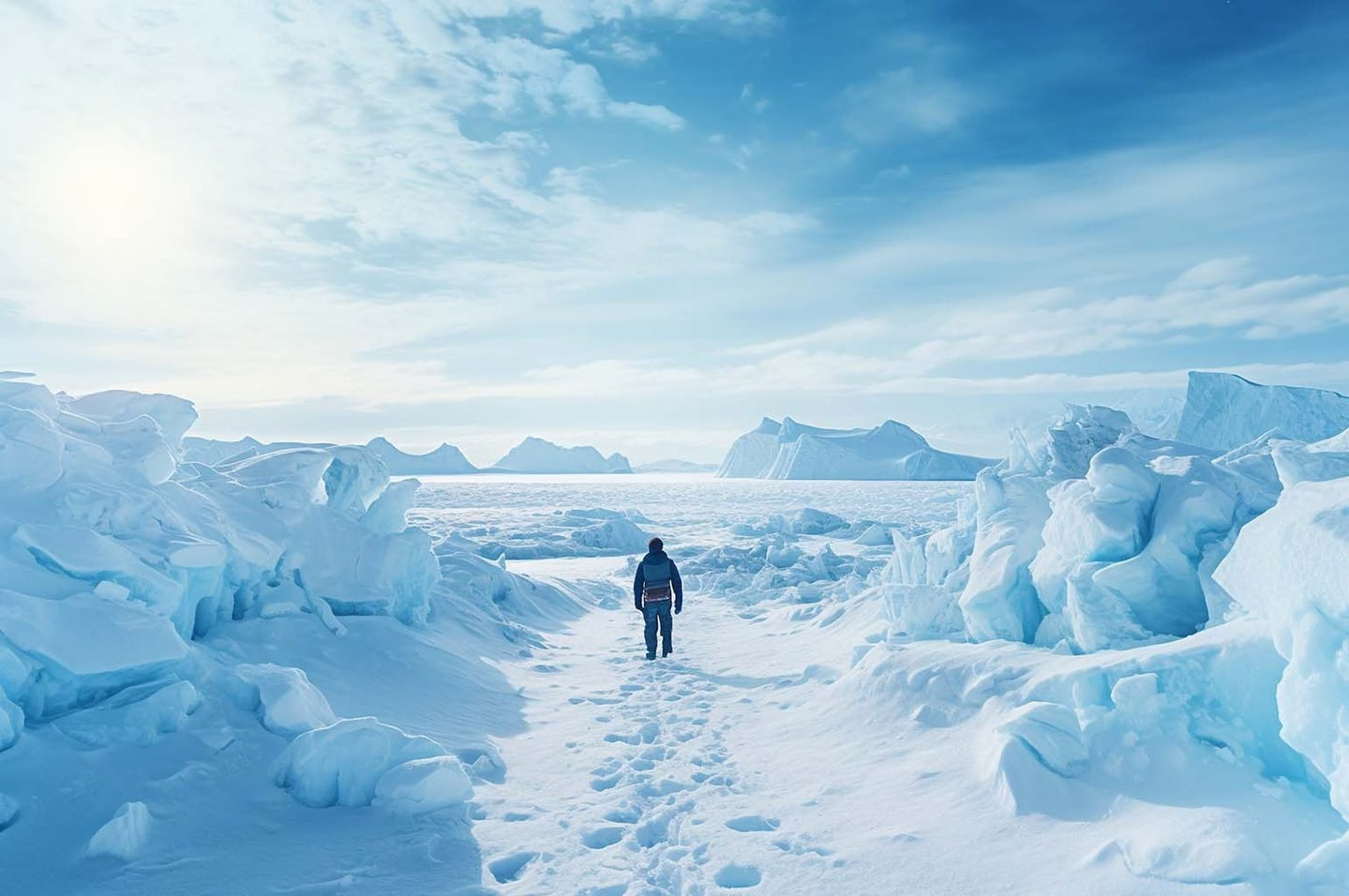
Deck Time on the Drake Passage
Most visitors reach the continent by sea, sailing from Ushuaia at the southern tip of Argentina. That means your first real test of your clothing comes on the crossing, long before you set foot on ice. Whether you’re watching petrels wheel past the stern or waiting for the first tabular iceberg, you’ll want boots, a hood, gloves, water-repellent pants, a parka, and warm underwear. That’s the full kit just for the deck, not for a landing.
The reason to layer instead of relying on one huge coat is the constant switching. You go from a heated lounge to an open bow, then back inside for a lecture, then out again because someone spotted a humpback. A single heavy jacket leaves you either sweating indoors or shivering outdoors. Thin layers you can peel off and add back keep you comfortable in both.
Sweat is the hidden problem. Damp clothing loses its warmth quickly, and the wind on deck finds every wet patch.
Thermal Underwear and Fleece Midlayers
Start with a base layer that moves moisture away from your skin. Merino wool or a good synthetic both work; cotton doesn’t, because it holds water and stays cold once it’s wet. Pack a long-sleeved top and long bottoms, and bring a spare set so one can dry while you wear the other.
Over that goes the insulation. A fleece jacket is the workhorse here, and a light down or synthetic puffy vest adds warmth to your core without bulking up your arms. On a calm, sunny landing you might strip down to the fleece. On a grey morning with sleet blowing sideways, you’ll want both under your shell.
Zodiac landings are where this pays off. Walking uphill to a penguin colony warms you up fast, then you stand still for twenty minutes watching chicks and the cold creeps back in. Larger ships also split their landings into groups, so you may get a couple of hours ashore per day, and you’ll want to spend that time looking at wildlife instead of fiddling with zips.
The Parka, Water-Repellent Pants and Hood
Your outer shell does two jobs: it blocks wind and it keeps out spray. The zodiac ride to shore throws a surprising amount of seawater over the side, and you’ll often step out into the shallows at the landing site. A waterproof parka with a high collar handles both. Before you buy one, check with your operator whether a parka is included with your berth, since that changes what you need to pack.
Water-repellent pants go over your thermals and fleece bottoms. Ski pants with a waterproof face are fine. Make sure they fit over your boots or tuck neatly into them, depending on the style.
Try the hood on over a hat before you buy. One that snugs down firmly will keep spray and crosswinds off your face on an open bow.
Gloves, Balaclavas and Rubber Boots
Hands get cold first, especially if you’re taking photos. Slim liner gloves keep your fingers nimble for camera dials, and insulated waterproof mittens slip over them between shots. Bring a second pair of liners; they get damp.
For your head, a warm beanie that covers your ears plus a neck gaiter or balaclava for windy days. Sunglasses matter too, since the glare off snow and ice is fierce even under cloud.
Feet need knee-high waterproof boots for wet landings, worn over thick wool socks. Many expedition ships lend these, so ask before you pack a bulky pair. If you’re bringing your own, test them with the socks you’ll wear on board.
Shops and Hire Counters in Ushuaia
Most warm clothing can be bought or hired in Ushuaia, and the town is used to outfitting travellers in the days before departure. It’s a handy place to pick up a forgotten pair of gloves or an extra fleece.
The catch is sizing. Range can be thin, particularly at the larger and smaller ends and in boots. If you’ve got broad shoulders, small feet, or long legs, there’s a fair chance the shop won’t have your size in stock the week you arrive. That’s the strongest argument for bringing your own core layers from home and treating Ushuaia as a top-up stop.
Gear you already own also has the advantage of being broken in. New boots on a slippery landing beach are nobody’s idea of fun.
November, January and March Kits, Plus a Checklist
Ships sail mainly between November and February, and a few late departures run into March. Early-season trips usually mean more snow on the ground and colder air, so lean toward heavier insulation and an extra mid layer. By January and February, landings often feel milder and wetter, and you may spend more time in just a fleece and shell.
Late season changes the light. Around midsummer twilight lasts all night, which rules out the southern lights for much of the trip. As nights lengthen, your best chance comes on the homeward sailing, which means standing on deck late at night in the cold. Pack your warmest layers within reach for that.
Plan for days on board, too. Roughly one landing in three is scrapped because of weather, leaving those hours to be spent at the rail, so your deck gear is worth packing whatever the month.
- Two sets of merino or synthetic base layers, top and bottom
- A fleece jacket and a light insulated vest
- A waterproof parka with a hood that cinches over a hat
- Water-repellent pants that fit over your boots
- Liner gloves plus waterproof outer gloves, and a spare pair of liners
- A warm beanie, a neck gaiter or balaclava, and sunglasses
- Thick wool socks, plus knee-high waterproof boots if your ship doesn’t lend them
- A small dry bag for zodiac rides
