

There is a quiet shift happening in the world of interior design. People are moving away from the cold, stark aesthetic that once defined minimalism and gravitating toward something that feels more human. Warm minimalism is the answer to a question many homeowners have been asking for years: can a space be simple and still feel like home?
The answer is yes, and designers everywhere are proving it.

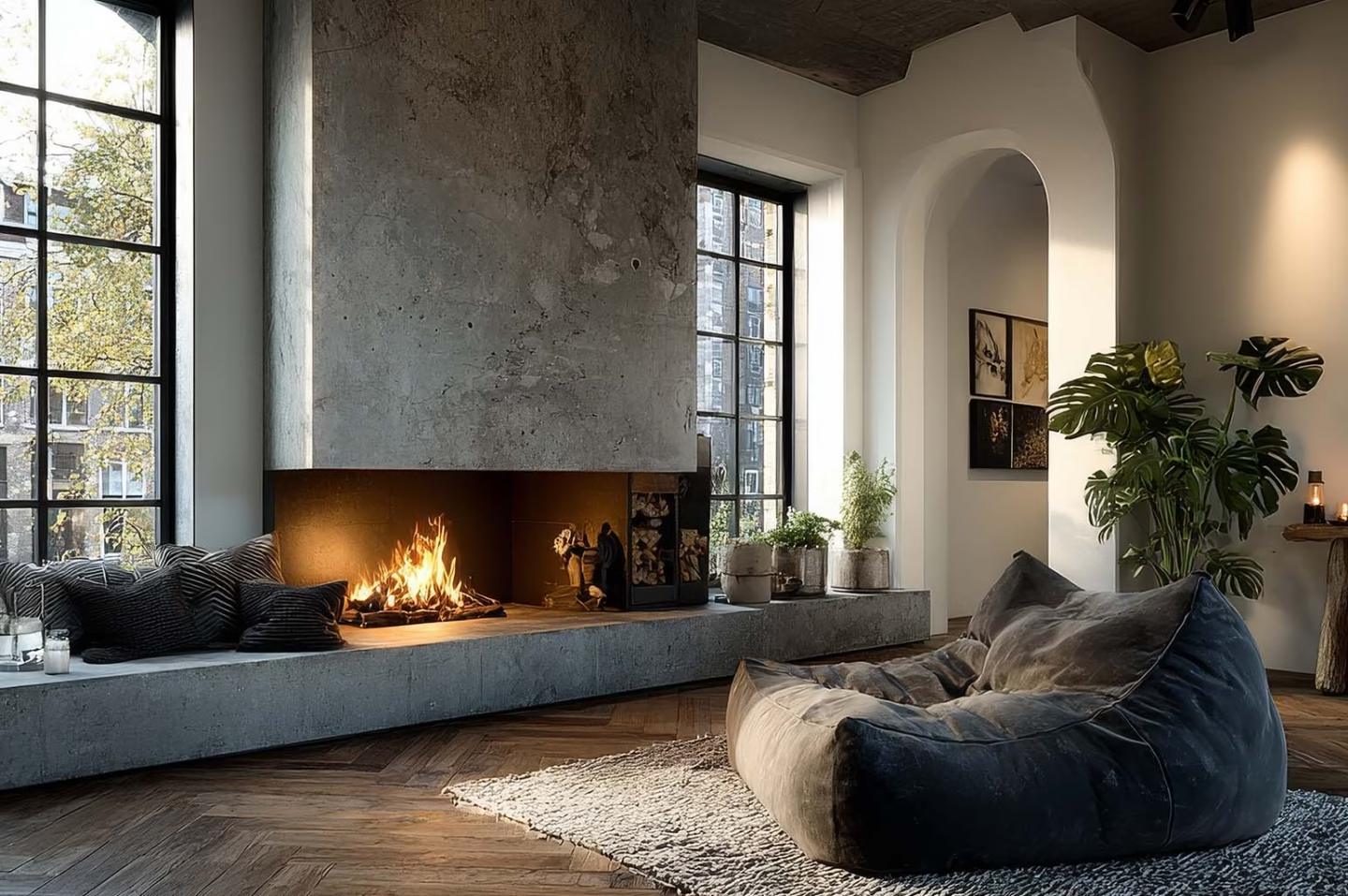
What Is Warm Minimalism?
Warm minimalism is exactly what it sounds like. It takes the foundational principles of traditional minimalism—clean lines, intentional space, and a curated approach to décor—and softens them with texture, warmth, and natural materials. The result is a home that feels uncluttered without feeling empty and calm without feeling cold.
Think of it as the middle ground between a Scandinavian farmhouse and a modern art gallery. You keep only what you love, but what you keep is rich, layered, and deeply considered.
The Role of Natural Materials
One of the defining features of warm minimalism is the use of natural materials. Wood, linen, wool, rattan, stone, and clay all play a significant role in bringing warmth into a simplified space. These materials carry texture and character that synthetic alternatives simply cannot replicate.
A raw oak dining table, a chunky jute rug, or a linen-upholstered sofa can anchor an entire room with very little effort. The key is choosing pieces that have a quiet beauty to them — items that reward a closer look without demanding attention from across the room.
When shopping for these kinds of foundational pieces, a well-curated luxury furniture store is often the best starting point. The difference between a space that feels effortlessly warm and one that feels merely bare often comes down to the quality and character of the furniture itself.
Neutral Tones With Depth
Color in warm minimalism is all about depth within restraint. You are not working with a stark white palette or bold statement walls. Instead, the focus shifts to warm neutrals—creamy whites, sandy beiges, terracotta, dusty sage, and muted earthy browns.
These tones create a sense of softness and cohesion throughout a space. When layered thoughtfully, they give a room dimension without visual noise. The palette essentially becomes a backdrop that lets the texture and form of your furniture and objects do the talking.
Lighting also plays a huge role here. Warm-toned bulbs and soft, diffused light sources enhance this palette beautifully, turning even the simplest room into something that feels genuinely cozy.
Less Is More, But Better
Traditional minimalism sometimes pushed the idea of less to an extreme, leaving spaces that felt clinical or uninviting. Warm minimalism reframes the concept. Less is still very much the goal, but each piece that earns its place in the room needs to bring both function and feeling.
A single sculptural vase on a shelf. A well-worn throw draped over an armchair. A stack of meaningful books on a side table. These elements are not clutter — they are the soul of the space. The discipline is in choosing them carefully and resisting the urge to keep adding.
This approach also means investing in fewer, better pieces rather than filling a room quickly. Quality over quantity is not just a design principle here; it is the entire philosophy.
Bringing the Outside In
Warm minimalism has a natural relationship with the outdoors. Houseplants, dried botanicals, raw stone, and wood grain all echo the organic world and help prevent a pared-down interior from feeling sterile. Even a single large-leafed plant in the corner of a living room can completely shift the energy of a space.
Large windows that let in natural light are another cornerstone of this aesthetic. When a room connects visually and atmospherically to the outside, it automatically feels more alive and grounded — no excess décor required.
Furniture That Does More
In a warm minimalist home, furniture needs to work hard. Multifunctional pieces are valued not just for practicality but because they align with the idea of intentional living. A beautiful storage bench, a nesting set of tables, or a daybed that doubles as a guest space all reflect the thoughtful, purpose-driven nature of this trend.
Scale and proportion matter enormously too. Oversized, plush sofas and low-profile furniture give a room a relaxed, grounded feel that contributes directly to the sense of comfort this style is known for.
Why This Trend Resonates Right Now
It is no coincidence that warm minimalism has captured so much attention in recent years. After a period of collective overstimulation—in homes, on screens, in daily life—people are genuinely craving spaces that offer stillness. A warm minimalist home becomes a kind of sanctuary, a place where the visual noise is turned down and the senses can finally rest.
This trend is not about following a strict set of rules. It is about creating an environment that feels both intentional and livable, where every corner has been considered but nothing feels fussy or forced.
Simplicity and comfort are not opposites. Warm minimalism proves they were always meant to coexist.

