

Learn how safer daily routines for older adults can reduce risks and boost confidence in their familiar environments.


Safety and independence can work together. A dependable routine helps older adults move through the day with less rushing, fewer avoidable hazards, and more confidence in familiar surroundings. Practical tools, including a personal medical alarm, can also help someone summon assistance if a fall or other emergency makes it difficult to reach a phone.
Falls deserve particular attention because they can cause serious injuries and make people hesitant to stay active. The Centers for Disease Control and Prevention reports that more than one in four adults age 65 and older falls each year. A daily safety plan cannot eliminate every risk, but it can address many of the conditions that increase the likelihood of falls and other accidents.
Why Daily Routines Matter for Safety
A routine turns safety from a large, intimidating project into a set of small choices. Knowing where glasses, keys, mobility aids, medications, and phones belong can reduce last-minute searching. It also creates opportunities to notice changes, such as a dim hallway light, a new dizzy spell, or shoes that no longer provide reliable support.
Start the Day With a Simple Safety Check
Before moving through the house, take a few minutes to prepare for the day. Turn on lights before entering dim rooms, make sure walking paths are clear, and place glasses and a phone within reach. Choose closed-back, supportive shoes rather than loose slippers. Reviewing the weather, appointments, and travel plans can also prevent a rushed departure later.
Remove Common Hazards at Home
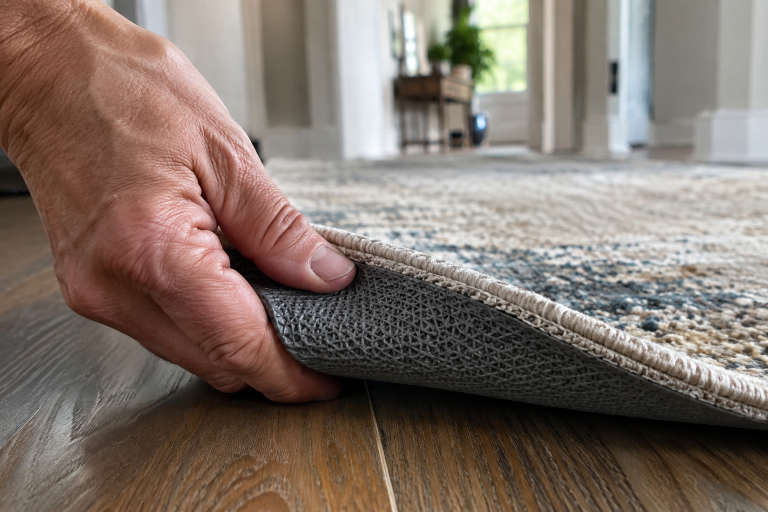
Bedrooms, halls, stairs, and entrances should facilitate movement. Secure loose rugs or remove them, route electrical cords away from footpaths, and clear boxes, baskets, and low furniture from hallways. Improve lighting near steps and doorways, and keep frequently used items on shelves that do not require bending deeply or reaching overhead.
Walk through each room slowly from the perspective of someone using a cane, a walker, or a wheelchair. This often reveals tight turns, blocked paths, and furniture that is difficult to navigate around. Small adjustments can make a meaningful difference without requiring a major renovation.

Make Bathrooms and Kitchens Safer
Bathrooms and kitchens require extra care because they combine wet surfaces, hard floors, tight spaces, and frequent reaching. Use nonslip surfaces in showers or tubs, and consider properly securing grab bars where needed. Keep towels, toiletries, and cookware easy to reach. Wipe spills promptly, and store heavy pots and pans between waist and shoulder height whenever possible.
Add Safe Movement and Balance Practice
Strength, flexibility, and balance support everyday tasks such as standing from a chair, stepping over a curb, or carrying groceries. Gentle walking, chair exercises, stretching, or a physical therapist’s recommended routine may be appropriate options. Ask a doctor or physical therapist before beginning a new program, especially after a fall, illness, or surgery. Consistency matters more than intensity.
Review Medications, Vision, and Hearing
Changes in health can affect awareness, steadiness, and reaction time. Ask a doctor or pharmacist to review medicines that may contribute to dizziness or drowsiness, including over-the-counter products. Keep medication instructions easy to read, maintain regular vision and hearing appointments, and report new weakness, confusion, dizziness, or balance problems to a healthcare professional.
Plan Safer Time Away From Home
Safety routines should support errands, visits, walks, and appointments, not limit them. Choose routes with even surfaces and good lighting, check weather conditions before leaving, and allow extra time so there is no need to hurry. Carry a charged phone and essential contact information. Use handrails when available, and ask for assistance when steps, curbs, or heavy items feel difficult.
Create a Simple Check-In Plan
A check-in plan can provide reassurance without feeling intrusive. Choose one or two trusted contacts, agree on a regular call or message time, and decide what should happen if a check-in is missed. Phone calls, texts, video chats, neighbor visits, and selected safety technology can all work. Update the plan after a move, an illness, a trip, or a major change in routine.
Prepare for an Emergency
Keep emergency numbers, a current medication list, allergy information, medical conditions, and healthcare contacts in a known location. Make sure the home address is easy to find, and trusted contacts know how to enter if help is needed. Store flashlights, batteries, and basic supplies where they are easily accessible. Discuss what to do after a fall, including when to call emergency services rather than trying to get up alone.
Keep Family Support Respectful and Practical
Safety conversations are more productive when they protect personal choice. Ask before moving belongings or changing a room, focus on specific concerns, and offer options whenever possible. For example, family members can replace a loose rug together rather than removing it without discussion. Framing changes as tools that support independence can help everyone work toward the same goal.
Use a Weekly Safety Review
Set aside a few minutes each week to check whether walkways remain clear, lights and night lights work, shoes and mobility aids are in good condition, and emergency contacts are up to date. Note any near falls, stumbles, or dizzy spells. Simple, practical changes at home can help older adults and families identify issues early and adjust support before a small problem becomes more serious.
In Conclusion
A safer routine does not require giving up favorite activities or personal freedom. It means making daily movement, communication, and preparation easier to manage. Start with one or two realistic changes, review the plan regularly, and adapt it as needs change. Steady habits can help older adults remain active, connected, and confident at home and away.

