
Moving to a new state is more than just changing your address. It affects school, work, friends, and many of a household’s daily routines. While adults are worrying about dates and transport, kids worry about leaving their friends and not knowing what to expect in a new place.
So, moving to a new city or state takes a lot of planning to make the transition as smooth as possible for the whole family, prepare them as much as you can, and give them the support they need to handle each part of the process.
1. Give Everyone a Voice in the Move
Even before you start packing, it is a good idea to discuss the move with your family. Explain to them why you are moving, what information you have already, and what you are still waiting for. Children worry about what they don’t know, so giving them as much information as possible can help ease any anxiety they may have.
Acknowledge all feelings. This means acknowledging negative feelings, but it doesn’t mean you have to focus on them. Allow children to express their feelings about the move in a way that feels safe to them. Give them lots of reassurance too.
Letting your child make choices about the move can help them feel more in control. This could be choosing which items to take with you to your new home, researching places to visit and things to do in your new area, or even picking the route you will take on your journey.
2. Build a Timeline Around Your Family’s Daily Life
This is a rough plan of how your family lives, so it will make a good moving timeline too. Write down your departure and arrival dates, then work backward to create a schedule for packing, cleaning, school, etc., and moving your home. Leave some space between each major task to allow for any unexpected delays.
Take into account the schedules of family members who work outside the home, as well as the needs of young children. It may not be realistic to assume you can fully pack the kitchen after a long day of work. Instead, take a few hours each night to sort through one cupboard.
Consider making a shared calendar or folder with important dates and contacts for school enrollments, accommodation reservations, and access to both properties.
3. Plan for the Costs That Are Easy to Overlook
Beyond the cost of transport itself, many other costs should be included in your overall moving budget. For example, fuel, accommodation en route, meals, cleaning materials, and household items you will need to set up your new home but may not need immediately. You may also need temporary accommodation if your new home isn’t ready when you arrive.
Make sure to distinguish between what you need straight away and what you can buy later to furnish the rooms that aren’t yet fixed. That means instead of buying from every furniture store to fill every room, your family can gradually set up their new home as they get to know it.
Allow extra funds for unexpected issues. That way, you can afford an unexpected extra night in a hotel or other urgent expenses when they occur.
4. So you can focus on your family.
Packing and moving your belongings to relocate your family to another part of the country affects many other aspects of your family’s relocation and needs to be organized before you can plan the rest in detail.
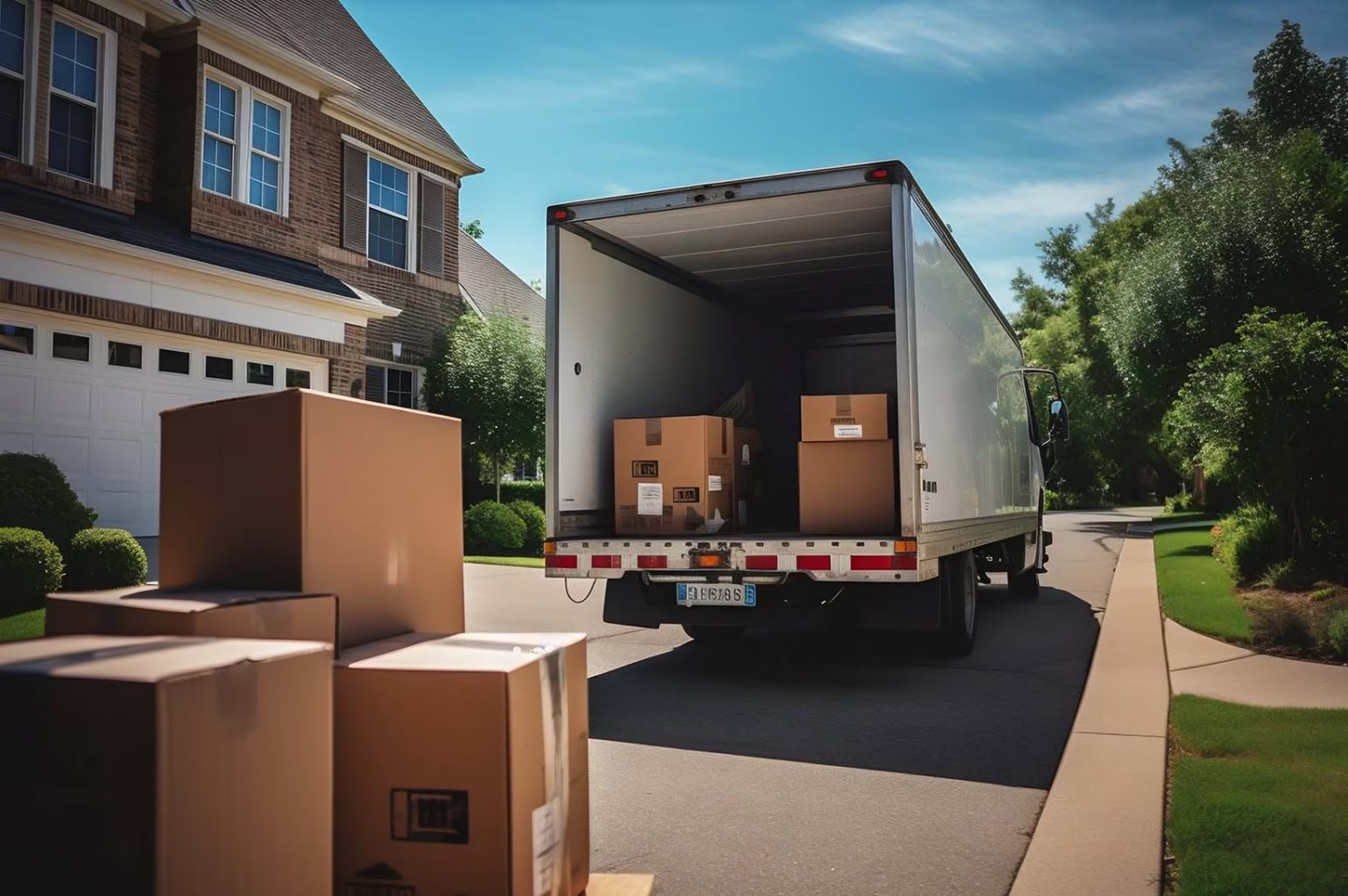
Use a trusted long distance moving company to help you manage your relocation. Get written estimates and establish what services are included. Also, discuss pick-up and delivery details before you hire a company to move you.
Also, remember that for a long time, some of your furniture, clothing, household items, etc. will be in transit. Make sure you have enough room in your car for family members’ clothing and important items such as children’s school supplies, phone chargers, and other essentials.
5. Make Time for Goodbyes and Preserve Familiar Routines
Allow children time to say goodbye to friends and family and to visit favorite places and schools before you leave. Thanksgiving meals at school can be a good way to thank teachers and the school for the time your child spent there.
It can also help children explore ways to keep seeing close friends and say goodbye to teachers and others important to them. In many cases, children can maintain relationships with friends from their old neighborhood by phone, via video calls, and by occasional letters or messages. Relationships may change over time, and it’s unrealistic to expect that all of a child’s friendships from before a move will remain unchanged forever.
Try to maintain routines, where possible, during the weeks leading up to your move. Eating meals together, reading to children before bed, and doing other familiar activities can help create a sense of normality when life feels increasingly out of control.
6. Set Up the New Home for Everyday Comfort First
First, set up the rooms in your new home where your family can start living right away. This means unpacking the items you need for daily life, such as bedding, toiletries, and dishes, and finding places where you can start eating right away. After that, there is still plenty to do, but your family will feel at home right away when they can start using certain rooms.
Bring in children’s familiar things first, like favorite toys, bedding, books, and dinnerware. Unpacking the rest of the boxes and putting everything away will take time, but at least the children can start feeling at home right away.
When it comes to unpacking, divide the tasks up among yourselves over a few days. Also, remember that after a long, arduous move, you will need time to rest and recharge as adults, too. Don’t turn deciding where things go into a fight!
7. Help Everyone Find Their Place in the New Community
Make sense of your new surroundings by incorporating regular activities you can repeat. Take walks around your new neighborhood, visit the local library, and go to places to buy food and get physical activity. These repeated, familiar activities will help you get used to your surroundings and new way of life.
Slowly introduce your family to social opportunities such as a school activity, after-school program or club, and local organizations, and give them time and space to keep familiar habits and routines as they become comfortable in their new environment and build new connections.
Be sure to check in one-on-one with each family member several weeks after the move. Although he/she seemed fine after the move, they may have hidden concerns that surface only after the initial excitement of the new home wears off.
Working through all the practical details of relocating while establishing familiar routines can take time. Most importantly, though, all family members should be given time to find their way, develop new relationships, and gradually find their ‘place’ in the local community and feel at home in their new setting.
