

Ready to start your trucking career? Learn how to get your CDL learner’s permit step-by-step and discover expert tips to ace your CDL skills test on the first try.

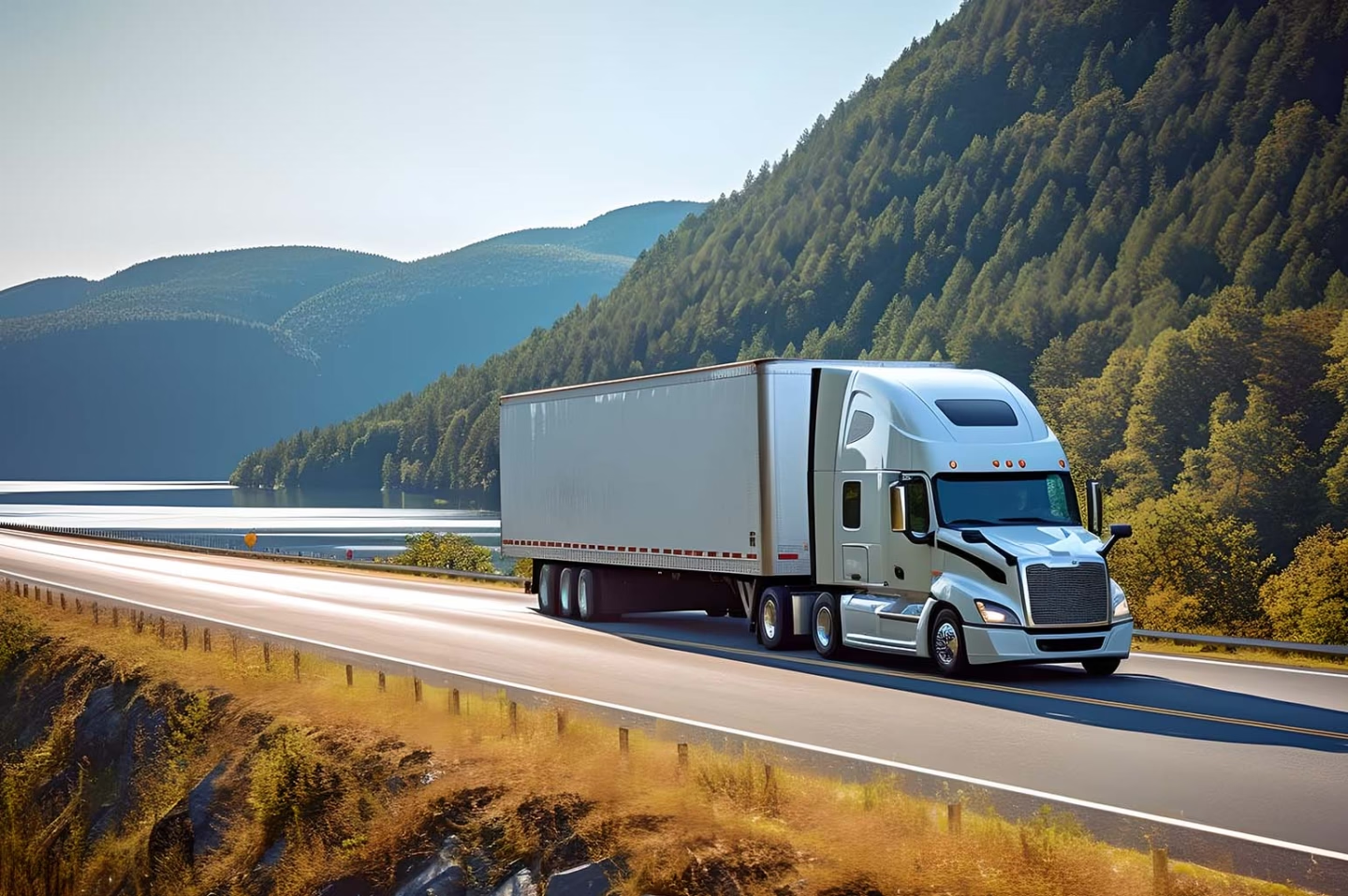
If you’ve ever imagined yourself behind the wheel of a massive rig, hauling freight across states, or operating heavy commercial vehicles, getting your Commercial Driver’s License (CDL) is the first step toward that career. But before you can take the big rig out for a spin, a Rio Rancho truck accident attorney says you’ll need a CDL learner’s permit. Think of it like training wheels—it lets you practice driving a commercial vehicle under supervision so you can gain the confidence and experience to pass your skills test later.
Applying for your CDL permit and preparing for the test aren’t as intimidating as they sound once you know what to expect. In this guide, we’ll walk you through exactly how to apply, what to study, and how to ace the CDL skills test—so you can hit the road with confidence.
Step 1: Know Which CDL You Need
Before you even start filling out forms, decide what type of CDL you’re aiming for. Check out the three options:
- Class A: For combination vehicles with a gross weight over 26,001 pounds (like tractor-trailers).
- Class B: For single vehicles over 26,001 pounds, such as buses or box trucks.
- Class C: For smaller commercial vehicles carrying hazardous materials or more than 16 passengers.
Each class comes with different endorsements and restrictions. For example, if you want to drive a tanker, school bus, or haul hazardous materials, you’ll need to pass additional written exams for those endorsements.
Step 2: Meet the Basic Requirements
Before applying for a CDL learner’s permit, check first if you meet your state’s eligibility criteria. While specific requirements vary slightly from state to state, here are the general ones:
- Age: You must be at least 18 to drive within your state (intrastate) and 21 to drive across state lines (interstate).
- Valid Driver’s License: You need a standard driver’s license in good standing.
- Clean Driving Record: Too many recent violations may delay your eligibility.
- Medical Certification: You’ll need to pass a Department of Transportation (DOT) physical exam to ensure you’re healthy enough to operate commercial vehicles safely.
Once you’ve checked those boxes, you’re ready to move on to the application process.
Step 3: Study for the Written Knowledge Tests
Getting your CDL permit starts with passing several written tests at your local Department of Motor Vehicles (DMV). These typically include:
- General Knowledge Test – Covers basic CDL rules, vehicle inspection, and safe driving practices.
- Air Brakes Test – Required if you plan to drive vehicles equipped with air brakes.
- Combination Vehicles Test – For Class A licenses.
Your state’s CDL manual is your best friend here. It’s usually available for free online or at the DMV. Spend time reviewing each section and consider taking online practice tests to get a feel for the format. These practice exams can help identify weak spots and make test day far less stressful.
Step 4: Apply for Your CDL Learner’s Permit
When you’re confident in your knowledge, it’s time to apply. Head to your local DMV with:
- Proof of identity (such as a birth certificate or passport)
- Social Security card
- Proof of residency
- DOT medical card
- Payment for testing and permit fees
You’ll take the written tests at the DMV. Once you pass, you’ll receive your CDL learner’s permit—usually valid for 6 to 12 months. During this time, you can practice driving a commercial vehicle under the supervision of someone with a valid CDL in the same class.
Step 5: Practice, Practice, Practice
This stage is where you build the hands-on experience needed to pass your CDL skills test. You’ll need to become comfortable with vehicle inspections, backing maneuvers, turns, shifting, and navigating various traffic situations.
Many people choose to enroll in a CDL training program. These schools offer structured lessons, experienced instructors, and access to the right vehicles for practice. While not always required, formal training can make a significant difference in your confidence and skill.
Step 6: Prepare for the CDL Skills Test
Your final step before earning your CDL is the skills test. This test typically includes three parts:
- Pre-Trip Inspection: Demonstrating your ability to inspect your vehicle for safety.
- Basic Control Skills: Performing maneuvers like straight-line backing, offset backing, and parallel parking.
- Road Test: Driving on public roads while following traffic laws and demonstrating safe driving techniques.
It’s smart to schedule your test after you’ve had plenty of supervised practice. The more comfortable you are behind the wheel, the better your performance will be when the examiner is watching.
Shifting Toward a Professional Future
Earning your CDL isn’t just about passing a test—it’s about gaining freedom and control over your career. Whether you’re hauling freight across states or making local deliveries, your CDL is your ticket to opportunity on the open road. And always remember that safety always comes first. If you’re ever in a trucking accident or need help with anything, reach out to a Rio Rancho truck accident attorney. They can guide you through insurance claims and legal steps so your career stays on track. So gear up, stay focused, and take that first step toward becoming a licensed commercial driver—the road ahead is full of possibilities.

