

Discover how hard water damages appliances, increases energy costs, and leaves residue in your home. Learn the warning signs and effective solutions like water softeners.

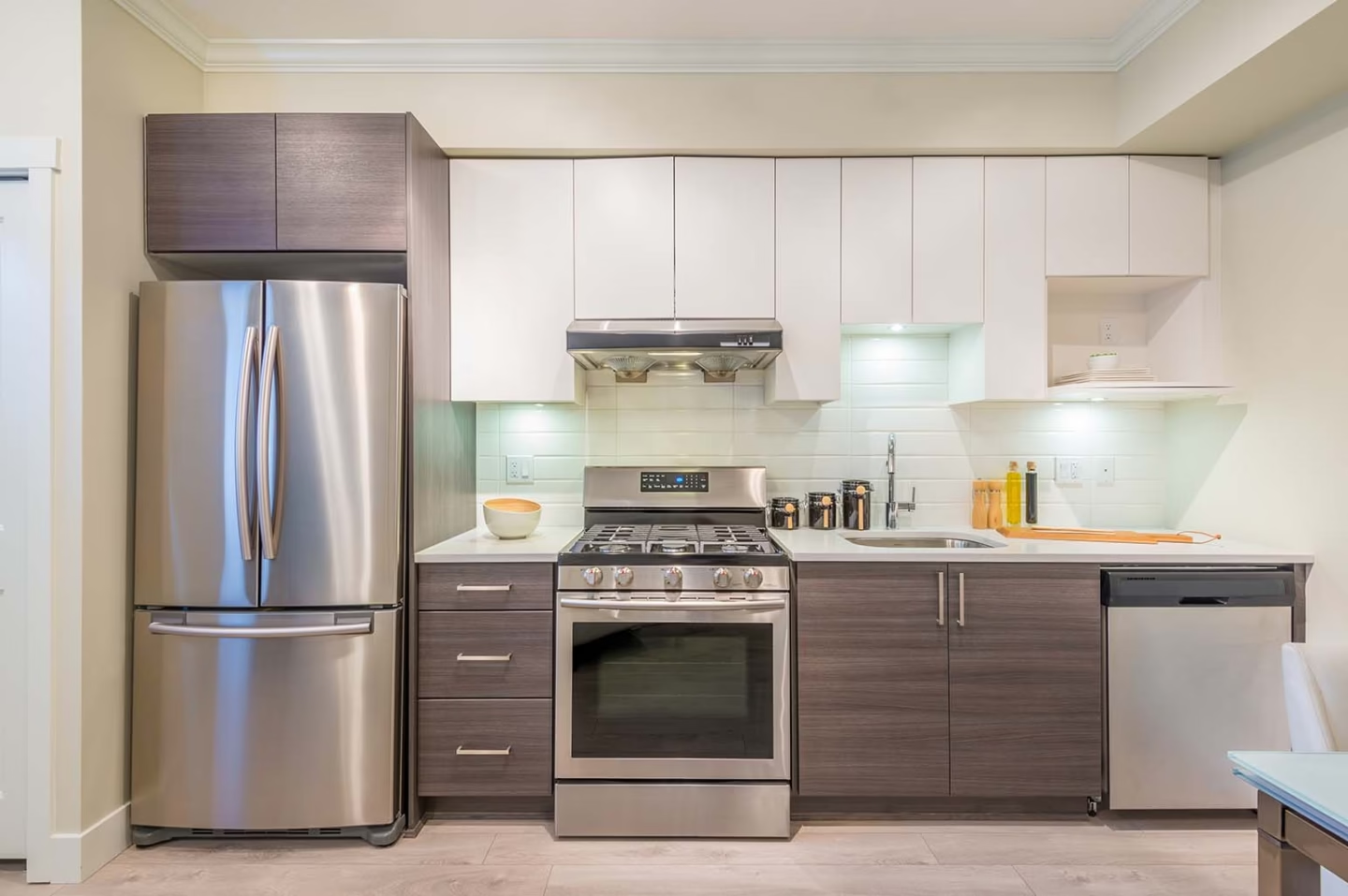
Hard water is defined by its higher concentration of dissolved minerals, mainly calcium and magnesium. Water becomes hard as it filters through deposits of limestone, chalk, or gypsum, which are primarily made up of these minerals. As the water travels underground and through municipal systems, it absorbs these compounds, which remain dissolved.
Homes supplied with hard water usually do not face any immediate health threats, but the hidden effects on plumbing and appliances build up over months and years, often going unnoticed until problems appear. Over time, this can result in stubborn residue, commonly referred to as limescale, that clings to the internal surfaces of your home’s most heavily used devices.
An effective and commonly recommended step to address this issue is the use of water softeners. Water softeners are designed to remove or neutralize hard water minerals, thus protecting appliances before they can accumulate or settle. Without such interventions, even high-end appliances can experience reduced efficiency or premature failure.
Hard water is a common concern in the United States, where many regions, particularly those that rely on well water or groundwater, have high mineral content. While municipal water treatment plants remove dangerous contaminants, hardness minerals usually remain, leaving homeowners responsible for their removal and for managing the side effects inside the home.
This hardness is not hazardous to drink, but it can cause numerous headaches. Effects can range from minor annoyances, like a soapy film after washing your hands, to more serious concerns, such as frequent appliance repairs and expensive utility bills. Recognizing hard water’s potential for gradual, expensive damage is the first step toward effective prevention.

Common Appliances Affected by Hard Water
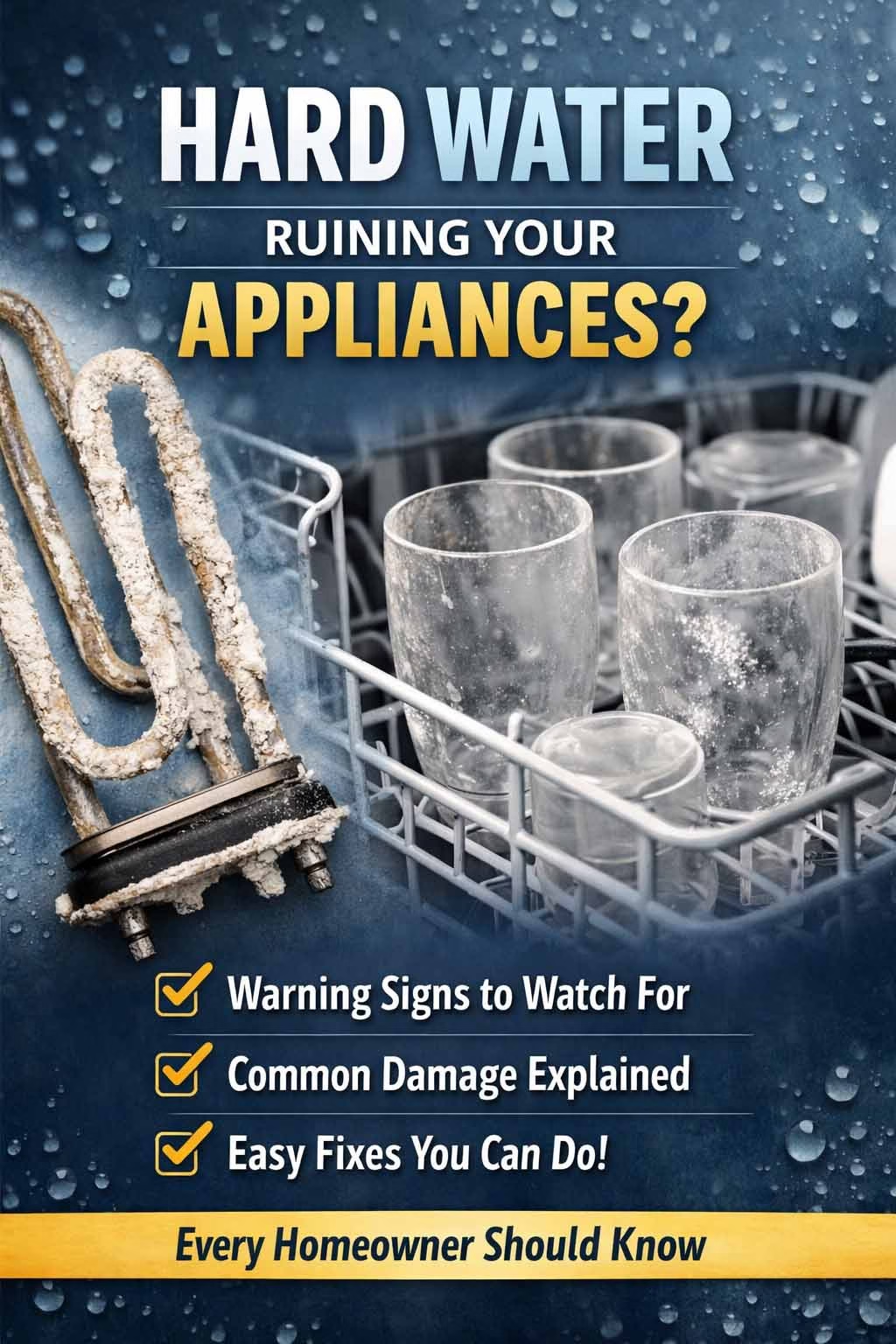
Many household appliances are vulnerable to the negative effects of hard water. Frequent exposure allows minerals to accumulate and form stubborn deposits on vital components, gradually hindering performance and potentially leading to malfunction. Below are several major home appliances most commonly affected:
- Water Heaters: Water heaters, especially those with tanks, are particularly at risk because mineral deposits settle at the bottom of the tank. This layer of sediment acts as an insulator between the water and the heating element, causing the system to sputter and work harder than necessary. As a result, heating efficiency drops, and your utility bills may rise. If left untreated, the accumulated scale forces the heater to run longer, leading to overheating and potentially damaged heating elements or even leaking tanks. Eventually, you may face the inconvenience and expense of a total replacement far sooner than expected.
- Dishwashers: The interior, including the spray arms and water jets, is a prime spot for mineral buildup. Hard water reduces water flow and lowers pressure, so dishes aren’t cleaned as thoroughly. Not only are the insides of the machine affected, but the mineral-laden water can also deposit a white or cloudy residue on plates, glasses, and utensils, making even freshly cleaned items look dirty. Over time, scale buildup can lead to clogging, unpleasant odors, and increased wear on delicate mechanical parts.
- Washing Machines: Washing machines exposed to hard water often struggle to dissolve detergents properly. The result is soapy residue left behind on clothing, as well as on the drum and hoses. Mineral layering on heating elements can force the machine to work harder to heat water, driving up both energy use and costs. This same residue can reduce the softness and color vibrancy of your clothes and increase strain on machine parts, accelerating the need for repairs or replacements.
- Coffee Makers and Kettles: Small kitchen appliances such as coffee makers and kettles are not immune to the impact of hard water. Mineral buildup inside heating elements or narrow pipes can limit water flow, prolong brewing or boiling times, and negatively affect beverage taste. Hard water also shortens the lifespan of these appliances, as the deposits are difficult to access for thorough cleaning and can eventually lead to complete failure.

Signs of Hard Water Damage
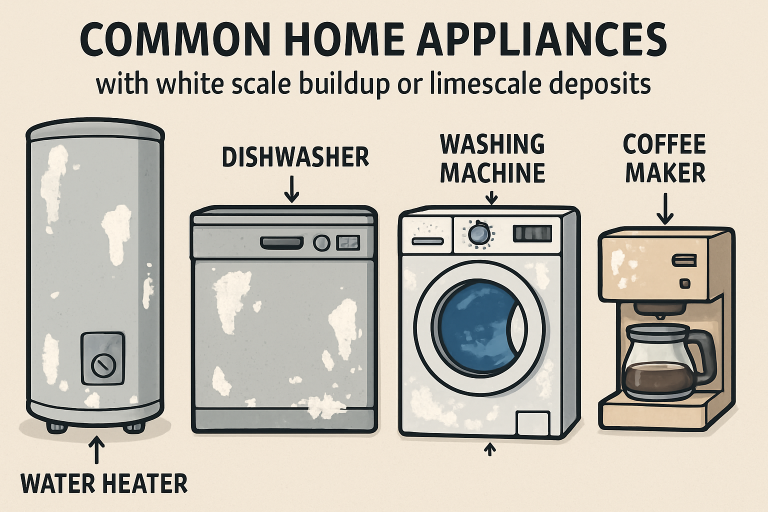
It can be deceptively difficult to detect hard water damage right away, but vigilant homeowners should look for common warning signs of underlying problems. These often subtle indicators can help you intervene before serious damage is done:
- Decreased water pressure is a common symptom of mineral buildup in pipes, showerheads, or faucet aerators. Reduced water flow may not only be annoying but can also hinder appliances such as dishwashers and washing machines from working at full capacity.
- Persistent white spots, streaks, or a cloudy film left on glasses, dishes, and silverware after running the dishwasher. These are mineral deposits that no amount of soap seems to remove, and they are a telltale sign of untreated hard water.
- Clothes emerging from the wash stiff, scratchy, or faded, often due to detergent reacting with minerals. Rather than rinsing clean, clothing fibers hold onto mineral-laden residues, resulting in garments that look and feel worn even when newly purchased.
- Noticeable increases in utility bills or longer appliance cycles, which can result from reduced water heater efficiency due to a thick layer of scale. These cost increases can be easily overlooked until a substantial spike appears, but tracking your monthly energy usage may reveal a gradual pattern.
If these signs are apparent and left unaddressed, the cumulative damage to your appliances can be severe, leading to shorter appliance lifespans and increased likelihood of major repairs or even full replacements. Regularly inspecting and attending to these symptoms will help protect your household investment.
Preventive Measures and Solutions
Fortunately, hard water issues are manageable with the right proactive measures. By addressing mineral buildup and water hardness early, you can significantly extend the service life and efficiency of your household appliances and preserve your wallet in the long term. Here are several notable strategies:
- Install a Water Softener: A water softening system is widely regarded as the most reliable way to protect your appliances. These devices work by exchanging the minerals responsible for water hardness with sodium or potassium ions. This process prevents calcium and magnesium from accumulating in your plumbing and appliances. With softened water, appliances experience less scale buildup, work more efficiently, and often require fewer repairs. Installation typically involves a one-time setup and ongoing maintenance, but the investment pays for itself through avoided repair costs.
- Regular Maintenance: Regularly cleaning and descaling your appliances with either manufacturer-recommended solutions or common household acids, such as vinegar, prevents excessive scale buildup. For water heaters, professional flushing once or twice a year is often advised. Dishwashers and washing machines benefit from empty cycles run with a descaling agent, while small appliances like kettles and coffee makers last longer with routine cleaning.
- Use Specialized Detergents: Some laundry and dishwashing detergents are formulated specifically for hard water conditions. These products contain additives that help break up mineral deposits and emulsify soap, improving cleaning results and reducing residue on dishes and clothes. Specialty detergents can be instrumental in maintaining the appearance and performance of your appliances.
- Monitor Water Hardness Levels: Regular at-home testing with a simple water hardness test kit can help you keep tabs on changes in your water quality. Staying informed lets you adjust cleaning intervals and product choices before noticeable problems occur.
Being proactive not only safeguards your appliances but also supports the broader efficiency and comfort of your home.
In Conclusion
The effects of hard water on home appliances can be far-reaching, leading to reduced efficiency, higher operating costs, and an increased risk of breakdowns or replacement. However, by becoming familiar with the warning signs and understanding how hard water causes these problems, homeowners can take meaningful action.
Installing a water softener, performing regular maintenance, and choosing suitable detergents are all vital steps for protecting appliances and lowering the chances of unexpected hassles or expenses. By making these preventive measures part of your routine, you can enjoy cleaner dishes, fresher clothes, and efficient appliances—while ensuring your home systems continue to operate smoothly for years to come.

