

From picture books to classics, here are 5 essential types of books every child should read early to inspire curiosity and a love for reading.


Reading is one of the most valuable gifts we can give our children. It opens doors to imagination, builds vocabulary, develops critical thinking skills, and creates a foundation for lifelong learning. However, not all books serve the same purpose in a child’s development. While any reading is beneficial, certain types of books offer unique advantages that can shape a young mind in profound ways.
The early years of a child’s life are crucial for brain development, and the books they encounter during this period can significantly influence their cognitive, emotional, and social growth. By introducing children to diverse genres and styles of literature, parents and educators can help them develop a well-rounded perspective on life while fostering a genuine love for reading. The key is understanding which types of books offer the greatest developmental benefits and ensuring these categories are represented in every child’s reading diet.
When selecting books for young readers, it’s important to consider both entertainment value and educational impact. The following five categories represent essential types of literature that every child should encounter early in their reading journey. Each category serves a specific purpose in childhood development, from building foundational skills to nurturing creativity and moral reasoning.

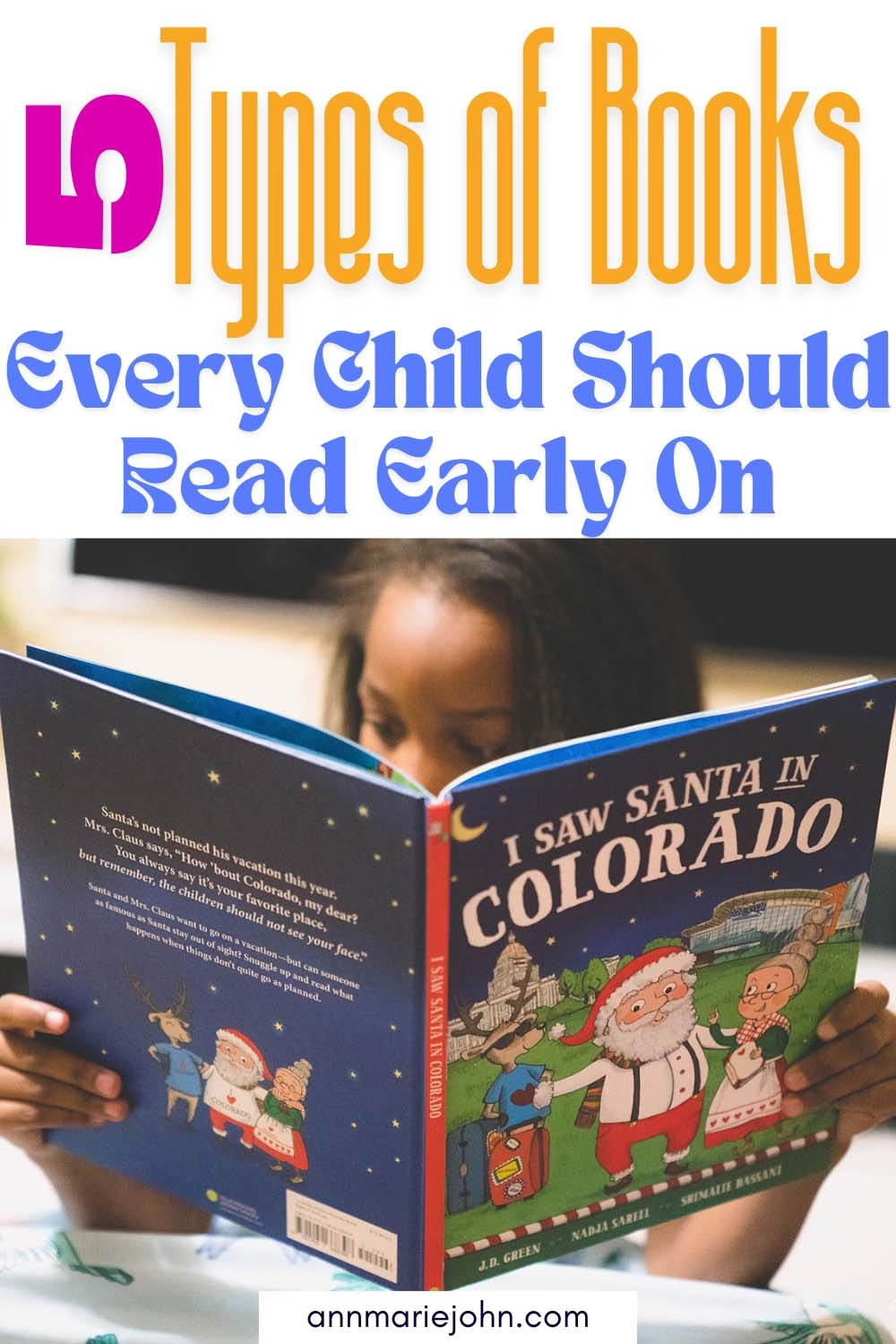
Picture Books and Early Readers
Picture books form the cornerstone of early childhood literacy. These beautifully illustrated volumes combine visual storytelling with simple text, making them perfect for developing pre-reading skills and fostering a love of books. The combination of pictures and words helps children understand that stories have structure, characters have motivations, and illustrations can enhance meaning.
Early readers benefit tremendously from picture books because they learn to decode visual cues alongside textual information. This dual processing develops critical thinking skills as children begin to understand how images and words work together to tell a story. Classic picture books often feature repetitive language patterns that help young readers predict text and build confidence in their reading abilities.
Classic Fairy Tales and Folk Stories
Fairy tales and folk stories have been passed down through generations for good reason. These timeless narratives contain archetypal characters and universal themes that help children understand fundamental human experiences. The heroes, villains, and magical elements in these stories capture young imaginations while teaching important life lessons about courage, kindness, perseverance, and justice.
The structure of fairy tales also provides children with a framework for understanding narrative. The clear beginning, middle, and end of these stories, along with their cause-and-effect relationships, help developing minds grasp how stories work. This understanding becomes crucial as children begin to create their own stories and develop their writing skills.
Educational Non-Fiction Books
Non-fiction books designed for children serve a unique purpose in developing curiosity about the real world. These books cover topics ranging from science and nature to history and geography, providing factual information in engaging, age-appropriate formats. Early exposure to non-fiction helps children understand that books can be sources of reliable information, not just entertainment.
Science books for children often feature stunning photography and clear explanations that make complex concepts accessible to young minds. Books about animals, plants, space, and the human body can spark interests that last a lifetime. Many children discover their passion for specific subjects through well-written non-fiction books that present information in exciting and memorable ways.
Religious and Spiritual Literature
Religious and spiritual books play an important role in many children’s development, providing moral guidance, cultural identity, and answers to life’s big questions. These texts often contain stories that teach values like compassion, forgiveness, honesty, and service to others. Regardless of specific religious tradition, spiritual literature typically emphasizes the importance of treating others with kindness and living with purpose.
For families with religious backgrounds, introducing children to their faith tradition through age-appropriate books helps establish cultural identity and family values. These books often contain stories of faith, hope, and perseverance that can provide comfort during difficult times and guidance for making good choices. There are many online and local stores you can get these books from, but if you need recommendations, then you can check out any of the prayer books by Pentecostal Publishing House.
Interactive and Activity Books
Interactive books that encourage participation provide unique benefits for developing readers. These books might include flaps to lift, textures to feel, sounds to hear, or activities to complete. The physical engagement required by these books helps reinforce learning and makes reading a multi-sensory experience.
Activity books that combine reading with puzzles, games, or creative projects help children understand that books can be tools for active learning rather than passive consumption. Workbooks designed for young children often combine letter recognition, number skills, and basic concepts with engaging activities that make learning feel like play.
Building a Balanced Reading Diet
Creating a well-rounded reading experience for children requires intentional selection across all these categories. Just as we ensure children eat from different food groups for physical health, we should ensure they read from different book categories for intellectual and emotional development. The goal is not just to teach children how to read but to help them discover why reading matters.
Parents and educators should remember that children’s interests and reading levels vary significantly. What captivates one child might bore another, so it’s important to offer variety within each category. The key is consistent exposure to quality literature across all types, allowing children to discover their preferences while ensuring they don’t miss important developmental opportunities.
Regular library visits, bookstore browsing, and conversations about books help children understand that reading is a valued activity. When adults demonstrate enthusiasm for books and reading, children are more likely to develop positive associations with literature. The investment in building strong reading foundations during childhood pays dividends throughout a person’s educational journey and beyond.
In Conclusion
By ensuring children encounter picture books, fairy tales, non-fiction, religious literature, and interactive books during their early years, we give them tools for understanding themselves, their world, and their place in it. These five types of books work together to create confident, curious, and compassionate readers who will continue to seek knowledge and wisdom through literature throughout their lives.

