
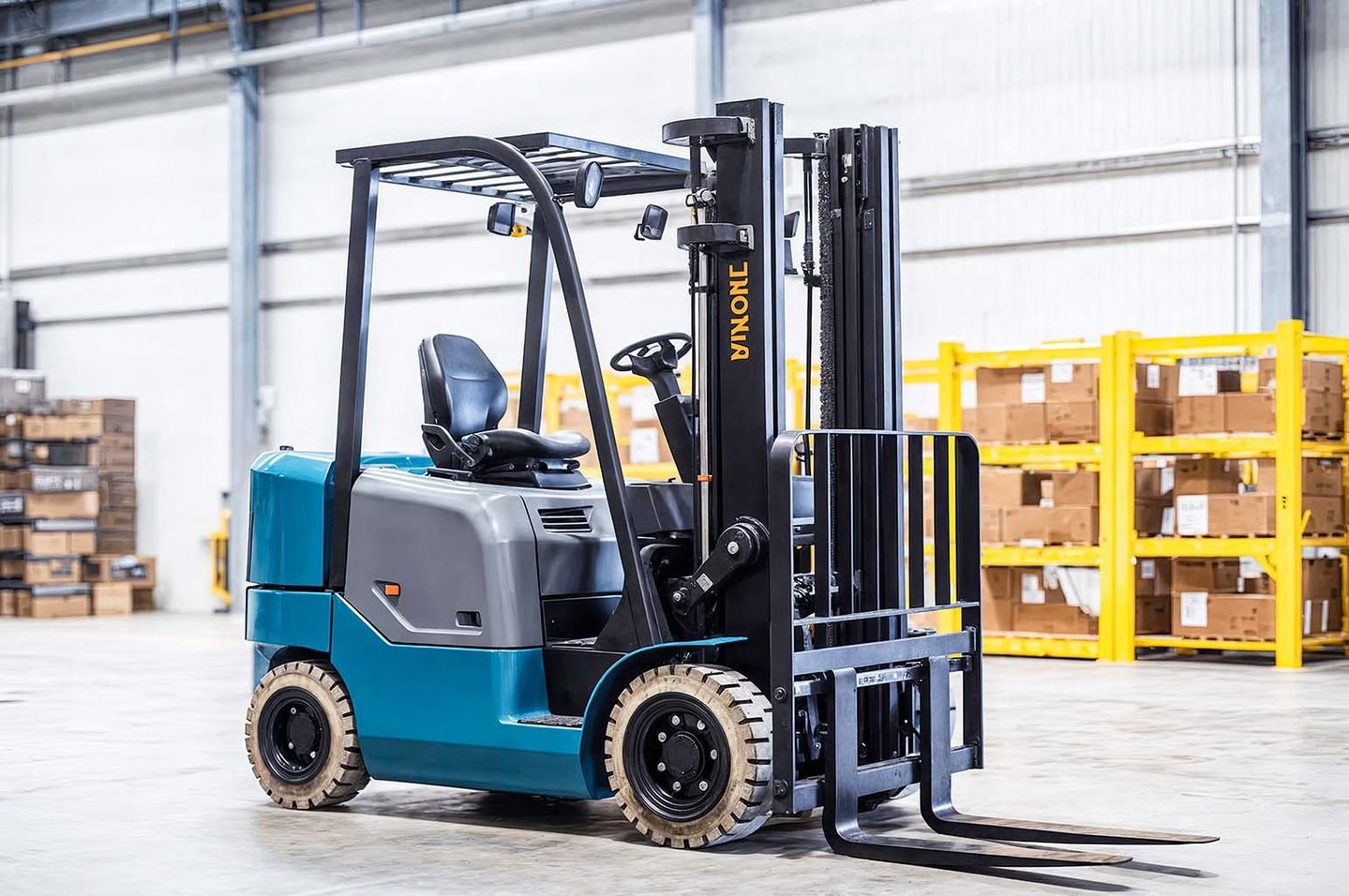
Older forklifts rarely retire quietly. They stay in service because they can still lift, move, and earn their keep. The challenge begins when small faults turn into expensive downtime. Keeping an aging forklift reliable does not mean repairing everything as soon as it fails or replacing parts unnecessarily. It means understanding wear patterns, choosing compatible components, and matching maintenance to how the machine is used. With a practical plan, you can control costs while protecting equipment performance and workplace safety.
Recognize When Age Becomes a Maintenance Pattern
An older forklift rarely fails all at once. Instead, recurring problems may appear over time: slower lifting, rough steering, fluid seepage, unusual mast noises, or intermittent electrical faults.
These symptoms can point to wear across connected systems rather than one isolated defect. Seals can harden, electrical connectors can corrode, and bushings can develop play as operating hours accumulate. A forklift with high hours may still be dependable, but repeated faults deserve closer attention.
Keep a simple maintenance log that records symptoms, repairs, dates, and operating hours. If the same hose, bearing, or sensor fails repeatedly, investigate the underlying cause. Heat, contamination, poor lubrication, incorrect installation, or demanding operating habits may be contributing to the problem. Identifying the pattern can prevent another repair bill for the same issue.
Prioritize Components That Cause Downtime
Not every component needs the same level of attention. Focus first on systems that can stop work or affect safe operation, including hydraulics, brakes, tires, mast rollers, electrical connections, and cooling components.
A hydraulic leak may seem minor until it reduces lifting performance or contaminates nearby parts. Worn mast rollers can increase friction and affect smooth movement. Corroded battery cables or ignition problems can leave a truck unable to start at the beginning of a shift.
When replacement is necessary, confirm the part fits the exact make, model, and configuration. Intella Parts supplies forklift parts for different equipment brands, helping maintenance teams source components for repairs.
You can find out more by visiting the Intella Parts website and exploring Hyster Forklift Parts to identify replacement options for compatible Hyster equipment. Checking fitment details before ordering can help avoid delays, returns, and wasted labor.
Match Maintenance to the Real Workload
A forklift used occasionally on a clean indoor floor ages differently from one operating outdoors on uneven ground. Maintenance intervals should reflect the actual working environment as well as the manufacturer’s recommendations.
Dust, mud, debris, and moisture can accelerate wear or clog filters. Frequent cold starts, long periods of idling, heavy attachments, and repeated lifting near capacity can also place extra strain on components. A schedule that ignores these conditions may leave problems undetected until the truck breaks down.
Classify usage as light, moderate, or severe duty, then adjust inspections accordingly. High-use machines may need more frequent checks of tires, chains, forks, hydraulic lines, and cooling systems. Always use the operator’s manual for model-specific service requirements, and have qualified technicians handle work that requires specialized skills.
Separate Acceptable Wear From Safety Risks
Some deterioration is expected as equipment ages. The costly mistake is treating dangerous wear as normal. Tires with chunks missing, forks with excessive heel wear, or chains that have elongated can compromise handling and workplace safety even if the forklift still moves.
Look for changes in tire condition, uneven fork height, unusual brake response, steering play, and damaged hoses. If a problem affects lifting stability, steering, stopping distance, or visibility, it needs prompt assessment rather than a wait-and-see approach.
The Occupational Safety and Health Administration’s pre-operation forklift inspection guide explains important checks and the need to remove unsafe trucks from service. Inspections should be completed before use, and defects should be reported immediately. Do not operate a forklift that is unsafe; repairs should be performed by authorized personnel.
Replace Parts Strategically, Not Reactively
Replacing only the part that has visibly failed can lead to repeated downtime if the underlying cause remains. A leaking hydraulic cylinder, for example, may be affected by contaminated fluid, a scored rod, or excessive strain from another worn component.
When a component fails, inspect nearby parts and related systems before completing the repair. If a roller, chain section, or electrical connector has deteriorated, adjacent components may also be close to the end of their useful life. Grouping necessary repairs during planned downtime can cost less than dealing with several separate emergencies.
That does not mean replacing every aging part in advance. Use inspection findings, service history, operating conditions, and technician advice to decide what should be repaired now and what can be monitored. Keep commonly needed parts available when lead times are long, but avoid tying up money in stock that rarely gets used.
Use Operator Feedback to Catch Problems Early
Operators often notice changes before they appear in a formal service report. They may feel extra vibration, hear mast chatter, notice sluggish tilt response, or spot fresh fluid beneath the truck after parking.
Make reporting these observations part of the end-of-shift routine. Ask specific questions: Did steering feel heavier than usual? Did the mast move smoothly? Were there unusual smells, noises, or warning lights? Specific details help technicians identify trends before a small issue becomes a major failure.
A maintenance process works best when operators know their observations will be taken seriously. Record reports, assign follow-up actions, and tell staff what was found. This feedback loop supports better diagnosis and encourages early reporting rather than waiting for equipment to stop.
Decide When Repairs Are Still Worth the Cost
Eventually, every owner or manager must decide whether an older forklift is still economical to maintain. Age alone does not settle the question. Consider the concentration of repair costs, parts availability, safety, reliability, and whether the truck still suits the work.
If the frame remains sound and problems are limited to serviceable systems, continued repairs may make financial sense. If failures are accumulating across the engine, transmission, mast, and electrical system, replacement may deserve serious consideration.
Compare annual repair expenses with the cost of replacing the forklift, but include indirect costs such as lost productivity, rental equipment, delayed shipments, and technician time. A well-maintained older machine can remain a useful asset when its limitations are understood, and its repairs are planned.
The aim is not to make an old forklift new. It is to keep a suitable machine safe, dependable, and cost-effective for as long as continued service makes sense. With thoughtful maintenance and sound repair decisions, you can reduce avoidable downtime without wasting money.
