
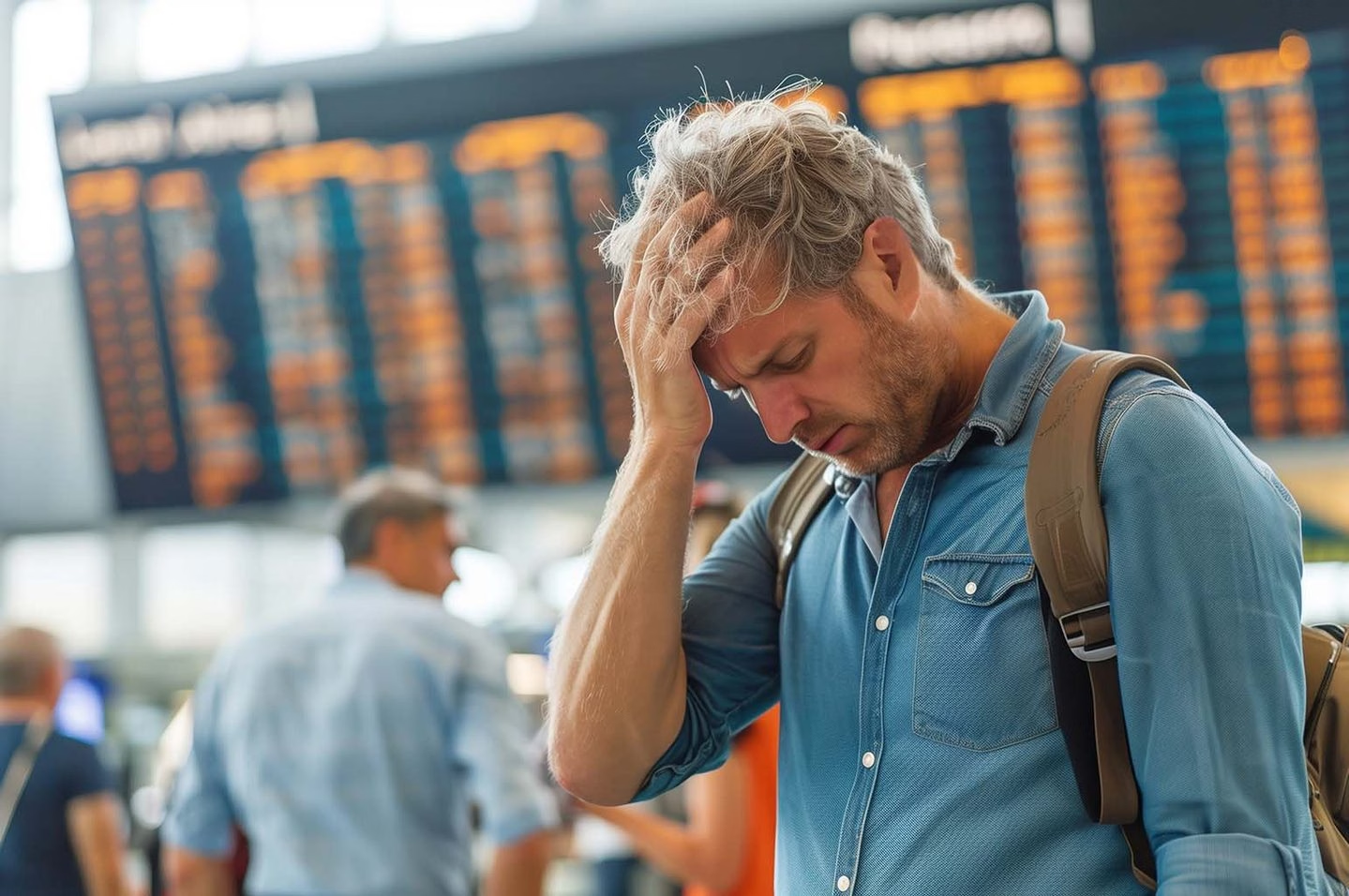
A delayed flight, an unfamiliar hotel room, or a full day of sightseeing can leave you with more than tired feet. Headaches while traveling are often associated with disrupted sleep, skipped meals, dehydration, and changes in routine. For people prone to migraines, bright light, noise, and motion may add to the challenge.
You cannot control every travel headache trigger, but a little preparation can make the journey more comfortable. These nine products address practical needs such as access to water, regular snacks, darkness, and quieter surroundings. Choose what suits your trip and symptoms; none guarantees headache prevention.
1. Buoy: Electrolyte Drops for Travel Hydration
It’s easy to overlook water when you’re rushing between terminals or exploring a city in the heat. Dehydration can contribute to headaches, and extended activity in hot weather increases the amount of fluid and salt lost through sweat. Taking regular water breaks is one of the simplest travel headache prevention habits.
For travelers comparing the best healthy electrolytes for their trips, convenience, ingredients, and sodium content are worth considering. Buoy offers sugar-free liquid drops that mix into water or another drink without a separate powder packet. Its Rescue Drops contain 300 mg of sodium per serving, so check the specific formula and follow its directions rather than treating all electrolyte drops as interchangeable.
Electrolytes may be useful after substantial sweating, but plain water and normal meals are generally enough for routine hydration. Choose travel hydration products according to your activity level and needs, and pay attention to sodium content if you’ve been advised to limit salt.
2. Owala: Reusable Water Bottles
A refillable bottle turns good intentions into something you can actually do between sightseeing stops. Owala’s FreeSip bottle features a built-in straw and a larger drinking opening, making it easy to take a quick sip or drink more when you stop for a break. Its insulated stainless-steel versions also help keep water cool.
Carry it empty through airport security where permitted, then fill it at a drinking-water station. On a road trip, keep it within reach of a passenger rather than buried under luggage. Having water available does not guarantee that you’ll avoid dehydration headaches, but it removes one common obstacle to drinking regularly.
3. KIND: Convenient Travel Snacks
Travel schedules rarely line up neatly with mealtimes. A delayed train, a long museum visit, or an unexpectedly late hotel check-in can push lunch back by hours. Skipping meals is a headache or migraine trigger for some travelers, which makes portable snacks worth packing.
KIND offers individually wrapped bars made with ingredients such as nuts, as well as other snack options that fit easily into a personal bag. Pair one with fruit or another food when possible, and choose varieties that suit your dietary needs and allergies. Snacks are a useful backup during delays, not a replacement for regular meals. Keeping your usual eating rhythm is the bigger goal.
4. Manta Sleep: Sleep Masks
Sleep is often the first routine to unravel on vacation. Early departures, jet lag, hallway lighting, and curtains that never quite close can make it difficult to get enough rest. For travelers who notice headaches after a poor night’s sleep, a darker environment is a sensible place to start.
The original Manta Sleep Mask has adjustable eye cups designed to block light without pressing directly against the eyelids. A mask can be especially helpful during overnight flights or in hotel rooms with bright exterior lighting. Pair it with a realistic bedtime, and try to keep your sleep and wake times reasonably consistent once you’ve adjusted to the destination.
5. Loop: Noise-Reducing Earplugs
Airports have a soundtrack of boarding announcements, conversations, rolling suitcases, and engines. That constant noise can feel overwhelming, particularly if you’re sensitive to sound during a headache or migraine attack. A small pair of earplugs may make it easier to relax.
Loop’s Quiet 2 earplugs are designed to reduce background noise for travel, downtime, and other everyday settings. They soften sound rather than eliminate it, so proper fit matters, and important announcements may be harder to hear. Keep them handy for a noisy hotel room or a long train journey, but remove them when you need to remain alert to your surroundings.
6. Ostrichpillow: Supportive Travel Pillows
Waking up with a stiff neck after dozing upright is hardly the start anyone wants to a vacation. Long stretches in a cramped seat can leave the neck and shoulders uncomfortable, especially when your head repeatedly tilts forward.
Ostrichpillow’s Go Neck Pillow uses memory foam and an adjustable closure to support different seated resting positions. Its asymmetrical shape can be rotated to find a fit that feels comfortable, and the pillow packs into a travel bag. Support helps with comfort, but it is not a treatment for headaches. On long-haul flights and extended train rides, get up or change position when practical, and take movement breaks during road-trip stops.
7. goodr: Sunglasses for Bright Conditions
Sunlight bouncing off water, pavement, and car windows can make a beautiful destination surprisingly uncomfortable. Bright light and glare are particularly bothersome for travelers with light sensitivity, including some people who experience migraines.
goodr offers lightweight sunglasses, with many styles featuring polarized lenses and UV400 protection. Polarization can reduce reflected glare, while UV protection serves a separate role in protecting your eyes. For beach days, city walks, and outdoor excursions, choose a comfortable pair that fits securely. Combine sunglasses with a brimmed hat and occasional breaks in the shade rather than trying to push through hours of intense sunlight.
8. Frogg Toggs: Cooling Towels
A packed itinerary can make it tempting to stay outdoors through the hottest part of the afternoon. But high temperatures and heavy sweating increase fluid loss and can contribute to fatigue, discomfort, and heat-related headaches.
Frogg Toggs makes the Chilly Pad cooling towel, which uses evaporation to create a cooling sensation after it has been soaked and wrung out. It is reusable and easy to pack for hiking, theme parks, or summer sightseeing. Resting with a damp towel around your neck may feel refreshing, but it is only an extra comfort measure. Drink water regularly, take cooling breaks, and stop activity if you develop headache, dizziness, nausea, or weakness in the heat. Confusion, slurred speech, seizures, or loss of consciousness can signal heat stroke: call local emergency services and begin cooling the person while help is on the way.
9. TheraICE: Cold and Heat Therapy Head Wraps
A headache during a trip can make light and pressure feel harder to tolerate. A cold or warm compress may offer comfort while you rest, and a reusable therapy wrap is easy to pack.
TheraICE’s Headache Hat is a form-fitting gel cap designed for hot or cold therapy. Chill it in advance if you expect to use it, and check the product instructions for heating and use. It may provide temporary comfort, but it does not prevent or treat the cause of a headache. Pack it alongside any medication you normally use, and follow your existing treatment plan.
Pack for a More Comfortable Journey
Planning around familiar triggers may help make travel more comfortable. Water, regular meals, adequate sleep, and breaks from heat or noise matter more than any single accessory. If you use prescribed headache or migraine medication, keep it accessible and follow your existing treatment plan.
Seek emergency care for a sudden, extremely painful headache or a headache accompanied by new weakness, difficulty speaking, confusion, loss of vision, or a high fever with a stiff neck. Arrange medical advice for a new or changing headache pattern rather than assuming it is caused by travel.
