

You can usually tell when a car owner is reacting instead of managing. The dashboard lights are already on, the repair bill feels sudden, and the stress starts before the diagnosis does. If you want fewer surprises, you need a better system than waiting for something to break. In a place like Union City, where commuting, short trips, and stop-and-go traffic all add wear in different ways, small checks and patterns matter more than most drivers realize.

Your Owner’s Manual Matters More Than Your Memory
A lot of drivers think they know their car’s maintenance schedule because they remember oil changes and maybe tire rotations. That’s rarely enough. Your owner’s manual lays out service intervals for fluids, filters, spark plugs, transmission service, and inspection points based on engineering data, not guesswork.
If you drive in “severe service” conditions, your timeline may shrink. That includes frequent short drives, heavy traffic, extreme heat, steep grades, or carrying extra weight. For many people, that’s normal daily driving, not some extreme edge case.
Keeping a note in your phone with mileage, service dates, and any unusual symptoms gives you a simple maintenance log. That record helps you spot trends early and makes conversations with a technician much more precise.
The Sounds, Smells, And Vibrations You Shouldn’t Ignore
Cars usually give warnings before a component fails completely. The problem is that many symptoms seem minor at first. A chirping belt during cold starts, a steering wheel vibration at freeway speeds, or a faint burning smell after a drive can all point to issues that get expensive when delayed.
Brake noise is a classic example. A light squeal may mean pad wear indicators are doing their job. A grinding sound can mean the friction material is already gone and the rotor is getting damaged. That’s a very different repair scope.
Pay attention to when the symptom happens. Is it only during acceleration? Only while turning? Only after the engine warms up? Those details improve diagnostic accuracy. A good repair decision often starts with careful observation, not mechanical expertise.
Traffic Patterns In Union City Create Their Own Maintenance Problems
Local driving conditions shape wear more than many people expect. Union City drivers often deal with crowded surface streets, freeway merging, repeated braking, and plenty of short-distance errands. Those patterns are hard on brake systems, batteries, tires, and engine oil.
Short trips are especially rough because the engine may not fully reach stable operating temperature long enough to burn off moisture and fuel dilution. Over time, that can affect oil condition and internal cleanliness. Stop-and-go traffic also raises brake temperatures and puts more strain on automatic transmissions.
If you’re trying to stay ahead of repairs, it helps to think geographically, not just mechanically. A shop familiar with the area’s driving patterns can often connect symptoms to likely wear points faster. That practical context is part of why some drivers consult TL Auto Repair in Union City, CA when recurring local-use issues start showing up.
Tires Tell The Truth About Alignment, Suspension, And Habits
Your tires are one of the best diagnostic tools on the vehicle, and you don’t need advanced training to learn from them. Uneven tread wear can reveal alignment drift, underinflation, overinflation, or worn suspension parts. Cupping may hint at shock or strut issues. Excess wear on one edge can point to camber or toe problems.
Checking tire pressure once a month is still one of the most overlooked habits in car care. Pressure affects fuel economy, tread life, braking distance, and ride stability. It also changes with temperature swings, which matters during seasonal shifts.
Look beyond tread depth. Notice whether your car pulls slightly, whether the steering wheel sits off-center, or whether impacts feel harsher than usual over potholes. Those details often show up before a more obvious drivability problem develops.
Warning Lights Are Not All Emergencies, But None Are Decorations
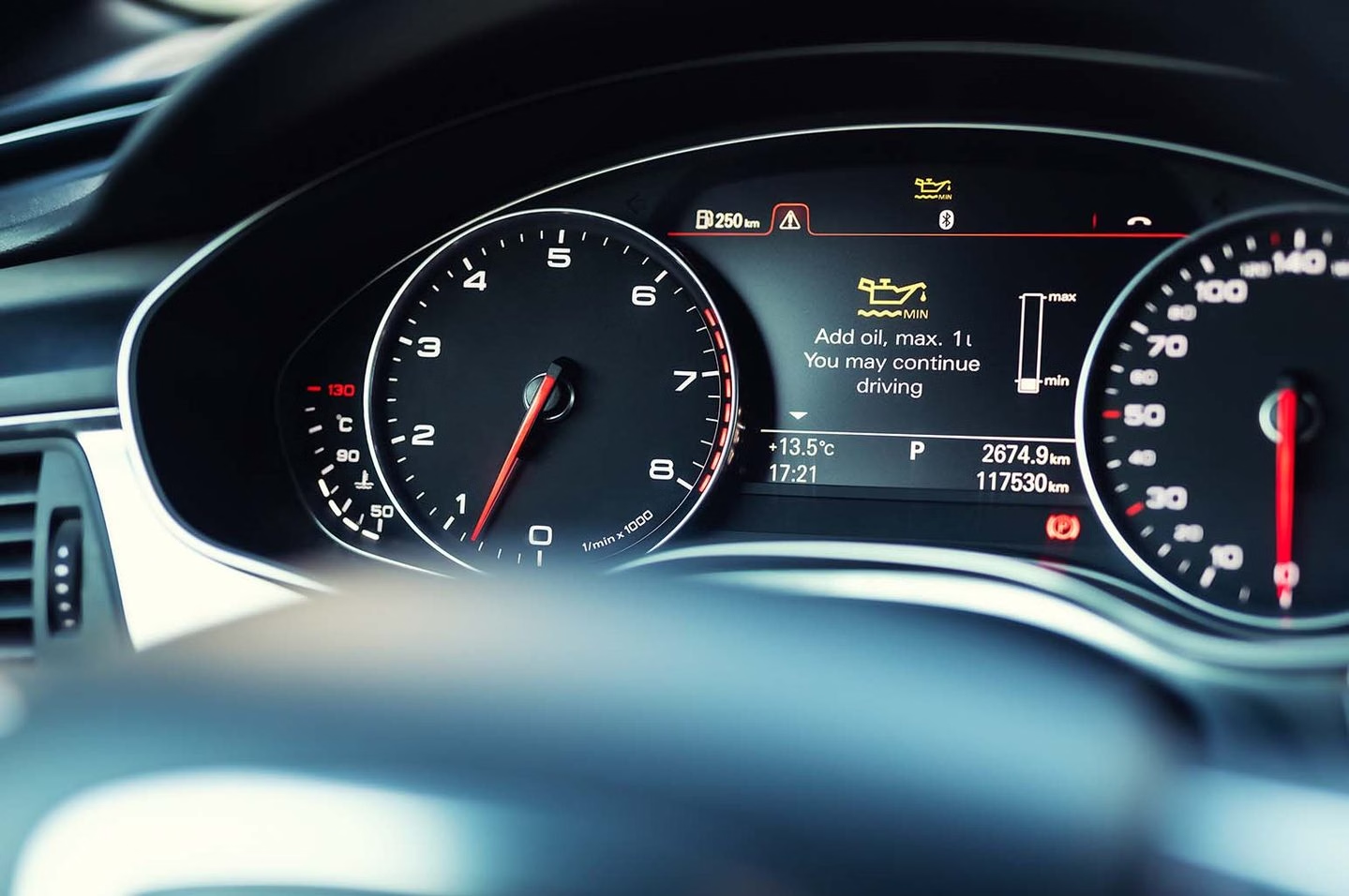
A dashboard light doesn’t always mean pull over immediately, but it does mean pay attention. The check engine light can be triggered by anything from a loose gas cap to a misfire, fuel trim issue, or evaporative emissions fault. The light itself is only the beginning of the story.
A flashing check engine light is more urgent than a steady one because it can indicate active misfire severe enough to damage the catalytic converter. Oil pressure and temperature warnings also deserve immediate caution. Continuing to drive in those conditions can turn a manageable repair into engine damage.
Modern vehicles store diagnostic trouble codes, but codes don’t equal complete answers. They point to a system or circuit, not automatically the failed part. Accurate diagnosis depends on testing, scan data, and sometimes a road test under the conditions where the symptom appears.
Cheap Maintenance Can Save You From Expensive Downtime
The most cost-effective repair is usually the one you never need because routine service prevented the failure. Fluid exchanges, brake inspections, battery testing, belt checks, and cooling system service don’t feel dramatic, which is exactly why they get postponed.
The cooling system is a good example. A neglected coolant issue can start with a small leak or aging hose and end with overheating, warped components, or a stranded vehicle. Battery weakness can seem minor until a hot afternoon or cold morning exposes it all at once.
Think about downtime as part of the cost. Missing work, rescheduling errands, arranging a tow, or being stuck without transportation often hits harder than the repair line item itself. Preventive maintenance protects your schedule almost as much as it protects the car.
A Better Relationship With Your Shop Leads To Better Outcomes
Drivers often walk into a repair visit feeling like they need to defend themselves or brace for bad news. That mindset makes the process harder. A stronger approach is to show up with clear notes: mileage, recent work, when the issue happens, and whether it’s getting worse.
Ask specific questions. What failed? What testing confirmed it? Is this urgent, near-term, or something to monitor? Are there related components with similar wear? Those questions help you understand priorities without turning the visit into a debate.
If your vehicle is older or has high mileage, maintenance decisions become more strategic. You’re balancing reliability, resale value, and repair economics. The goal isn’t perfection. It’s making smart calls early enough that your car stays dependable instead of becoming a series of expensive surprises.
The Real Upgrade Is Paying Attention Sooner
Most major repair stories begin with something small that felt easy to ignore. A new sound. A delayed start. Slightly softer brakes. A warning light that came and went. None of those details guarantee disaster, but they do create a pattern worth respecting.
If you track your maintenance, notice changes in behavior, and respond before symptoms pile up, you give yourself options. That means more control over timing, budget, and safety. Car ownership gets cheaper and less stressful when you treat routine attention as part of the job.
You don’t need to become a technician to be a smart driver. You just need better habits than waiting for a breakdown.

