

A good dog walk should be something you and your dog look forward to—not a constant struggle with pulling, slipping gear, or uncomfortable straps. The right walking equipment can make a big difference in how secure and comfortable your dog feels, but choosing the best setup involves more than picking a harness off the shelf. Your dog’s size, shape, age, walking habits, and environment all play a role. With the right fit, thoughtful gear, and consistent training, you can make everyday walks safer, calmer, and more enjoyable for both of you.

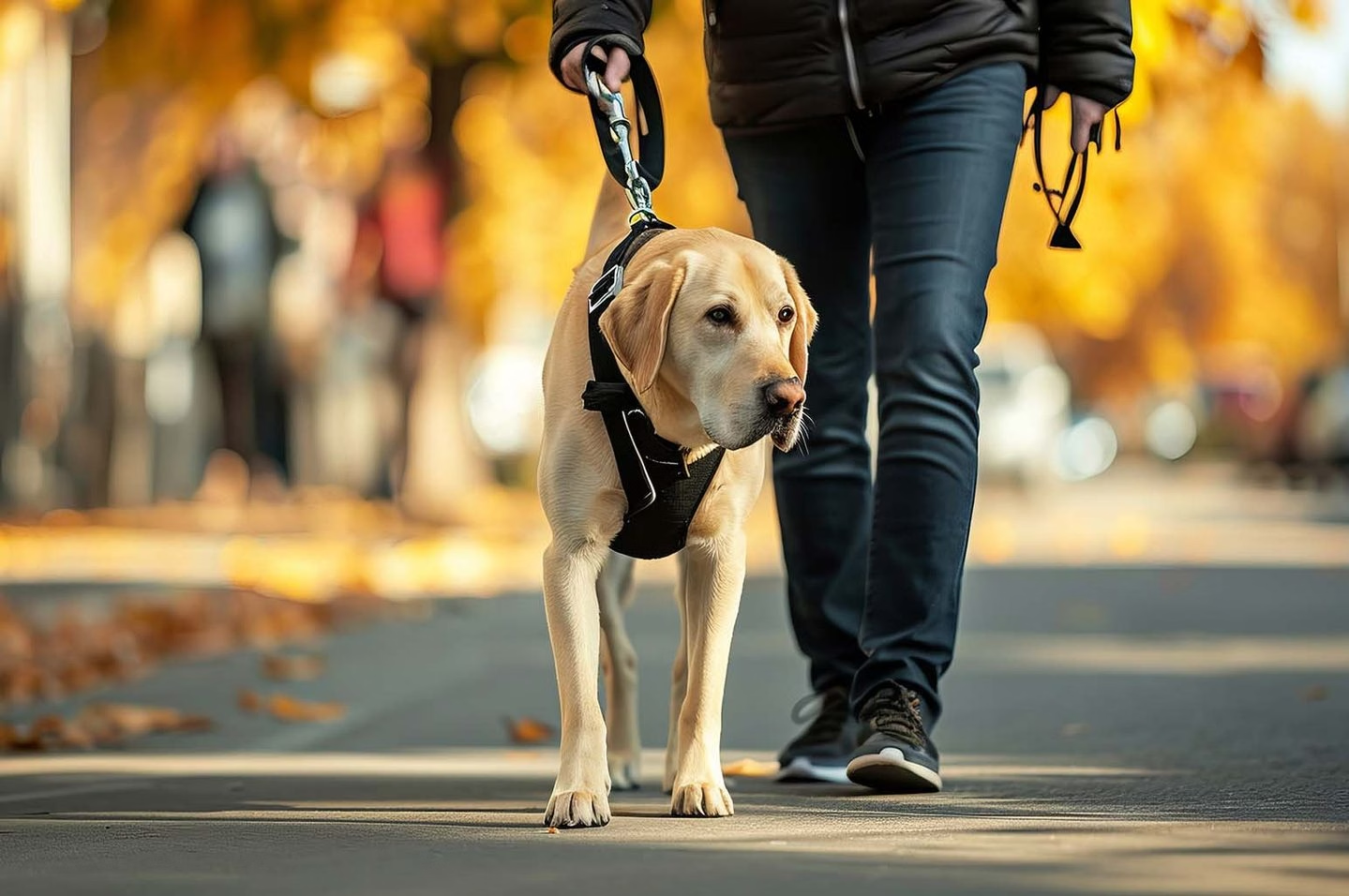
Daily walks are more enjoyable when your dog feels secure, can move naturally, and understands what you expect on the leash. A well-chosen dog harness can support comfort and control, but the right setup depends on your dog’s build, health, behavior, and usual walking environment.
Gear is only one part of a safe walk. A harness or collar should not pinch, rub, slide toward the throat, or interfere with a normal stride. Just as importantly, equipment works best when paired with patient handling and consistent training.
Why Walking Gear Matters
Walking gear connects you and your dog, so it should promote secure handling without causing unnecessary discomfort. The best choice is rarely based on appearance alone. Consider how your dog moves, whether they pull, how easily they become distracted, and whether they have physical needs that affect comfort.
Start With Your Dog’s Needs
Begin with the dog in front of you, not a general size label. Small dogs may benefit from lightweight materials and several adjustment points. Large, strong dogs need dependable stitching, secure hardware, and a fit that remains stable when they turn or pull.
Flat-faced dogs, puppies, seniors, and dogs with neck discomfort may need extra consideration. Puppies require frequent fit checks as they grow, while older dogs may be more comfortable with soft contact points and easy-to-manage fasteners. For dogs that back out of standard equipment, look for a secure design and test it carefully before relying on it outdoors.
Measure for a Better Fit
Weight can be a useful starting point, but it is not enough to determine harness size. Measure around the widest part of the rib cage, usually behind the front legs, and around the base of the neck where it meets the shoulders. Then compare both numbers with the manufacturer’s sizing guidance. Guidance on measuring and fitting a harness also emphasizes a snug fit that still allows normal movement.
- Have your dog stand naturally on a level surface.
- Use a flexible tape or a string that can be measured afterward.
- Record the chest and neck-base measurements before shopping.
- Adjust the harness after putting it on rather than assuming the first setting is correct.
- Recheck after grooming, noticeable weight changes, or seasonal coat changes.
Check Movement and Comfort
Do a short movement test before a longer outing. Let your dog walk forward, turn, sit, and lie down. Watch whether the front legs can reach forward freely and whether straps drift into the armpit or throat area.
After walks, look beneath the harness for redness, damp spots, missing fur, or other signs of rubbing. Gently pull the harness in different directions and see whether your dog can create enough space to back out. A secure fit should not be painfully tight, but it should not leave a simple escape route.
Choose the Right Clip Style
Leash attachment placement can change how a harness feels and handles. No single option is right for every dog.
- Back-clip harnesses are straightforward and may suit dogs that already walk with a loose leash.
- Front-clip harnesses can redirect forward pulling and may be useful during training.
- Dual-clip harnesses give handlers flexibility as a dog’s skills or walking conditions change.
- Three-point designs can add security for dogs that frequently reverse or slip free.
Whatever style you choose, fit is still the priority. Veterinary guidance on controlling pulling during walks emphasizes avoiding chafing, preserving shoulder movement, and preventing backward escapes.
Reduce Pulling With Training
A harness can help with handling, but it does not teach loose-leash walking on its own. Start in a quiet area where your dog can focus. Reward them when the leash is loose, then stop or calmly change direction when tension begins. Resume walking when your dog reconnects with you.
For example, if your dog pulls toward every squirrel, avoid turning the moment into a tug-of-war. Pause, wait for a glance or a step back toward you, reward that calm choice, and continue when the leash relaxes. Build up to busier routes gradually.
Improve Safety in Different Settings
Walking conditions should influence the gear and routine you use. On city streets and busy sidewalks, keep your dog close enough for predictable control near traffic and other pedestrians. In parks and on trails, review local leash rules and inspect clips, straps, and identification before setting out.
For low-light walks, add reflective details or a visible light. In warm weather, bring water for longer outings and adjust the route, pace, or timing if heat makes the walk uncomfortable. Pay attention to your dog’s willingness to continue rather than treating every walk as a fixed-distance task.
Build a Simple Walking Kit
A practical walking kit should solve real needs without becoming cumbersome. Keep the essentials together near the door:
- A correctly fitted harness or collar and a sturdy leash.
- Current identification is attached securely.
- Waste bags for responsible cleanup.
- Small treats for rewarding calm leash behavior.
- Water for extended walks or warm conditions.
- A reflective accessory or light for evening outings.
Inspect and Replace Gear
Check gear regularly, especially after muddy, wet, sandy, or high-activity outings. Look for frayed webbing, loose stitching, cracked buckles, damaged clips, and fading reflective material. Clean the equipment according to its care instructions, dry it thoroughly before storage, and replace it if it sustains significant damage.
Final Walking Checklist
- Does the harness fit securely without pinching?
- Can your dog move every leg freely?
- Are the buckles, rings, clips, and leash in good condition?
- Is the leash appropriate for the location?
- Does your dog have current identification?
- Do you need treats, water, waste bags, or a light?
- Is the weather suitable for the planned walk?
- Does your dog seem comfortable and ready to go?
Conclusion
Safer dog walks start with a secure fit, simple equipment, and steady practice. Choose gear that supports natural movement, check it often, and give your dog clear opportunities to succeed on a loose leash. With thoughtful preparation, everyday walks can become calmer, safer, and more comfortable for both of you.

