
Water leaks in the home are more common than most homeowners realize. These problems often develop out of sight and can go unnoticed until substantial damage has already occurred. Addressing water leaks early, or even better, preventing them altogether, ensures your house, possessions, and finances are protected in the long run.
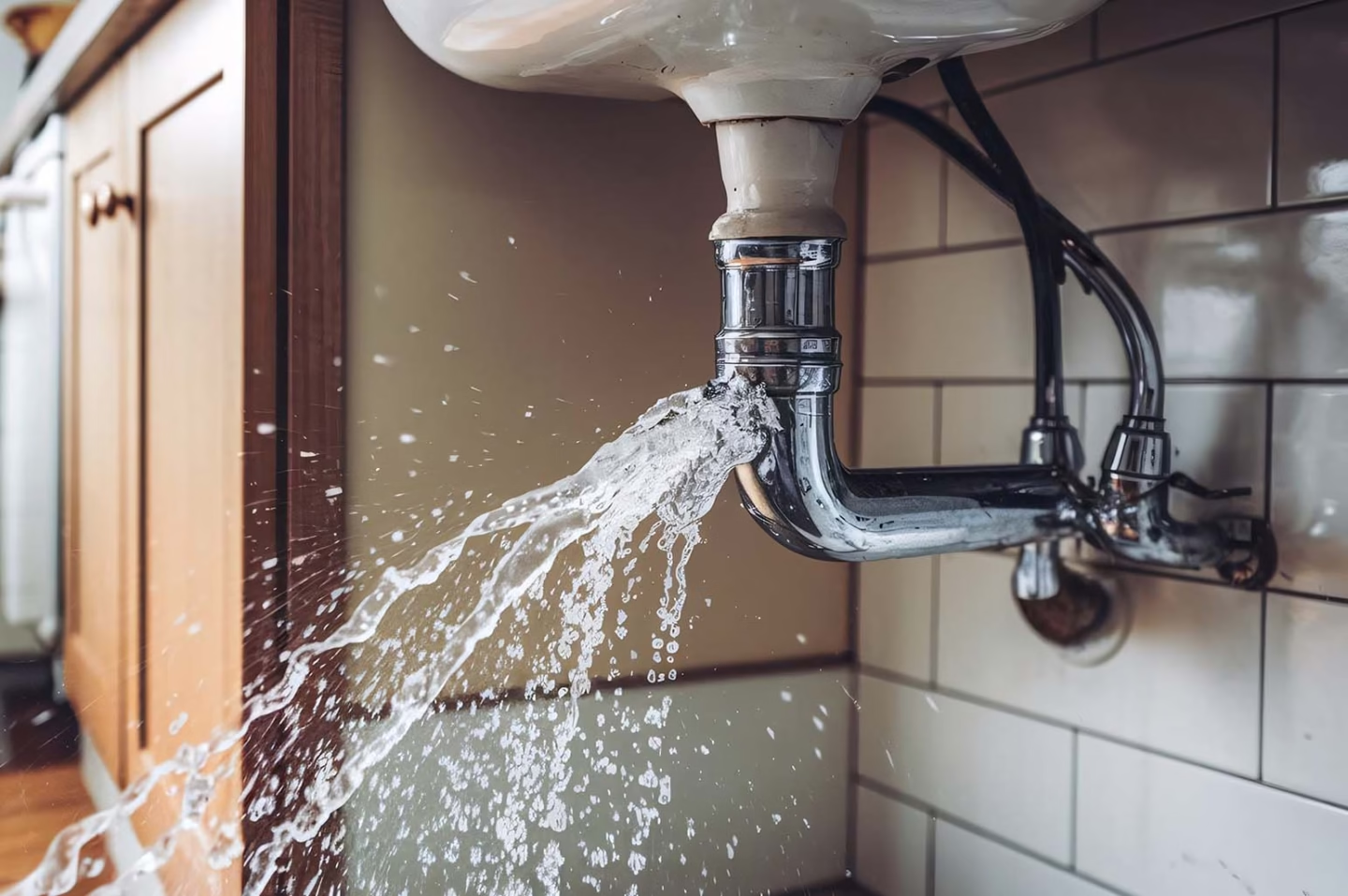
Taking proactive steps such as regular inspections, upgrading fixtures, and using advanced technologies is key to safeguarding your property. For residents who want additional peace of mind or need help with detection, expert SAWS water meter link repair can quickly identify and resolve issues.
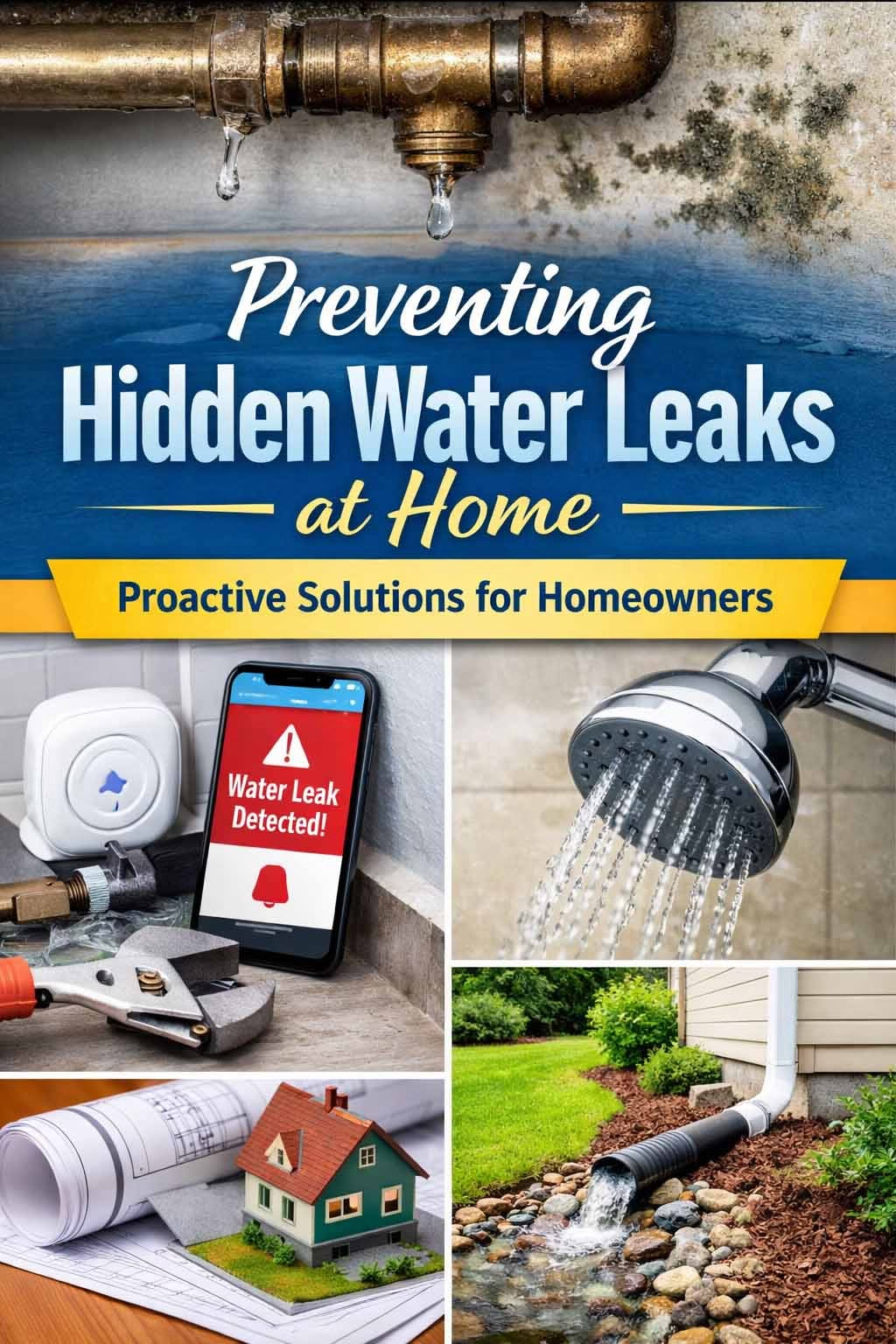
Many homeowners underestimate the potential consequences of neglected leaks. Mold growth, structural damage, and skyrocketing utility bills are just some of the risks that come with ignoring the early warning signs. By adopting comprehensive preventative strategies, you’ll not only protect your home but also avoid the hassle and high costs of major repairs. This guide highlights essential methods and modern solutions for preventing hidden leaks and maintaining a dry, safe living environment. The more informed and prepared you are, the greater your home’s long-term resilience.
Regular Inspections and Maintenance
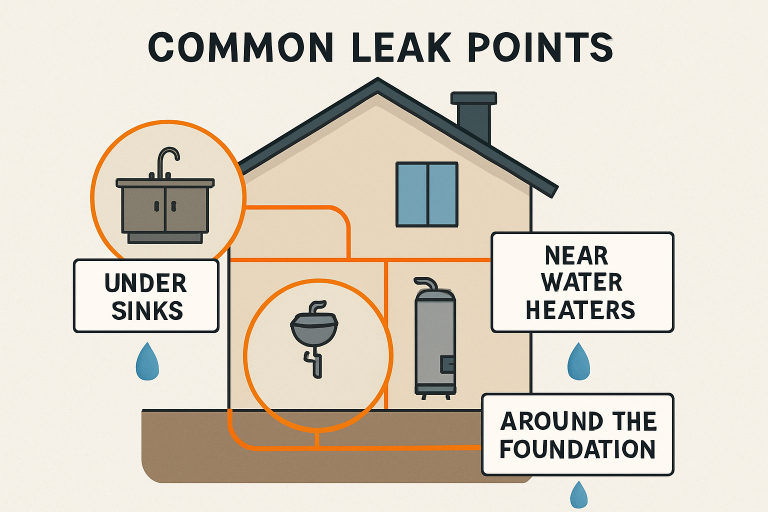
Staying ahead of water leaks begins with a regular inspection schedule. Every few months, inspect visible pipes, joints, faucets, and fixtures for any signs of corrosion, drips, or mineral buildup. Areas commonly affected by hidden leaks include under kitchen and bathroom sinks, behind toilets, around washing machines, and beneath water heaters. Catching issues early can prevent a small leak from becoming a serious incident that damages flooring, carpentry, or insulation. Proactive maintenance, such as tightening fittings or replacing worn-out washers, goes a long way in reducing long-term risks. According to the Environmental Protection Agency (EPA), household leaks can waste nearly 10,000 gallons of water every year, emphasizing the benefits of routine checks.
Upgrading to Water-Efficient Fixtures
Modern plumbing fixtures are designed to use less water without sacrificing performance. Switching to low-flow faucets and showerheads not only reduces daily water consumption but also lowers pipe pressure, minimizing stress and reducing the risk of leaks at joints. Dual-flush and high-efficiency toilets also limit the amount of water that flows through your home’s plumbing. According to Consumer Reports, upgrading to water-efficient toilets alone can save thousands of gallons of water per household annually. While these upgrades require an initial investment, they save money in the long run and make your home more appealing to future buyers.
Installing Smart Leak Detection Systems
With advancements in home technology, smart leak detection systems have emerged as an effective safeguard against hidden water damage. These WiFi-enabled devices monitor high-risk areas such as basements, kitchens, and bathrooms for signs of moisture or unusual water flow. As soon as a leak is detected, you receive an instant alert on your smartphone, allowing you to act before the damage escalates. Some systems can even automatically shut off the water supply to prevent further issues, while others track temperature and humidity to help anticipate problems. Integrating these systems builds an extra layer of protection and is especially beneficial for vacation homes or residences left unoccupied for long periods.
Landscaping and Drainage Solutions
Preventing hidden leaks isn’t limited to the interior of your home. Controlling water flow around your property is vital to prevent water from collecting near your foundation or from leaking into basements and crawl spaces. Maintain a healthy slope away from your house whenever possible. Properly installed downspouts that extend at least 3 feet from the foundation can divert water away from vulnerable areas. Gutter guards also help by minimizing debris buildup, reducing overflow, and lowering maintenance requirements. Native landscaping choices and French drains can further mitigate water pooling issues. These solutions not only guard your foundation but also enhance curb appeal and overall property health.
Understanding Insurance Coverage
Water damage is one of the most common causes of homeowners’ insurance claims. However, standard insurance policies often do not cover water damage resulting from gradual leaks, sewer backups, or flooding. This can leave many families vulnerable to unexpected repair costs. Reviewing your current home insurance and asking your agent about special endorsements, such as water backup coverage or flood insurance, can help you make more informed financial decisions. The Insurance Information Institute recommends all homeowners periodically check their policies and consider additional protection for peace of mind. Knowing your coverage details ensures you’re not caught off guard should a leak occur.
In Conclusion
Every homeowner can take action today to prevent hidden water leaks from becoming tomorrow’s disaster. With regular inspections, upgraded fixtures, smart detection, proper landscaping, and up-to-date insurance planning, you will be well-prepared to keep your property safe and dry for years to come.
