

Welcoming a newborn brings a steep learning curve, and few tasks define early parenthood as intensely as infant feeding. Whether using formula, expressed breast milk, or both, preparing bottles and cleaning parts quickly turns into a round-the-clock routine.
Managing this daily feeding cycle at home—while staying mobile for outings—requires smart gear that simplifies the workload and keeps your kitchen organized.

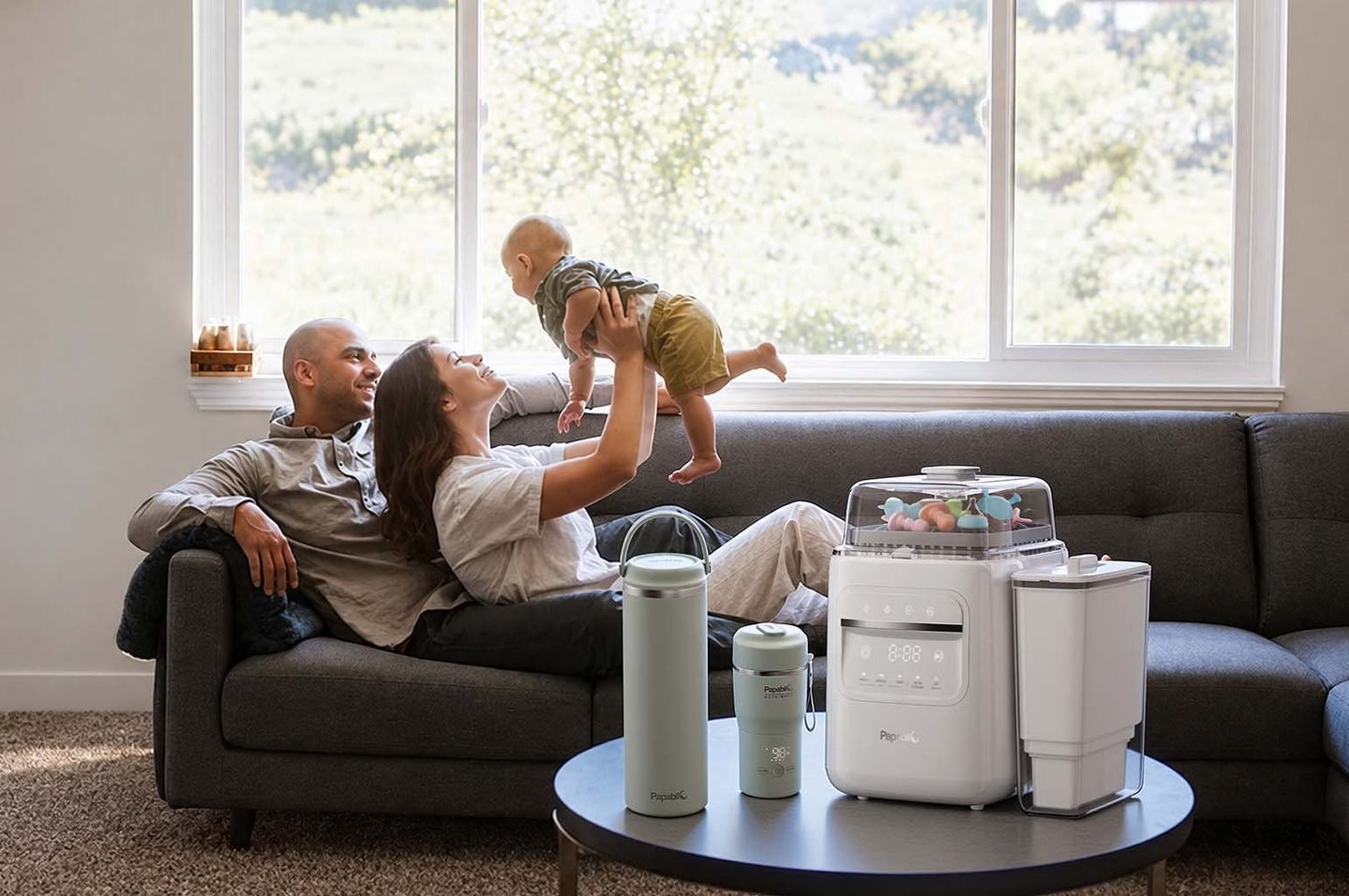
The Multi-Stage Reality of Newborn Feeding
In the early months, infants feed 8 to 12 times a day. Every feed involves three continuous steps:
- Preparation: Warming milk or measuring formula precisely.
- Administration: Feeding, pacing, and burping.
- Sanitization: Disassembling, washing, sterilizing, and drying bottles and pump parts.
Repeated daily, this workflow creates an endless cycle of kitchen tasks that compounds sleep deprivation and postpartum exhaustion. Simplifying this process gives parents back time for rest and recovery.
Why Traditional Feeding Setups Cause Bottlenecks at Home
Standard hand-washing and countertop drying racks quickly reveal their limitations under the demands of newborn care:
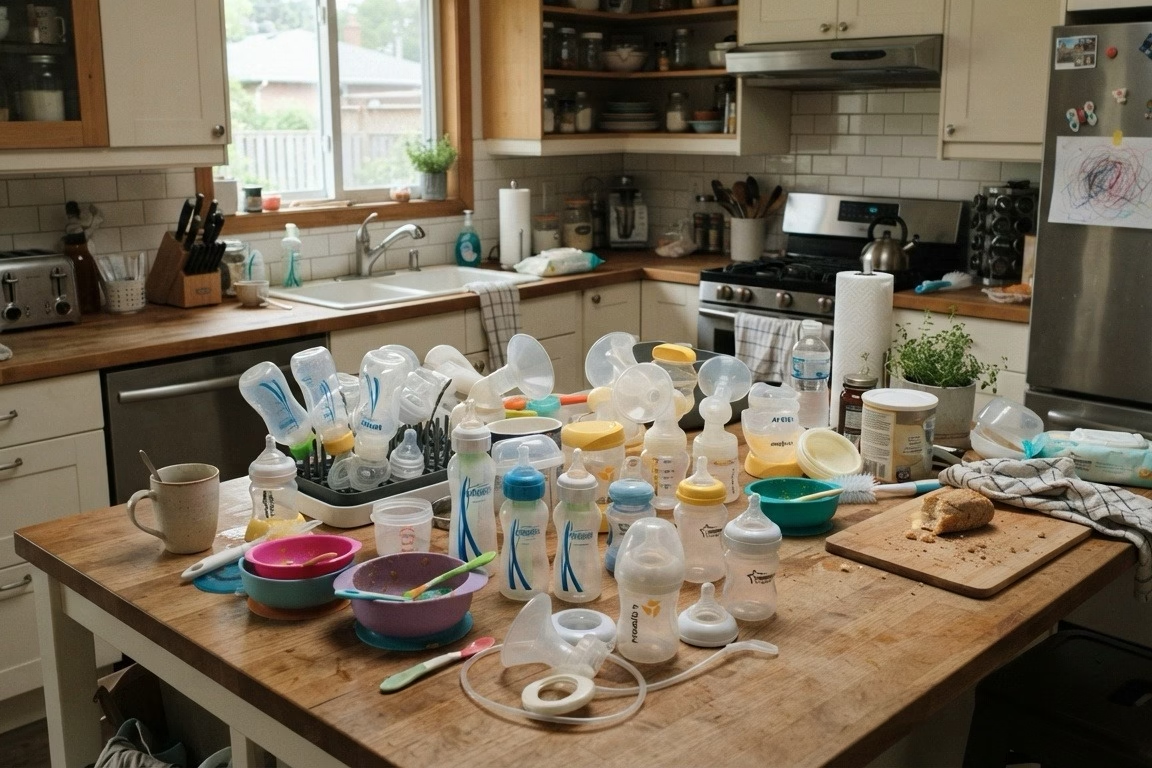
- Countertop Clutter & Air Exposure: Sink pile-ups take over the kitchen, while open-air rack drying leaves delicate parts exposed to kitchen dust and humidity.
- Hard Water & Limescale Buildup: Tap water minerals leave cloudy white spots on clear bottles and silicone nipples, requiring frequent descaling and extra scrubbing.
- Time-Consuming Manual Scrubbing: Using bottle brushes on narrow necks and small pump valves drains time—especially during middle-of-the-night feeds.

Extending the Routine: The Challenge of Feeding Outside the Nursery
Stepping outside the home introduces a new layer of feeding logistics. Whether heading to doctor visits, park outings, or family gatherings, parents must manage temperature control on the go.
Expressed breast milk and prepared formula require dependable cold storage during travel, as well as a fast, reliable way to warm bottles safely without relying on microwaves or hot tap water in public restrooms. Bridging this gap between home and outdoor environments is where standard feeding gear often falls short.
Building a Connected Feeding Station: From Countertop to On-the-Go Care
To eliminate bottlenecks both at home and on the road, modern parents are increasingly turning to fully integrated feeding systems rather than piecing together mismatched appliances. Utilizing a complete baby feeding and bottle cleaning system allows families to address washing, sanitization, storage, and portable feeding through unified, purpose-built equipment.
Automated Home Care: High-Capacity Cleaning and Purification
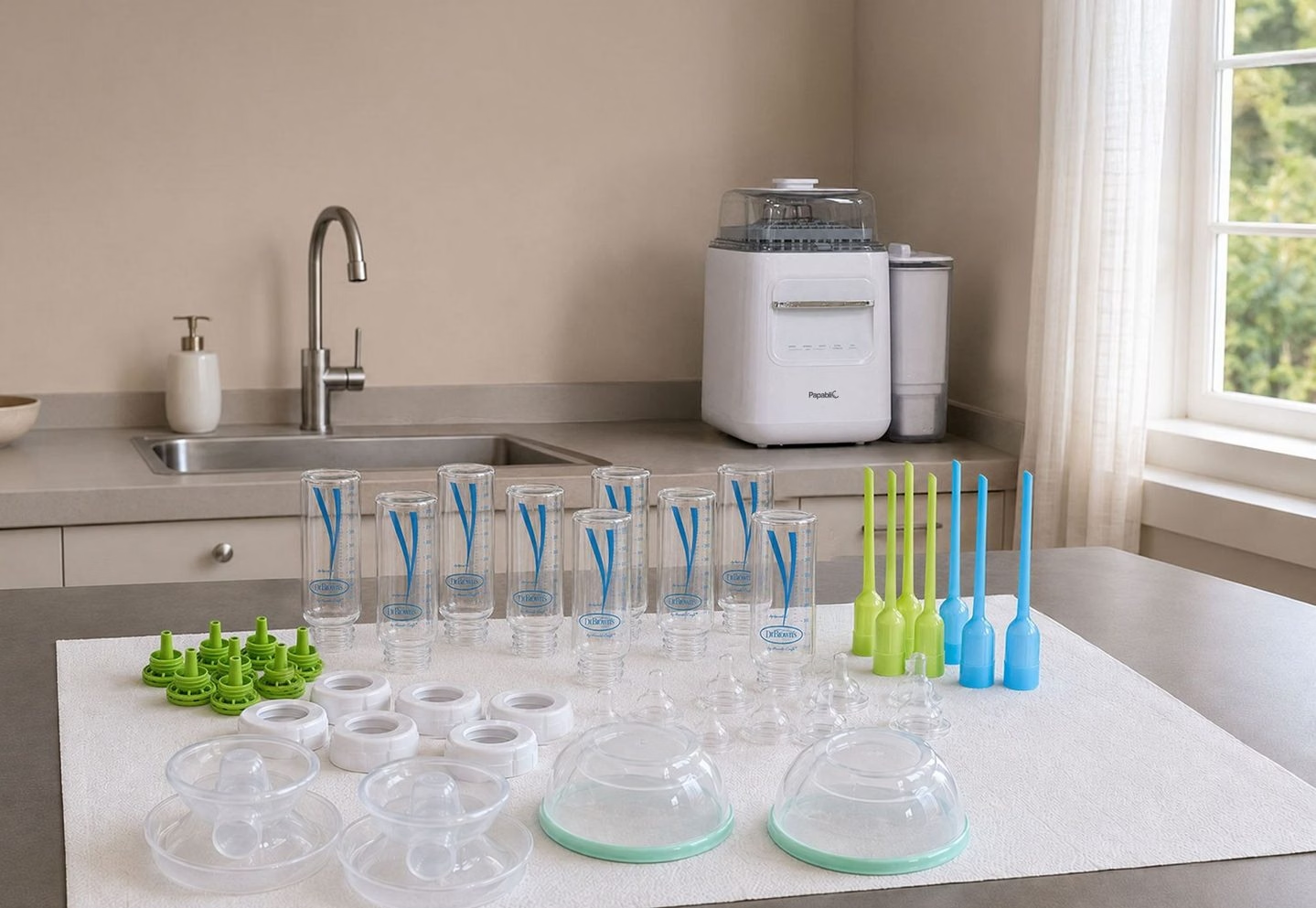
At the center of an efficient home setup is an automated bottle washer that consolidates multiple chores into a single cycle. Advanced countertop units like the Papablic SafeguardPlus™ Baby Bottle Washer System handle filtering, washing, steam sterilizing, drying, and hygienic storage automatically.
- Built-in Water Purification: Integrated filtration softens tap water and filters out heavy metal impurities like Lead and PFAS, preventing unsightly hard water spots and limescale buildup on bottles and pump accessories.
- Large Capacity for Heavy Use: Designed to hold up to 8 complete bottle sets along with breast pump parts, targeted 360° spray jets reach deep into narrow bottle bases and small valve crevices that standard dishwasher racks often miss.
- 12-Minute Fast Wash Mode: Features the fastest quick-wash cycle on the market, delivering rapidly cleaned bottles in just 12 minutes when immediate feeding needs arise.
- 72h Hygienic Storage: High-heat steam sterilization achieves a 99.99% germ reduction, while automated hot-air drying keeps components completely dry and safely stored for up to 72 hours without exposure to open-air kitchen contaminants.
- Smart Maintenance: Automated filter monitoring reminds parents when it is time to replace internal filters, ensuring consistent cleaning performance over months of daily use.

Seamless Transitions: Portable Cooler and Warmer
When leaving the house, maintaining safe milk temperatures requires reliable tools that don’t add bulk to a diaper bag.
- CapsuleChill™ Breast Milk Cooler: Instead of dealing with melting ice packs or bulky insulated bags during long errands, a compact cooler maintains stable chill temperatures for expressed milk or formula over several hours. This allows parents to travel longer distances or stay out for afternoon outings without worrying about milk spoilage.
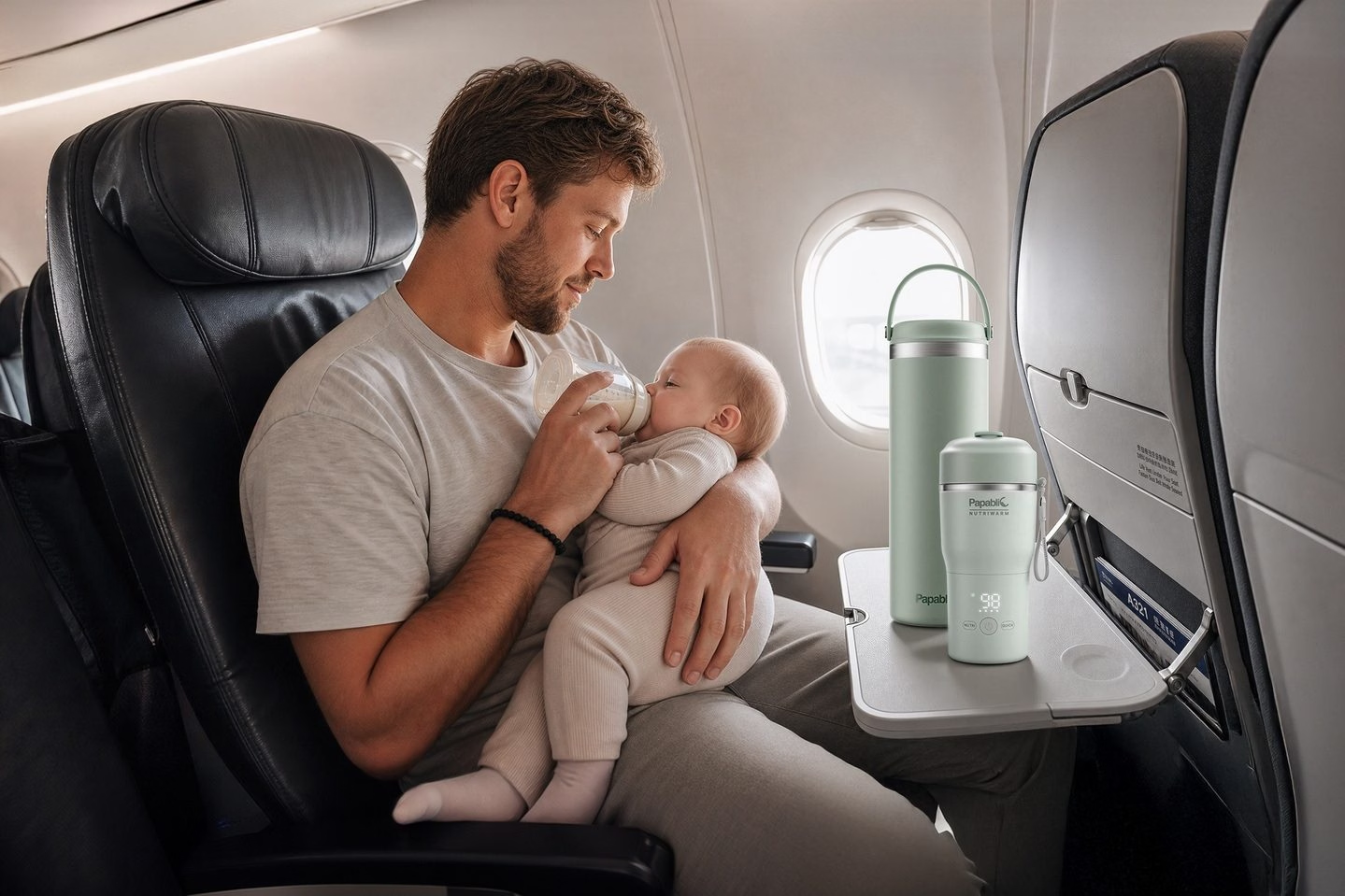
- NutriWarm™ Portable Bottle Warmer: Heating milk outside the kitchen often means asking cafes for cups of hot water or worrying about uneven warming. A cordless warmer provides a controlled, leak-proof way to bring chilled milk to feeding temperature in a few minutes, making feedings manageable whether in a park, car, or airport.

Key Factors to Consider When Streamlining Feeding Gear
When evaluating tools to upgrade your nursery and kitchen routine, keep the following criteria in mind:
- Capacity vs. Footprint: Choose appliances that maximize vertical interior space to accommodate a full day’s worth of bottles and pump parts without overwhelming your kitchen counter.
- Multi-Functionality: Prioritize systems that combine washing, sterilizing, drying, and storage. Fewer standalone appliances mean less counter clutter and fewer cords.
- Filtration and Hygiene: Ensure steam systems use clean, filtered water to protect bottle material integrity and minimize mineral maintenance.
- Portability and Power: Ensure portable warmers and coolers match your bottle materials and fit easily into standard diaper bag compartments.
Frequently Asked Questions
Can an automated bottle washer replace a standard household dishwasher for baby items?
Yes. Standard dishwashers often run long cycles, use harsh detergents, and lack targeted jets designed for deep bottle bases and silicone pump valves. A dedicated countertop bottle washer provides specialized spray coverage, water filtration, and high-heat sterilization tailored specifically for delicate infant accessories.
How does built-in water filtration help with bottle maintenance?
Tap water minerals (like calcium and magnesium) often cause white spots and scale buildup inside bottle steam sterilizers and on plastic parts. Built-in water filtration removes these impurities before washing, keeping bottles clear, reducing manual descaling, and protecting internal elements.
Is it safe to leave cleaned baby bottles in an automated washer until needed?
It depends on the system. Standard dishwashers or drying racks leave bottles exposed to ambient kitchen moisture and air contaminants. However, washers equipped with hygienic storage modes (such as 72-hour storage features) keep bottles completely dry and sanitary until the next feed.
In Conclusion
Infant feeding doesn’t have to feel like a constant battle against messy sinks and cumbersome travel prep. By upgrading from fragmented hand-washing routines to an integrated feeding ecosystem, parents can reclaim hours of daily time, maintain high standards of hygiene, and enjoy smoother transitions from the nursery to the outside world.

