

A roof leak can start quietly, with a faint mark on the ceiling, a musty smell in the attic, or a drip that appears only during heavy rain. Acting promptly can help limit damage to finishes, insulation, and belongings. The priority is always safety. Protect the inside of the home, document what you find, and avoid attempting risky roof access. Water can travel along roof decking, rafters, pipes, or insulation, so the spot where it appears indoors may not be where it entered.
If you are planning the next steps, this guide to roof leak repair can help you understand the work that may be involved.

Spot the Warning Signs
Leaks do not always produce a steady stream of water. Look for brown or yellow ceiling marks, peeling paint, soft plaster, damp insulation, mold, or a persistent musty odor. In an attic, darkened wood, wet insulation, rusted metal fasteners, and daylight visible through the roof structure all deserve attention. A stain that expands after rain is especially important to investigate.
Act Safely During a Leak
- Move furniture, rugs, electronics, and valuables away from the affected area.
- Place a bucket or waterproof container beneath active drips.
- Keep people away from a bulging, sagging, or cracked ceiling.
- Do not touch wet electrical equipment. Turn off power only if the breaker can be reached safely from a dry area.
- Take photographs and note the time, weather conditions, and rooms affected.
Never walk on the roof during rain, ice, high winds, darkness, or poor visibility. If storm damage is suspected, wait until conditions are safe and assess visible damage from the ground.
Find the Likely Source Without Climbing Onto the Roof
From inside the attic or upper floor, use a flashlight to look for moisture trails, wet rafters, damaged insulation, or damp areas around vents, chimneys, skylights, and plumbing penetrations. Follow the water marks upward where possible. Water may run some distance before becoming visible, so sealing a ceiling crack or repainting a stain will not stop the underlying leak.
Understand Common Causes of Roof Leaks
Damaged Roof Coverings and Flashing
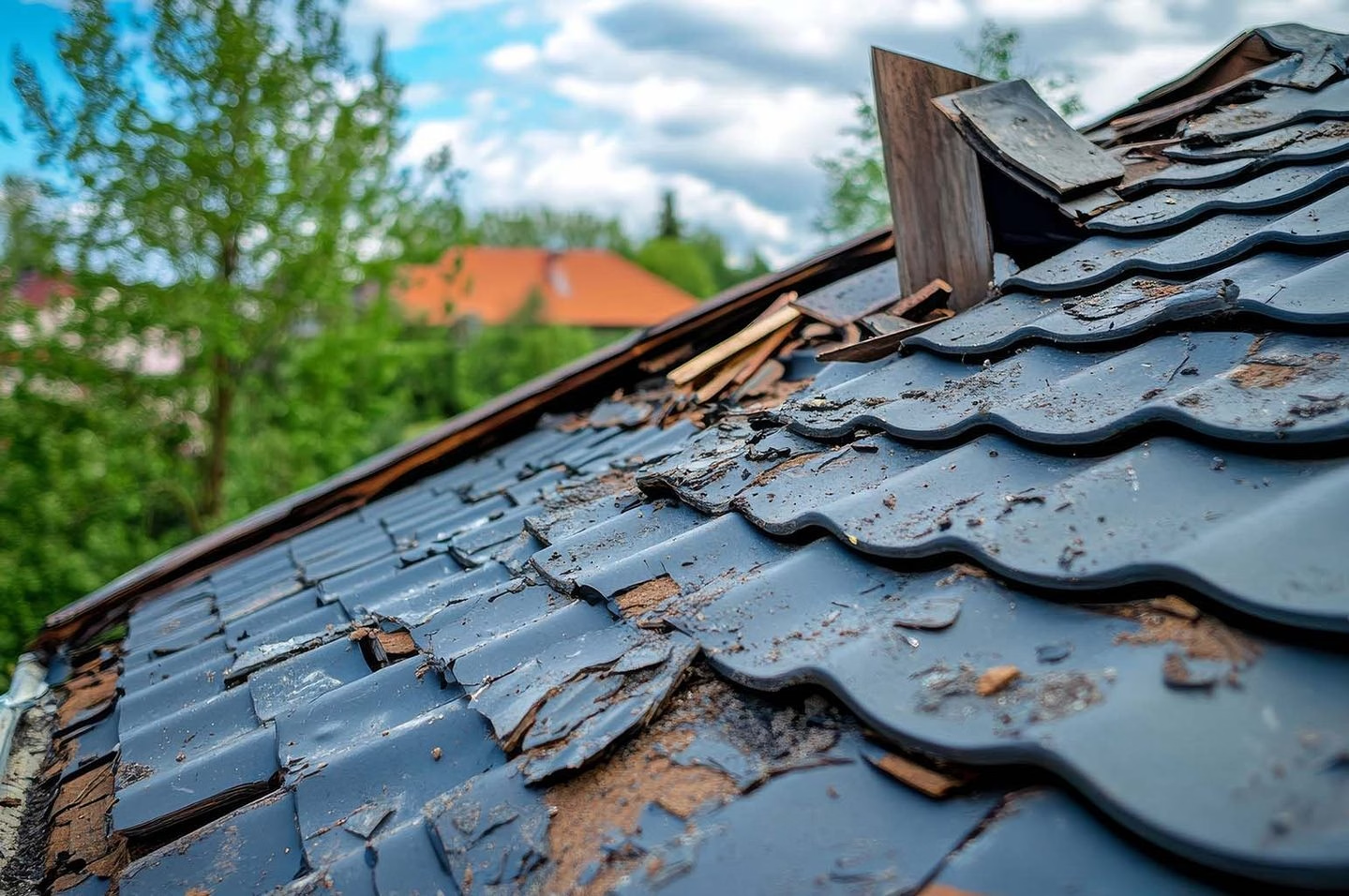
Missing, cracked, slipped, or loose shingles and tiles can allow water beneath the outer roof layer. Flashing around chimneys, skylights, walls, and vents can also fail when it cracks, corrodes, separates, or loses its seal.
Blocked Drainage and Flat Roof Damage
Leaves and debris can obstruct gutters, downspouts, and roof valleys, causing water to overflow or back up. On flat roofs, splits, punctures, failed seams, and standing water may lead to hard-to-trace leaks. Roof openings and joints often need particularly close inspection.
Use Temporary Protection Carefully
Indoors, contain water and protect floors and furnishings with towels or waterproof coverings. A roofing professional may be able to install temporary weather protection when conditions permit, but this is a short-term measure, not a substitute for correcting the defect. Moisture should be addressed quickly because the control of moisture helps prevent mold growth and further damage to affected materials.
Decide Between Repair and Replacement
One leak does not automatically mean the entire roof needs replacement. A localized repair may be appropriate when the damage is limited and nearby materials remain sound. A broader assessment is sensible when there are repeated leaks, widespread surface wear, sagging roof lines, decayed timber, persistent dampness, or several previous patch repairs.
Ask for a clear explanation of the proposed work. The contractor should identify the likely entry point, describe the repair method, and explain whether concealed damage may need to be addressed once the roof is opened.
Know What Affects Repair Cost
Costs vary with the roof material, height, slope, accessibility, location of the damage, and whether scaffolding or other safety equipment is required. Replacement of wet insulation, damaged decking, plaster, or electrical components can add to the total. Request an itemized written quote that lists labor, materials, access equipment, waste removal, payment terms, and any workmanship guarantee.
Choose a Suitable Roofing Professional
- Check relevant licensing or trade credentials required in your area.
- Confirm that appropriate insurance is in place.
- Read recent customer feedback and request examples of similar work.
- Ask who will perform the work and how the leak will be traced.
- Compare written scopes of work, not just the lowest headline price.
- Be cautious about large upfront payments or vague verbal promises.
Review Insurance and Building Requirements
Before authorizing major work, read your policy or speak with your insurer. Coverage can depend on the cause of the damage, policy terms, and maintenance history. Keep photos, inspection notes, receipts, and estimates. Contact local building officials when work involves structural changes, major roof alterations, or permits in your jurisdiction.
Reduce the Risk of Future Leaks
Check ceilings and attic spaces after severe weather, clear accessible gutters and downspouts, and trim branches that rub against the roof. Arrange a professional inspection when the roof cannot be viewed safely. After a storm has passed, the National Weather Service advises homeowners to assess property damage only after the threat has ended, while staying alert for hazards such as downed power lines and unsafe structures.
Common Questions About Roof Leaks
Can a small roof leak wait?
A contained drip may not require an emergency visit, but it should be inspected soon. Hidden moisture can continue spreading after visible dripping stops.
When is a roof leak an emergency?
Seek urgent help for active flooding, a sagging ceiling, exposed wiring, major storm damage, missing roof sections, or water entering near electrical equipment.
Should interior repairs happen first?
No. The water source should be located and corrected before repainting, replastering, or replacing damaged finishes.
Conclusion
A prompt, calm response can keep a roof leak from becoming a much larger problem. Protect the interior, avoid unsafe roof access, document the damage, and arrange a proper inspection so the actual source can be repaired rather than merely covered up.

