

If you’re dreaming about a wedding with vineyard views, mountain air, and a setting that feels polished without being stiff, Virginia deserves a serious look. The state’s wine country stretches across scenic regions with venues that blend hospitality, food, and event design in a way that feels naturally romantic. You get the charm people want from destination-style weddings, but with practical logistics that are often far easier to manage.

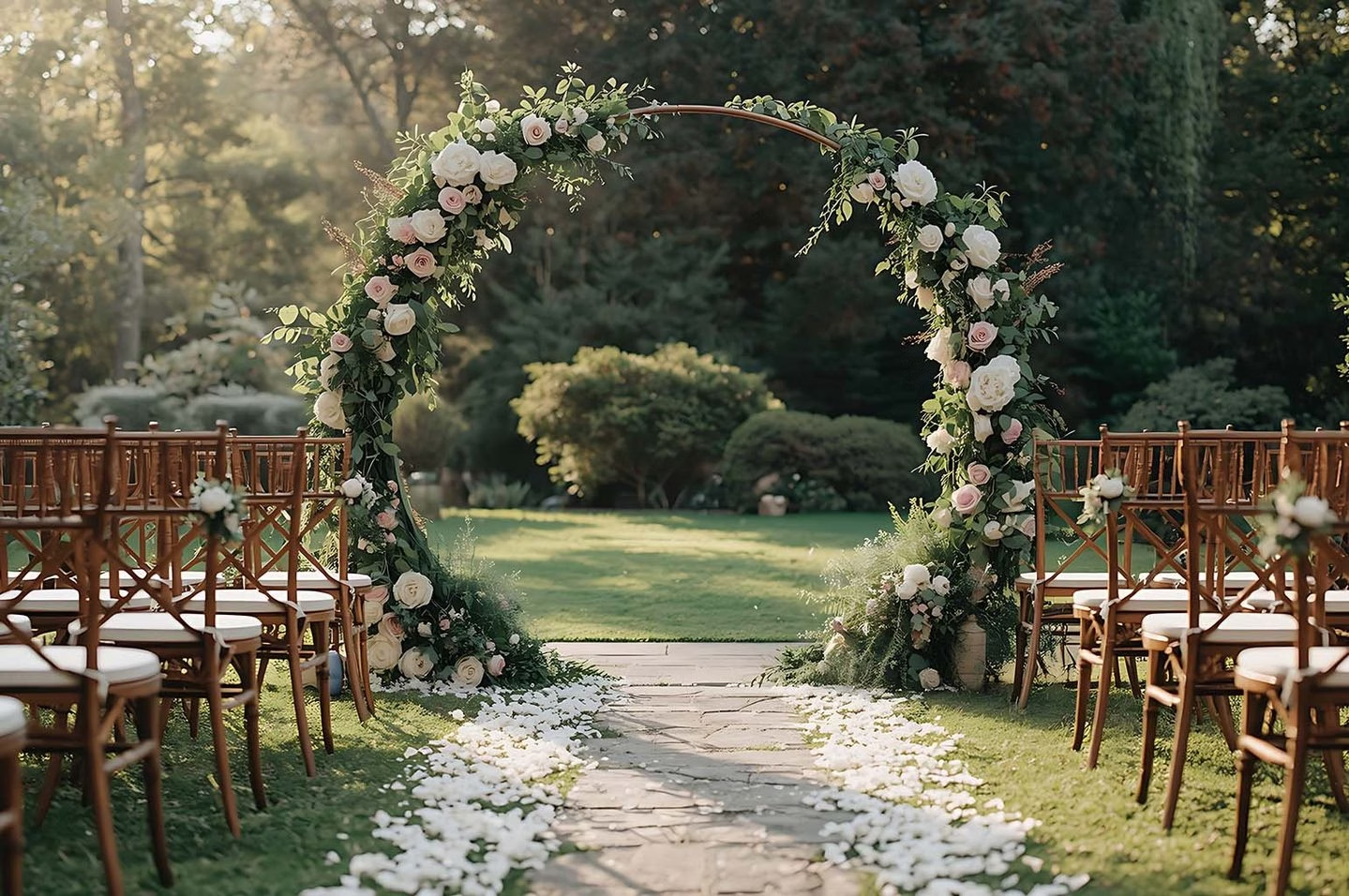
Choose a Venue That Matches Your Guest Experience Goals
The prettiest venue on your Pinterest board may not be the one that works best in real life. Start by thinking about how you want people to feel from arrival to the last dance.
Do you want an intimate celebration where everyone lingers over dinner? A larger event with dramatic views and a high-energy reception? A weekend feel with room for rehearsal events, getting-ready space, and on-site coordination support?
If you’re considering a Virginia winery wedding, Nicewonder Farm & Vineyards is one example of a venue built around that full experience. It’s located in Bristol, Virginia, and offers wedding settings that combine vineyard scenery with refined event spaces. The property is known for its scenic backdrop, polished service, and thoughtful hospitality, which matters when you want the day to feel seamless rather than patched together with group texts and wishful thinking.
Know What Makes a Winery Wedding Different
A winery wedding isn’t just a standard ceremony with grapevines in the background. The venue itself shapes the mood, the timeline, and even your guest experience.
You’re usually working with a setting that already has built-in atmosphere: landscaped grounds, tasting rooms, mountain views, and reception spaces designed to feel inviting rather than generic. That can reduce how much decor you need, which is great for your budget and your stress level.
At the same time, winery venues often come with operational details you need to respect. Think event timing, alcohol service rules, outdoor ceremony backup plans, and guest transportation. Romance is nice. A rain plan is nicer.
If you approach the venue as both a celebration space and a working hospitality business, your planning decisions get sharper fast.
Ask Better Questions on Venue Tours
A venue tour can make everything look effortless. That’s the trap. What you need are answers that reveal how the place actually functions on a wedding day.
Bring a short list of practical questions:
– How many events happen on the same day?
– What is included in the rental fee?
– Is there an indoor backup ceremony space?
– How does setup and breakdown work?
– Are tables, chairs, and linens included?
– What are the catering and bar policies?
– Is there a sound cutoff time?
– Who manages the timeline on the day itself?
Also ask where couples usually run into issues. Good venue teams have heard it all, from weather delays to missing boutonnières to the DJ arriving at the wrong entrance. Their answers tell you a lot.
You’re not being difficult. You’re doing quality control in formalwear.
Build Your Budget Around Priorities, Not Pressure
Wedding budgets get weird fast because every category feels important. At a winery venue, a lot of value comes from focusing your money on the parts guests actually notice.
Usually, that means:
– Food and beverage quality
– Comfortable seating and flow
– Strong photography coverage
– Reliable coordination
– Clear audio for the ceremony and toasts
People will remember if they couldn’t hear your vows. They will not remember the exact shape of your charger plates.
A winery setting often lets you scale back on heavy decor because the landscape and architecture already do some of the visual work. Use that to your advantage. Put more of your budget into service, timing, and guest comfort.
If your total number starts creeping upward, review each line item and ask one question: does this improve the experience, or just fill space? That edit alone can save you from expensive filler.
Design a Timeline That Feels Smooth for Everyone
A beautiful wedding can still feel chaotic if the timeline is clunky. Winery weddings especially benefit from pacing that fits the setting.
For example, guests tend to enjoy a natural transition from ceremony to cocktail hour when they can move through scenic outdoor areas or gathering spaces without confusion. That means signage, staff direction, and realistic timing matter more than couples often expect.
A smart timeline usually includes:
– Extra buffer for hair and makeup
– Travel time between getting-ready and ceremony spaces
– A few quiet minutes before the ceremony
– Enough cocktail hour coverage for photos
– A reception start time that doesn’t leave guests wondering what’s happening
Talk through sunset timing with your photographer too. Vineyard light can be stunning, and those golden-hour portraits are worth protecting on the schedule.
A rushed wedding day feels like an inbox with legs. You want flow, not frantic clicking.
Keep Your Guest Logistics Simple and Clear
Guests love a scenic wedding. Guests do not love confusing directions, unclear parking, or long stretches of standing around holding a gift bag and pretending they’re fine.
Start with the basics in your wedding website or invitation details:
– Exact venue name and address
– Arrival time versus ceremony start time
– Parking instructions
– Dress code guidance for outdoor areas
– Weather-related advice
– Accessibility information
If your venue has hills, gravel paths, or lawn ceremony areas, say so directly. That helps people choose footwear and plan comfortably.
For out-of-town guests, include a short note about nearby dining, local attractions, and travel timing. Keep it useful, not overwhelming. You’re not building a dissertation on regional infrastructure.
When guest communication is handled well, the whole day feels more polished. Small details create that effect, even when nobody says it out loud.
Use the Setting Well Instead of Overdecorating It
One of the biggest mistakes couples make at scenic venues is trying to out-design the scenery. You usually don’t need to.
A winery already gives you texture: vines, views, architectural details, and often a naturally elegant color palette. Instead of piling on decor, choose a few elements that work with the space.
Good options include:
– Ceremony florals that frame the view without blocking it
– Candlelight or soft reception lighting
– Menus and signage with clean, readable design
– Lounge areas only if they serve a real purpose
Keep your palette grounded in the environment rather than fighting it. Soft neutrals, greens, muted blues, warm whites, and rich seasonal tones usually photograph well in vineyard settings.
This approach also helps with budget control and setup efficiency. Less clutter means cleaner visuals, easier movement, and fewer things to manage when the day gets busy.

