
Small collections have a sneaky way of making a home feel more personal. One little box can remind you of a trip, a holiday, or a person you love. Before long, you’ve got a shelf full of tiny treasures and a very good reason to dust more often. If you’ve been curious about starting a trinket box collection, the good news is that you don’t need expert knowledge or a giant budget. You just need a little direction, a good eye, and room for a few charming surprises.
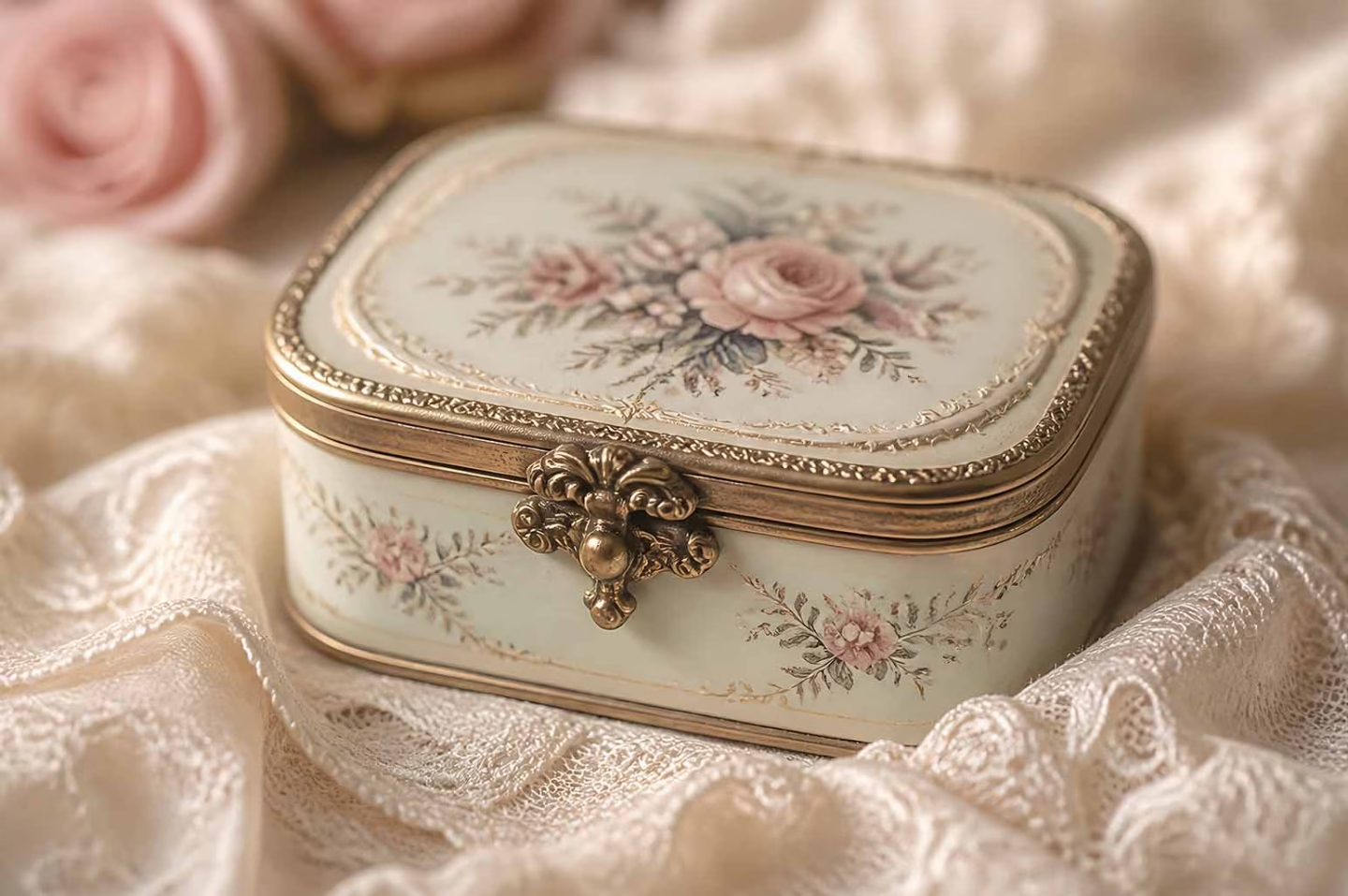
Why People Love Collecting Trinket Boxes
People collect trinket boxes for the same reason they save postcards, holiday ornaments, or old family recipes. The pieces feel meaningful. They’re small, decorative, and often tied to memories. Some people love the artwork. Others enjoy the hunt.
If you’re just getting started, it helps to explore different designs before you buy your first few pieces. You might browse all Limoges boxes to see how wide the range can be, from floral styles to playful shapes that look like tiny sculptures with lids.
That variety is part of the fun. A collection doesn’t have to be serious to be special. In fact, the best collections usually reflect your personality. If a box makes you smile, that matters. You’re not building a museum wing. You’re choosing objects that make everyday spaces feel a bit more interesting.
Find Your Collecting Style
The easiest way to avoid a cluttered look is to choose a loose theme. That doesn’t mean every box has to match like a school uniform. It just means your collection should have some kind of thread running through it.
You could focus on:
- flowers and garden designs
- animals and birds
- holiday or seasonal pieces
- travel-inspired themes
- soft pastel colors
A theme gives your collection shape. If you love coastal decor, beachy or nautical pieces will probably feel more natural in your home than random holiday boxes. If you adore cottage style, floral and fruit shapes may fit right in.
You can also collect by memory. Maybe you choose one box for each trip, birthday, or family milestone. That creates a collection with a story, and stories always beat random shopping. Your shelf should feel charming, not like a gift shop had a yard sale.
Recognize Quality and Craftsmanship
You don’t need to become an antique detective with a magnifying glass and dramatic music. Still, it helps to know what to look at before you buy. Start with the basics.
First, check the finish. A hand-painted piece often has lovely little details that make it feel alive rather than factory-flat. Look at the colors, edges, and tiny accents. You want something that feels carefully made.
Then check the hinge and clasp. Open and close the box gently. It should feel secure, not wobbly or strained. Also look for chips, cracks, fading, or repairs. Small signs of age aren’t always bad, but damage should match the price.
Size matters too. Some people imagine dramatic display shelves, then accidentally buy boxes so tiny they disappear next to a candle. Others buy larger pieces that overwhelm the space. Keep an eye out for maker’s marks or artist signatures, especially if collectible value matters to you. You just need to notice more than the average rushed shopper.
Create an Eye-Catching Display
A beautiful collection deserves more than being tucked in a drawer like secret candy. Displaying your boxes thoughtfully makes the collection feel intentional and keeps you from forgetting what you own.
A glass-front cabinet is a classic choice because it protects delicate pieces while letting you enjoy them. Open shelving can also work if you keep the arrangement simple. Try grouping boxes by theme, color, or size so the display feels calm instead of crowded.
Good lighting helps more than people realize. A shelf near natural light can bring out painted details, but avoid strong direct sun that may affect delicate finishes over time. A small lamp or cabinet light can add a cozy glow in the evening.
Leave a little breathing room between pieces. When every inch is packed, your eye doesn’t know where to land. Mixing in a framed photo, a small vase, or a stack of books can help the collection feel styled instead of stuffed. Think curated corner, not tiny treasure traffic jam.
Store Your Collection Safely
Even if your boxes mostly sit on display, a little care goes a long way. These are decorative pieces, not hockey pucks, so gentle handling is the rule. Pick them up with clean, dry hands and support the base instead of tugging at the lid.
For regular cleaning, use a soft dry cloth or a very gentle brush to remove dust. Skip harsh sprays or rough scrubbing. If a box has metal details, moisture can do more harm than good, so it’s better to keep cleaning simple.
Storage matters during moves, remodeling, or seasonal swaps. Wrap each piece separately in soft tissue or cloth and place it in a sturdy box with padding around it. Don’t let pieces knock against each other. That’s a fast way to turn charming into chipped.
Also keep the collection away from damp spots, steamy bathrooms, or unstable attic temperatures. A cool, dry room is much kinder. Basically, if you wouldn’t want to nap there, your delicate collectibles probably won’t either.
Build Your Collection Wisely
Once you know your style and what details to check, shopping gets easier. It’s smart to set a budget before you start, especially because small collectibles have a sneaky “just one more” effect. One minute you’re browsing; the next minute your shelf is negotiating overtime.
Ask questions when buying in person or online. Find out about condition, size, markings, and any repairs. Compare similar pieces so you get a feel for pricing. If something seems wildly expensive, pause before jumping in.
Try not to buy only because something seems trendy or rare. The best piece is usually the one you genuinely love and will enjoy seeing every day. A collection should reflect your taste, not internet pressure.
Over time, you’ll become more confident in recognizing quality, discovering pieces that match your style, and building a collection that tells your story. Whether you collect for the craftsmanship, the memories, or simply the joy of the hunt, each new trinket box adds another small piece of character to your home. The best collections aren’t built overnight—they grow naturally, one meaningful treasure at a time.
