

Explore tips for staying active when elderly, enhancing mobility and connection through fitness and social engagement.

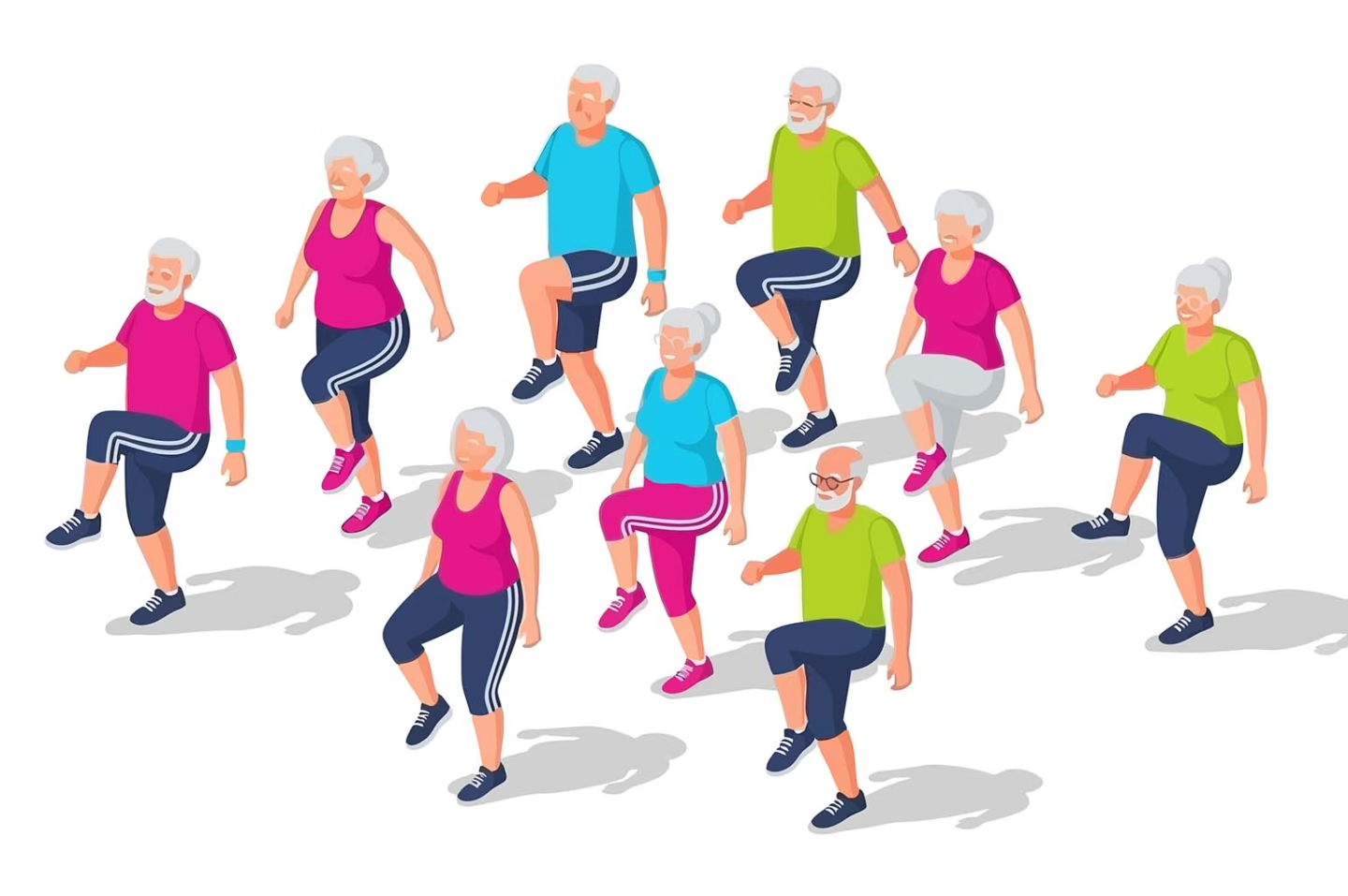
Maintaining physical health and fostering strong community connections are essential for aging gracefully. Regular exercise not only builds mobility and strength but also supports mental well-being and enhances social interaction among older adults. By joining local fitness programs, participating in group activities, and utilizing digital resources, today’s seniors can access a host of options to stay engaged and independent.
For inspiring ideas on active senior living, visit Alexandra Chipurnoi YouTube channel. Being proactive about movement and connection delivers widespread benefits for senior health. As individuals age, the likelihood of facing isolation or mobility limitations increases, but accessible exercise and social engagement relentlessly empower seniors to thrive. Proactive steps can make a remarkable difference in the energy, mood, and resilience of older adults, fueling healthier, more fulfilling lives at any stage.
Importance of Physical Activity for Seniors
Consistent physical activity is a cornerstone for maintaining independence and a high quality of life in senior years. Simple exercises that improve heart health, muscle tone, balance, and flexibility are proven to reduce the risk of chronic diseases such as diabetes, heart conditions, and arthritis, all while preserving daily functionality and confidence. The Centers for Disease Control and Prevention (CDC) emphasizes that physical activity also boosts mood and reduces anxiety, helping seniors live well and longer. For more recommendations and safety advice, see the CDC’s guide to physical activity for older adults.
Activities don’t need to be strenuous to provide meaningful health benefits. Even regular walks around the neighborhood, light gardening, water aerobics, or dancing can produce noticeable improvements in joint health and cardiovascular function. Encouraging seniors to explore a variety of activities and to listen to their bodies builds confidence and fosters a lifelong habit of movement that endures through the aging process. Customizing exercise routines to accommodate varying ability levels is key. Working with a physical therapist or fitness instructor knowledgeable about senior health can help create safe, enjoyable programs that address specific needs. By keeping goals realistic and celebrating small victories, older adults remain motivated and can gradually increase their activity levels at their own pace.
Community-Based Fitness Programs
Structured, local fitness programs are flourishing nationwide, offering seniors a spectrum of choices for staying fit and connected. Many community centers and hospitals run specialized classes targeting cardiovascular endurance, balance, strength, and flexibility. Programs like Suburban Hospital’s Senior Shape bring together older adults for group exercise and socialization, providing a supportive environment that encourages regular attendance and personal achievement. These initiatives are not just about motion; they are about connection and belonging. Senior centers and recreational facilities often host events, walking clubs, chair yoga, tai chi, and low-impact aerobics classes designed to enhance physical well-being and foster camaraderie. Participating in regular group activities enables seniors to build friendships, encouraging a sense of accountability and motivation to stay physically active. Many programs partner with local healthcare providers to create a comprehensive approach to wellness, combining fitness with nutrition workshops, health screenings, and counseling resources.

Technology in Senior Fitness
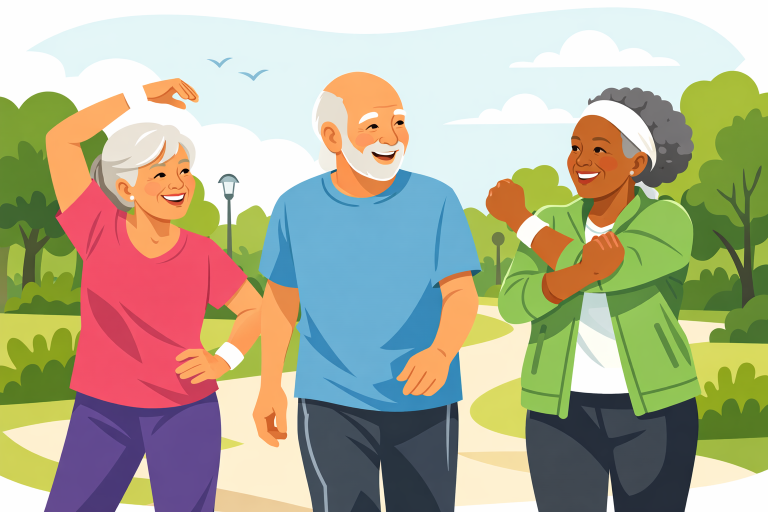
Technology now plays a vital role in modern senior wellness. Wearable fitness trackers, virtual classes, and online wellness platforms have made it much easier for older adults to create personalized fitness routines and monitor their health goals. Senior living communities have also begun integrating these tools to better support resident wellness, offering on-demand fitness videos and easy-to-use devices that track progress and help maintain motivation. For those who may be homebound or prefer exercising at home, live-streamed exercise classes and interactive fitness apps provide structure and encouragement while eliminating many barriers. Technology also connects seniors with remote personal trainers or peer groups, making support accessible even from afar. By leveraging devices that provide real-time feedback, users can track their steps, heart rate, sleep patterns, and more, gaining valuable insights that help them make informed choices about their well-being.
Mental Health Benefits of Group Exercise
Joining group exercise classes can be transformative for mental health among seniors. Social isolation is a known risk factor for depression and anxiety in older adults, and group fitness is a powerful antidote. Classes such as “A Matter of Balance” not only focus on physical fitness and fall prevention but also nurture community, build confidence, and create a sense of shared purpose. The interaction and encouragement within these groups foster friendships that extend beyond the workout itself, helping to alleviate loneliness and boost self-esteem. Connecting with like-minded peers over shared goals can provide a sense of accomplishment and lift the spirit, particularly during periods of transition or loss. Not only do group programs foster joy and laughter, but they also offer safe spaces for seniors to openly discuss their challenges and victories, forming bonds that act as a buffer against life’s stresses. Regular participation can lead to improved mood, sharper thinking, and a brighter outlook, benefits that expand well beyond the gym or studio setting.
Nutrition and Healthy Aging
Proper nutrition is a critical piece of the healthy aging puzzle. When combined with physical activity, a balanced diet rich in lean proteins, whole grains, fruits, and vegetables strengthens the body and supports long-term mobility, cognition, and disease prevention. Nutrient-dense foods not only fuel exercise but also speed recovery and support immune function, giving seniors a robust foundation for vibrant years ahead. Hydration is equally important, and older adults should prioritize consuming enough water throughout the day to support joint health, muscle function, and mental clarity. Including sources of healthy fats, such as olive oil, avocados, or fatty fish, can help protect the heart, while limiting added sugars and processed foods is essential for keeping energy levels consistent. Nutrition education workshops, cooking classes, and sharing healthy recipes within senior groups empower individuals to embrace healthful eating and make informed choices.
Overcoming Barriers to Exercise
While obstacles such as health conditions, mobility challenges, or lack of transportation may seem daunting, there are creative solutions that help seniors stay active. Many community centers and senior-focused programs offer adaptive fitness sessions or transportation services, ensuring accessible and inclusive options for everyone. Even chair-based exercises or walk-at-home routines can make a real difference. Healthcare professionals, friends, and family can also provide support and encouragement, further breaking down barriers and fostering commitment. It’s important for seniors and their loved ones to view fitness as a flexible, adaptable journey. For some, joining a new class with a friend or family member can make participation feel safer or more inviting. Technology, like video calls or recorded sessions, lets more people join activities from wherever they are comfortable. Setting small, achievable goals gives seniors a sense of momentum and accomplishment, helping them persist through setbacks and celebrate every step forward.
Success Stories
Across the country, seniors are sharing uplifting stories of transformation through fitness and community engagement. Many who have participated in programs like Senior Shape have increased vitality, better balance, and renewed happiness. Testimonials highlight not only improved mobility and energy levels but also the invaluable social connections made through shared classes and activities. These experiences show that it is never too late to embrace a new chapter of wellness, supported by community and encouragement. Real-life examples of seniors conquering health setbacks, finding new friendships, or even becoming exercise group leaders inspire peers to take action for their own health. Stories of small but significant victories, like regaining the confidence to travel or dance at family gatherings, demonstrate the profound impact of consistent engagement. Their journeys celebrate resilience, hope, and lifelong growth, igniting motivation for everyone on the path to healthy aging.
Conclusion
Healthy aging thrives on routine physical activity and vibrant community ties. By leveraging local fitness opportunities, harnessing technology, and nurturing friendships, seniors can reap the physical, mental, and emotional rewards of active living. Taking these steps builds strength, confidence, and lasting joy, illuminating a pathway for independence and well-being at every age. As society continues to spotlight the needs and strengths of older adults, resources for healthy aging will expand even further. Seniors, caregivers, and advocates alike are encouraged to explore available programs, get creative with movement, and share their own journeys to inspire others. Together, communities can shape a healthier future where every senior feels supported, celebrated, and empowered to thrive through every stage of life.

