

Learn how to find the right shade of straight halo extensions for a seamless and natural look that enhances your beauty.

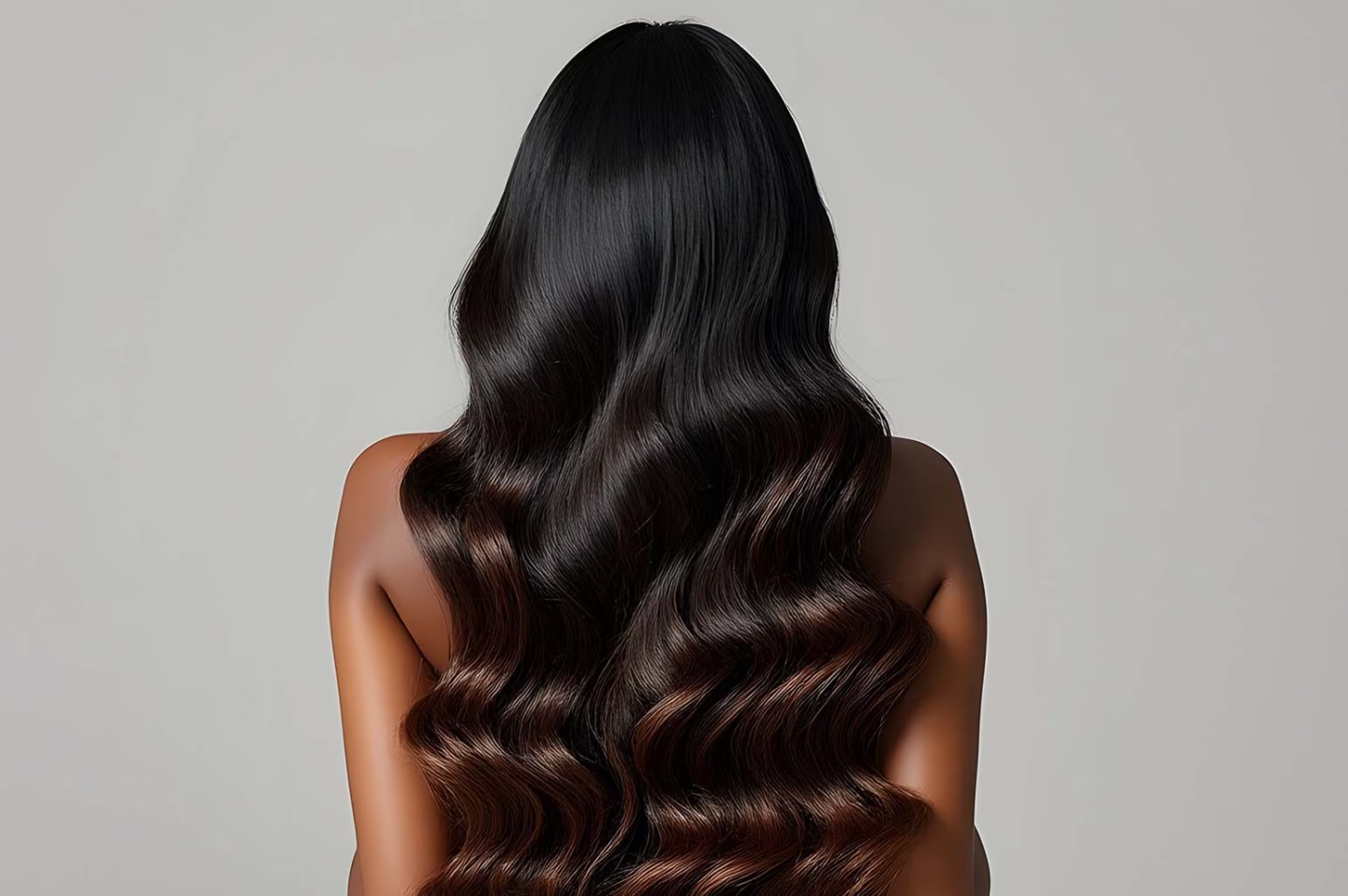
Finding the right shade of straight halo extensions can make or break your look, giving a seamless blend that enhances natural beauty. The most effective way to find the perfect shade is to compare the extensions to the mid-lengths and ends of your own hair in natural lighting for the most undetectable blend. This quick step helps avoid common mismatches and ensures that your extensions look as natural as possible.
Many brands offer a wide range of shades, but it’s important to take time matching the color, length, and texture for a flawless result. Consulting with an expert or using online color-matching tools can make the process easier and boost confidence in your choice.
Key Takeaways
- Matching extensions to mid-lengths and ends of hair is most reliable
- Natural lighting provides the best view for accurate color comparison
- Expert advice or color tools help ensure a seamless blend

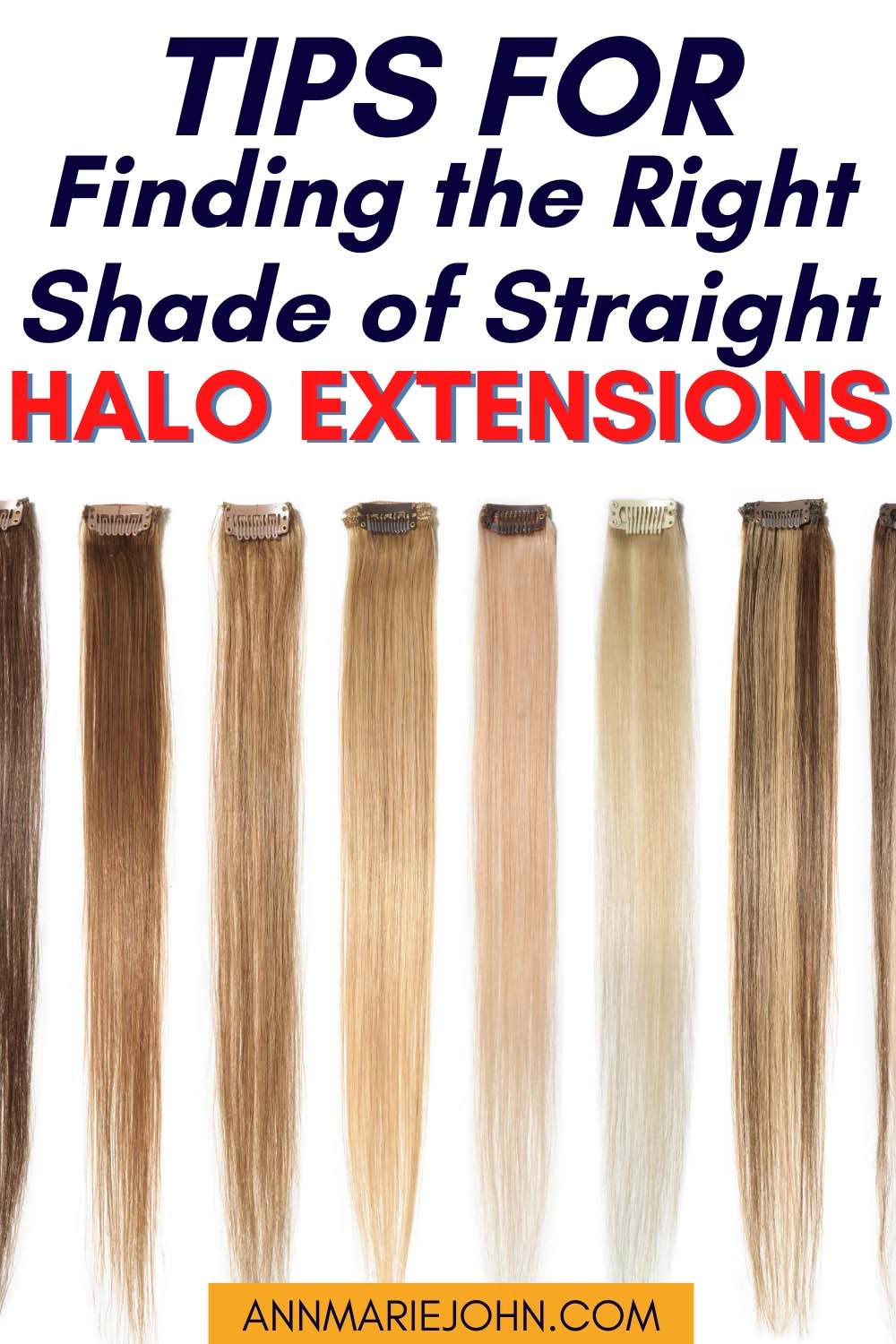
How to Find the Perfect Shade for Straight Halo Extensions
Selecting the ideal color match for straight halo hair extensions is essential for achieving a seamless, natural appearance. Effective shade matching requires looking at natural hair color, undertones, lighting considerations, and available color-matching resources.
Assessing Your Natural Hair Color and Undertones
The first priority is identifying the base color and unique undertones in natural hair. People with straight hair often have subtle ash, golden, warm, or cool tones that standard color charts may not fully show. Assess hair indoors and outdoors to see how the color changes.
For individuals considering straight halo hair extensions for sensitive scalps, accurate shade matching further reduces the risk of visible contrast, making the extensions less noticeable and more comfortable. Examine the root-to-tip color, as natural hair may be lighter or darker at different points, and compare this gradient to extension samples if possible.
Evaluating the Impact of Lighting on Color Matching
Lighting plays a critical role in how both natural hair and extensions appear. Natural daylight usually gives the truest view of both the halo extensions and your own hair, while indoor lighting can make colors appear warmer or more muted. Take photos of hair in multiple lighting conditions before making a purchase.
When checking samples, always step outside or stand near a window. Match the extension and natural hair colors in direct sunlight and in shade. Differences in yellow or blue undertones are often easier to spot with real daylight exposure, helping prevent any mismatch once the extensions are in place.
Expert Tips for Seamless Blending, Styling, and Maintenance
For a natural appearance with straight halo extensions, combining precise blending, the right styling approach, and effective care routines is essential. Paying close attention to hair length, extension texture, and proper tool usage helps ensure extensions stay undetectable and in top condition.
Achieving a Flawless Blend with Styling Tools
Using a quality straightener or curling iron matched to the natural hair’s needs helps create a seamless look. After attaching the straight halo extension, gently straighten both the natural hair and extensions together. This smooths any lines of separation and ensures the extension sits flat.
When using heat tools, applying a heat protectant is critical. Set styling tools to the recommended temperature for synthetic or human hair extensions—usually lower for synthetics. Sectioning the hair before styling allows for even blending. To further disguise the extension, smoothing serums or lightweight oils add shine without weighing hair down. For added security, lightly tease the hair at the crown or use hair spray to help halo bands stay concealed.
Adjusting Length and Texture for a Natural Look
Selecting a halo extension that closely matches the wearer’s own hair length is important for avoiding clear demarcation lines. If needed, a stylist can trim or add subtle layers to the extensions for a more believable transition. Extensions that are too long or blunt can be cut to mirror existing haircut layers.
Aligning texture is equally vital. While most straight halo extensions offer a sleek finish, natural hair may have waves or frizz. Lightly run a straightener through the natural hair, blending it with the extension for a consistent appearance. If volume mismatches occur, consider using styling products or blow-drying with a round brush for added fullness. Never overload with heavy creams, as these can weigh extensions down and cause buildup.
Maintaining and Caring for Your Halo Extensions
Proper maintenance keeps halo extensions looking healthy and prolongs their life span. Brush extensions daily using a soft-bristle brush or a wide-tooth comb, working from the ends upward to reduce tension. Always detach the halo before sleeping or washing to avoid tangling.
Wash the extensions every 10–20 wears, or as needed, with sulfate-free, gentle shampoo and cool water. Do not rub or twist; instead, pat dry with a microfiber towel. Store extensions flat, in a breathable bag, or on a hanger to preserve their shape. Limit heat styling and always use a protectant. Occasional deep conditioning adds softness and shine. Inspect the halo band and attachment areas for wear, as replacement may be needed after extended use.
In Conclusion
Choosing the right shade of straight halo extensions relies on careful comparison to the mid-lengths and ends of natural hair, using natural light for accuracy. Photos taken in different lighting and use of color rings can help refine the match.
Professionals often suggest avoiding the root area as a reference, as it typically differs from mid-shaft and ends. Virtual color matching and in-person consultations are helpful for those unsure about their shade. When selecting extensions, consider texture, undertone, and even experimenting with highlights for added depth. With attention and these tips, a seamless and natural look is within reach for most users.

