

A cordless breast pump depends heavily on battery performance during long days away. Most trouble shows up in a late meeting, a delayed flight, or school pickup, not when you still have time and a charger nearby. The sections that follow cover night and morning checks, parts and suction, midday sessions, low-battery settings, and what to do when you get home.


Cordless Breast Pump Battery Check Night Before and Morning
Finish battery planning before you leave. A pump that looks charged after dinner may not last through a full workday, especially if it sat unplugged overnight or the contacts were not seated correctly. You want to wake up knowing the pump, case, and schedule are ready.
Night Charging Check
Charge the pump before bed, not at the door. Place the pump or case on its charger and confirm the indicator shows active charging. If your pump uses a case, make sure the pump is seated correctly inside it. A case cannot help if the contacts are never connected.
Morning Battery Verification
In the morning, check the battery again before packing. If your pump connects to an app, use the app percentage rather than guessing from a small light. LED indicators are helpful, but they can hide the difference between almost full and barely enough for several sessions.
Think through the day in pumping windows, not hours away from home. An eight-hour workday with one short session is different from a travel day with three sessions, a commute, and no reliable outlet. Jot the rough schedule in your phone if the day is unusual.
Before you zip the bag, confirm three things.
• Pump charge is high enough for every planned session.
• Charging case or cable is packed if you need more than one session.
• Backup plan is clear if a meeting, delay, or commute pushes your session later.
A minute is enough.
Typical Day Planning
Plan around how many times you will pump.
| Planned sessions | Battery plan | Best backup |
| 2 sessions | Often manageable from a full charge | Pack a cable or case if the commute is long |
| 3 sessions | Plan a midday top-up if available | Use a charging case or reliable outlet window |
| 4 sessions | Do not depend on pump battery alone | Charging case strongly recommended |
Check Suction and Parts to Prevent Battery Drain
Before leaving home, check the parts that protect suction. A weak seal costs you more than milk output. It can also make the motor work harder while you sit through a longer, less productive session. If a valve is worn, a membrane is not seated, or a flange is slightly off-center, the pump may keep trying to hold vacuum while your body gets less effective stimulation.
Valve and Seal Inspection
Check the small silicone parts before a long day away. Duckbill valves, diaphragms, seals, and flanges do not have to look destroyed to cause trouble. A tiny split or stretched edge can weaken suction enough to make the session feel slow. If the pump sounds different, feels weaker, or needs a much higher setting than usual, inspect parts before blaming the battery. Stock spare valves, diaphragms, and sizing inserts from the eufy breast pump accessories, so worn parts do not drain the battery mid-session.
Flange Alignment Check
A flange that sits slightly off-center can waste battery because the pump runs while output stays low. Place the flange carefully before starting the session, then check the seal after the first minute. If suction drops or the pump feels uneven, pause and reset instead of letting the motor run through a poor fit. If pain, sizing trouble, or low output continues after routine part checks, see an IBCLC or healthcare professional instead of charging the pump again.
How Poor Fit Increases Battery Use
| Problem | Battery effect | Better move |
| Loose valve or seal | Longer session with weaker suction | Pack one clean spare set |
| Poor flange alignment | More resets and wasted motor time | Practice placement before leaving |
| Overly high suction | Faster battery drain and discomfort | Use the strongest comfortable level |
| Dirty charging contacts | Case may not recharge the pump well | Wipe dry before placing parts back |
Small parts take almost no room, which is why they get left behind. Pack a spare valve or insert anyway. A weak seal often means a second long session, and that burns more battery than the spare adds to your bag.
Plan Midday Sessions for Travel, Letdown, and Storage
On a travel day or long shift, plan midday the way you planned morning power. You have usually pumped once already. Calls run long, the lactation room is busy, and lunch can shrink by ten minutes. A pump that cannot recharge between sessions feels that squeeze first. If you are still choosing a pump for long days away from home, browse the eufy breast pumps to compare battery life and charging cases in one place.
Set Up Before Turning the Pump On
Get set up before you turn the pump on. Find the room, wash or sanitize your hands, settle your bag, and have milk storage ready. Once the motors are running, every minute counts against the battery. Warm hands, comfortable posture, or a quick look at a baby photo can help some parents settle into let-down in a room that does not feel private.
Milk Storage Preparation
Milk storage should be ready before the session ends. The CDC recommends storing expressed milk in clean containers and cooling it as soon as a refrigerator or cooler with ice packs is available. Open the storage bag or bottle, check the cap, and keep the cooler within reach. If you have to dig through your tote after pumping, the milk sits out longer, and the reset takes more time.
Keep the Session Efficient
For longer days, keep the midday routine the same as at home:
• Set up first, so the pump is not running while you look for parts.
• Use a familiar mode instead of experimenting in a shared space.
• Store milk right away in the cooler or refrigerator available to you.
• Keep clean and used parts separate, so the next session starts faster.
Manage Low Battery Without Hurting Comfort
By late afternoon, battery is usually the worry. The warning light is a bad time to test new suction settings. Many parents turn suction up to finish faster, but stronger suction does not always mean better removal, and discomfort can slow let-down. Stop if you feel sharp pain, bruising, or skin damage. A low charge is not a reason to crank suction or sit through pain.
Use Comfortable Suction Instead of Maximum Power
If the battery drops during an afternoon session, stay with a setting that feels comfortable and familiar. Shorten the session only if you need to preserve power for a later one. If your pump offers modes, use the one that usually works for your body rather than chasing the highest number on the screen.
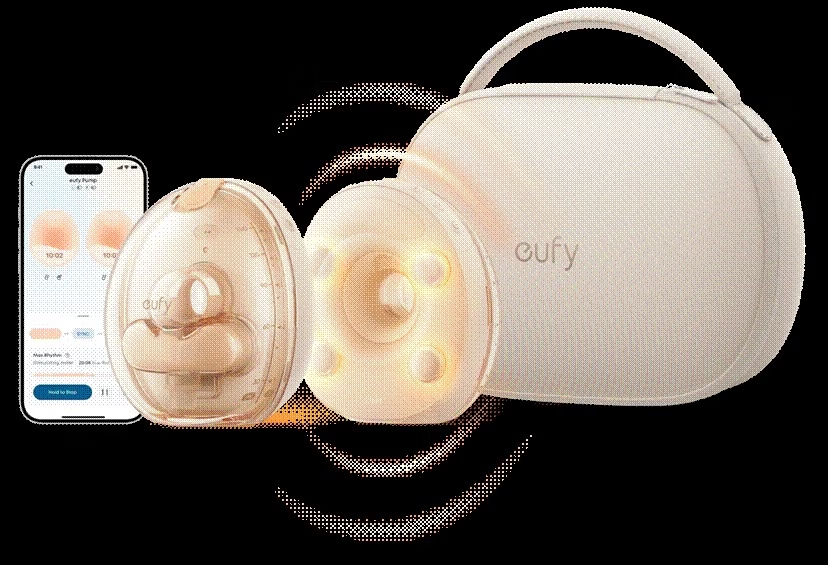
If you pump three or four times before you get home, a full morning charge often runs short. A charging case in your commute bag tops up the pump after each session without hunting for an outlet. The eufy Wearable Breast Pump S2 Pro includes a case rated for up to seven days when you run about three 20-minute sessions per day without heat or massage; longer runs or those features shorten the buffer. After each session, seat the unit in the case inside your commute bag to top up between breaks, so the next session is less likely to start on a warning. HeatFlow™ 2.0 warmth and VibraPump™ massage can support let-down at your usual suction setting rather than pushing suction higher, but both draw extra power. Use them after a case top-up or on your last session of the day, not when the battery is already low and you still have another session ahead.

Avoid Wasting Battery During Setup
Do not leave the pump running while you adjust clothing, search for bags, or answer a message. Pause if you need to reset placement. If the pump has app controls, set the mode before starting instead of spending the first few minutes tapping through options.
Save Power for Later Sessions
When the charge is low:
• Keep comfort and seal steady.
• Finish the current session without panic changes.
• Save enough power for the next required session if the day is not over.
Rushing the session often burns more power than it saves.
Use a Charging Case and Plan End of Day Reset
You have probably been dropping the pump into the charging case between sessions. After the last pump, finish the reset before dinner gets in the way:
• Put milk in the fridge or cooler first.
• Wash milk-contact parts according to the pump manual and let them air dry before bagging.
• Wipe hub contacts if milk residue or bag dust has collected nearby.
• Put the pump or case on its charger before bed.
That reset gets skipped a lot. The bag stays on the counter through dinner, and by morning the case is only half charged or a part is still wet.
That reset covers the next workday. If the pump will sit unused for several weeks, check the manufacturer’s storage guidance before you put it away. Most brands recommend keeping some charge in the battery, since the FDA advises against leaving lithium-ion batteries fully discharged for long periods.
Conclusion
Good battery planning is mostly about sequence, not packing every backup. Charge before bed, check power in the morning, replace worn parts, keep suction comfortable when the charge drops, and reset the case when you get home. Long days still go sideways. The pump does not have to.
Always consult an IBCLC or healthcare professional for personalized guidance on pumping or breast health.

