

Medical alert systems are crucial for seniors who want reassurance that support is available 24/7, whether they’re home alone or out and about. These systems connect users to a professional monitoring center, providing fast responses during medical incidents, slips, or other emergencies. Choosing the right system is a vital step in maintaining a safe yet independent lifestyle.
Many older adults look for reliable ways to maintain their independence while staying safe as age-related health and mobility challenges become more common. Searching for a life alert solution is often one of the first steps families take when exploring emergency preparedness options. Modern medical alert devices provide fast access to assistance at the press of a button, helping seniors live more confidently while offering loved ones added reassurance that support is always within reach.
This comprehensive guide explores the defining features, leading options, and factors to weigh when selecting a system designed for senior safety. As technology evolves and new products emerge, understanding what matters is key to making smart, confident decisions.
What Are Medical Alert Systems?
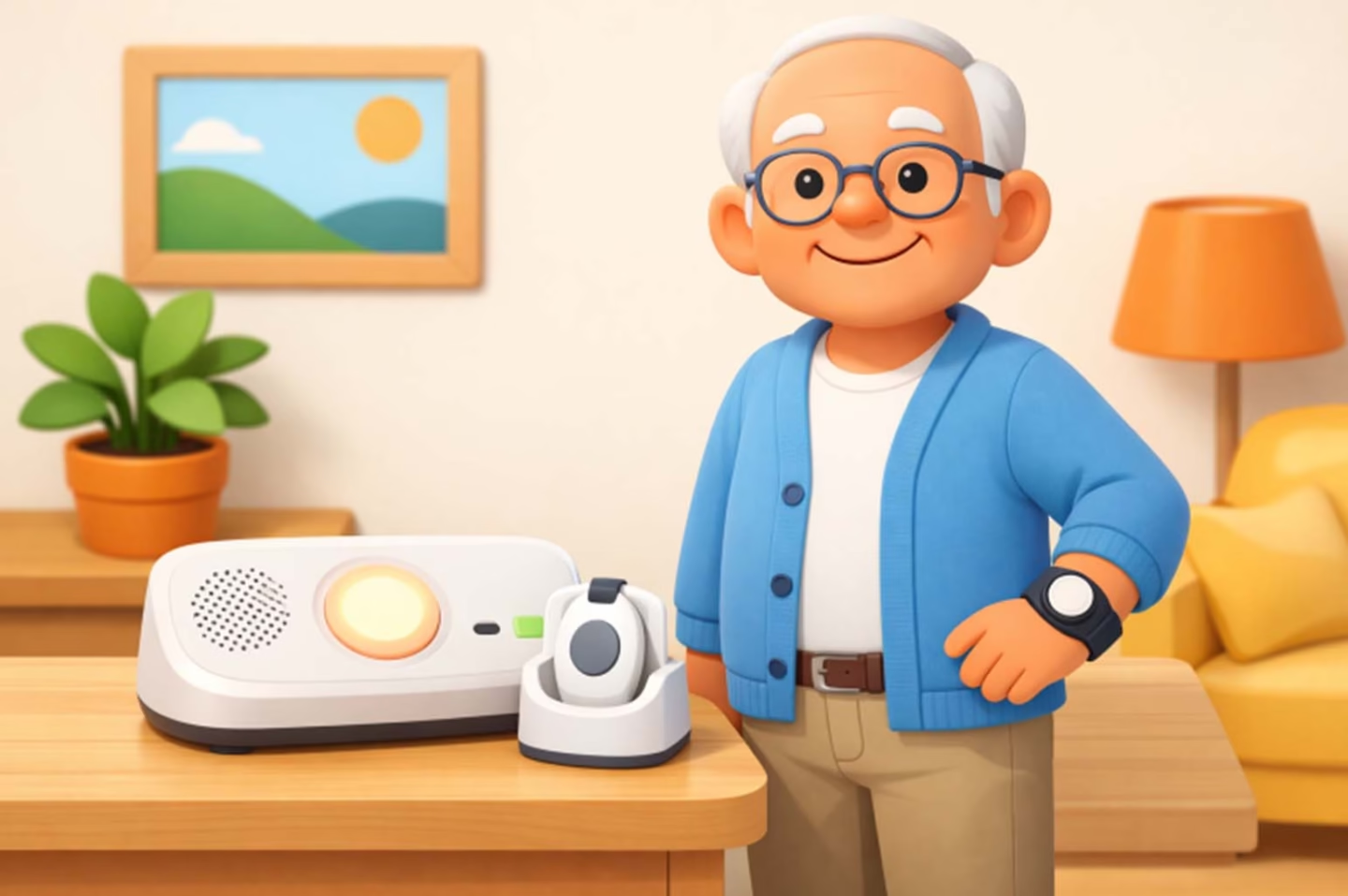
Medical alert systems, sometimes called personal emergency response systems, are devices specifically designed to help seniors get urgent assistance at the press of a button. Typical systems include a wearable operator (such as a pendant or wristband) paired with a home base station or a mobile unit. When activated, they connect users with trained professionals who can assess the situation, contact emergency services, or quickly notify designated family members or caregivers.
These systems provide an invaluable link to help, whether someone has fallen, experienced a medical episode, or simply feels unsafe. For those living alone or with health conditions, the reassurance of quick assistance reduces anxiety and can make independent living more feasible.

Key Features to Consider
When selecting a medical alert system, it’s important to match its features to the user’s daily routines and specific needs. The right combination balances convenience, reliability, and protection in critical moments. Noteworthy features include:
- Automatic Fall Detection: This vital functionality senses sudden movements or drops and automatically notifies the monitoring center, even if the user cannot press the button due to injury or unconsciousness.
- GPS Tracking: For seniors who are active or frequently outside the home, GPS capabilities are essential. They allow responders and loved ones to pinpoint a user’s location in an emergency, offering peace of mind for seniors and caregivers alike.
- Two-Way Communication: Integrated microphones and speakers enable direct communication between the user and professionals at the monitoring center, ensuring clear instructions, support, and updates during stressful situations.
- Waterproof Design: Since many falls occur in bathrooms or kitchens, a waterproof wearable means the device can be used confidently anywhere, even in the shower.
Top-Rated Medical Alert Systems
Quality and trust are critical when evaluating medical alert solutions. Two systems stand out for their positive reputations and innovative designs:
- ADT Medical Alert: Recognized by U.S. News and World Report as the Best In-Home System for 2026, ADT’s offering excels with built-in home temperature monitoring and outstanding performance in reliable, home-based monitoring.
- Bay Alarm Medical: Praised by Medical Alert Buyers Guide as the Best Medical Alert System for 2026, Bay Alarm Medical is recognized for its cost-effective in-home alerting, mobile devices equipped with GPS, and dependable fall detection technology.
Cost Considerations
Monthly costs for medical alert systems generally range from $20 to $30, with a few premium models exceeding this due to extra features or more advanced technology. When comparing options, factor in the system’s included services, the monitoring center’s reputation, and how customer support is handled. Some plans require no long-term contracts, which can be helpful for flexibility. It’s also worth checking whether your health insurance or Medicare Advantage plan covers or reimburses these devices.
Choosing the Right System
Finding the ideal medical alert system involves understanding one’s lifestyle, particular health concerns, and level of tech comfort. Consider the following steps as you narrow down your search:
- Review Daily Routines: Determine whether the user is mostly homebound or enjoys outdoor activities. System portability and GPS are more important for people frequently on the move.
- Health-Specific Needs: Seniors with chronic conditions such as heart disease or diabetes, or a history of falls, should prioritize advanced features such as fall detection, health monitoring, and medication reminders.
- Usability: Hands-on testing helps ensure the device is easy to operate, crucial for older adults who are less comfortable with technology or have limited dexterity.
- Contract and Service Terms: Read service agreements closely, aiming for plans without punitive cancellation terms or hidden fees. Flexibility is particularly important if the user’s situation is likely to change over time.
Conclusion
Medical alert systems offer seniors and their families invaluable peace of mind, serving as both a safeguard against emergencies and a confidence booster for independent living. By focusing on the core features, considering reputable brands, and evaluating personal needs, choosing the right device becomes a straightforward, empowering process. The investment in a high-quality alert system is an investment in safety, reassurance, and continued autonomy for seniors.

