

Discover the best petrol chainsaw for tree cutting that balances power, safety, and performance for all your outdoor projects.

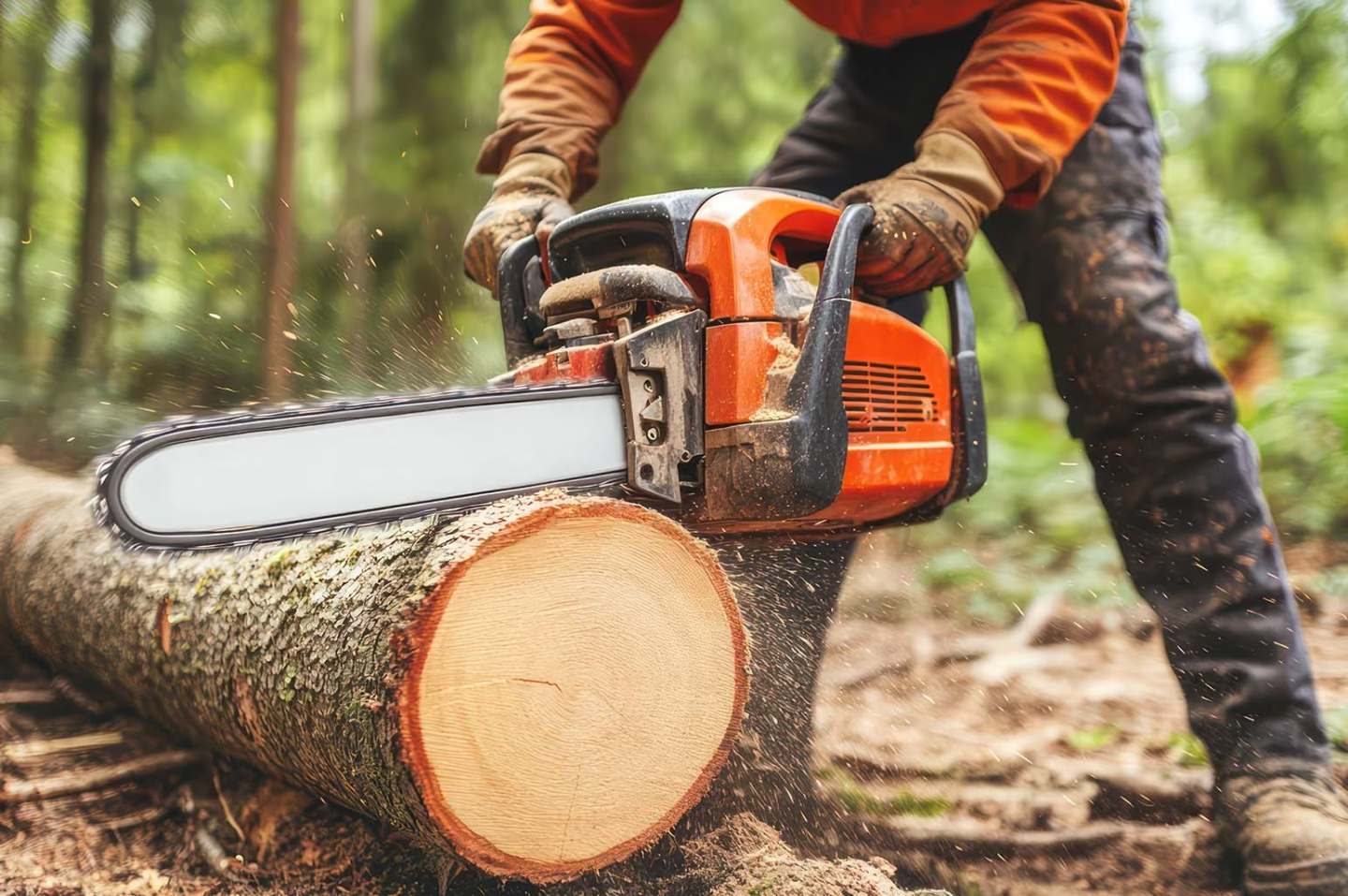
Choosing the right tool for felling or trimming large trees requires more than just picking a powerful machine. The best petrol chainsaw for heavy-duty tree cutting balances engine strength, bar length, safety features, and strength to handle demanding tasks with power.
If you live in wide outdoor areas, petrol chainsaws in AU or from other countries are especially valued for tackling thick trees and remote jobs. Such tools are widely used in both professional forestry and on large properties where consistent cutting power is important.
A well-matched chainsaw ensures safer operation, less strain, and faster results. Factors such as engine size, chain quality, and build materials directly impact performance, especially when tackling hardwoods or thick trunks. By focusing on these essentials, anyone can select a chainsaw that works reliably without overspending on features that may not be needed.
The right choice also includes considering trusted models and accessories that improve both precision and safety. From bar oil systems to vibration control, these details add up to a more effective and long-lasting tool. Understanding these elements up front helps avoid common mistakes and ensures the chainsaw performs as expected in tough conditions.
Key Takeaways
- Choosing the right chainsaw depends on power, bar length, and durability
- Proper selection improves safety, efficiency, and cutting results
- Accessories and trusted models enhance performance for tough jobs

Key Criteria for Choosing the Best Petrol Chainsaw for Heavy-Duty Tree Cutting
Selecting the best petrol chainsaw for demanding tree work requires attention to engine performance, cutting capability, and operator safety. Each factor directly affects how efficiently the tool handles large trees, dense wood, and extended use.
Engine Size and Type
Engine size, measured in cubic centimeters (cc), determines how much power a petrol chainsaw can deliver. For heavy-duty cutting, engines typically range from 50cc to 80cc. A larger cc engine provides higher torque, making it easier to cut through thick trunks without stalling.
Most petrol chainsaws use a two-stroke engine, which balances power with weight. Two-stroke designs are preferred because they deliver strong output while remaining relatively compact. However, they require a proper fuel-oil mix for lubrication.
When comparing models, users should consider both engine size and weight. A 70cc saw may provide excellent cutting force, but it can also be heavier and more tiring to operate. Professionals often prioritize raw power, while landowners may prefer a slightly smaller engine for better control and reduced fatigue.
Bar Length and Chain Speed
Bar length directly influences the size of trees a chainsaw can handle. For heavy-duty tree cutting, a 20–28 inch bar is common, with longer bars suited for very large trunks. A longer bar allows deeper cuts but increases weight and requires more skill to control safely.
Chain speed, measured in meters per second (m/s), affects how quickly the saw slices through wood. A higher chain speed improves cutting efficiency, especially in hardwoods. However, speed alone is not enough; it must be paired with adequate engine power to maintain performance under load.
Users should also check for easy chain tension adjustment and an automatic oiling system. These features reduce downtime and help maintain chain sharpness and lubrication, ensuring smoother cuts during long sessions.
Safety Features and Ergonomics
Safety features are critical on any petrol chainsaw. A chain brake is essential, stopping the chain instantly if kickback occurs. Modern saws often include anti-vibration systems, which reduce strain on the user’s hands and arms during extended cutting.
Ergonomics also play a major role in usability. Weight distribution, handle design, and grip comfort affect how easily the saw can be maneuvered. A well-balanced chainsaw reduces fatigue and improves control, especially when cutting at different angles.
Top Models and Essential Accessories for Heavy-Duty Tree Cutting
Selecting the right petrol chainsaw requires attention to power, durability, and safety. Reliable models, proper protective gear, and consistent maintenance ensure efficient cutting of large trees while reducing risks and extending tool lifespan.
Protective Gear and Safety Equipment
Using a heavy-duty chainsaw without proper protection increases the risk of injury. Essential protective gear includes a helmet with a face shield, safety glasses, and ear protection to guard against flying debris and prolonged noise exposure.
Chainsaw chaps or pants are highly recommended, as they contain cut-resistant fibers that can prevent severe leg injuries. Steel-toed boots with non-slip soles provide stability on uneven ground and protect feet from falling logs.
Gloves with good grip and vibration reduction improve control while reducing fatigue during long cutting sessions. A high-visibility jacket or vest is also useful when working in wooded areas or near other people, ensuring clear visibility at all times. Carrying a small first aid kit nearby adds another layer of preparedness. Even with proper precautions, accidents can occur, and quick access to medical supplies can make a difference.
Maintenance and Longevity Tips
Regular maintenance keeps a gas chainsaw running efficiently and extends its lifespan. Cleaning the air filter after each use prevents dust and sawdust from clogging the engine. Sharpening the chain frequently ensures smooth cutting and reduces strain on the motor.
Proper bar oiling is essential to prevent overheating and wear. Users should check the oil reservoir before each session and use the manufacturer-recommended oil type. A dry chain not only cuts poorly but also risks permanent damage to the bar.
In Conclusion
Choosing the best petrol chainsaw for heavy-duty cutting depends on matching engine power, bar length, and safety features to the intended workload. A well-balanced saw provides both efficiency and user control, reducing fatigue during demanding tasks. By focusing on key factors—power output, durability, safety, and comfort—users can select a chainsaw that meets their needs effectively. A careful evaluation of these elements ensures safer operation and better results in professional or large-scale cutting jobs.

